
Field hockey in Kenya has one of the deeper histories in African hockey. The sport is not a mass spectator game in the same way as football, athletics, or rugby, but it has a serious competitive tradition. Kenya’s story is strongest in Nairobi, where clubs, schools, national teams, and the Kenya Hockey Union have kept the game active across generations. The country also has a real international legacy: Kenya appeared at every Olympic men’s hockey tournament from 1956 through 1972, then returned in 1984 and 1988. Its best Olympic finish was sixth in 1964.
Kenya’s Olympic and International Hockey Legacy
Kenya’s field hockey history is unusually important because it connects the country to one of the sport’s older international eras. The men’s national team was once among the most respected teams outside Europe and Asia. Kenya’s fourth-place finish at the 1971 Men’s Hockey World Cup remains one of the strongest achievements by an African side in global field hockey history.
That older period matters because it gives Kenyan hockey a legacy that is bigger than its current visibility. The country produced players who were known across the sport, including Avtar Singh Sohal, who captained Kenya at the 1964, 1968, and 1972 Olympics. FIH has highlighted Sohal as one of the defining figures of Kenya’s golden period.
Kenya’s challenge has been turning that historic strength into a modern system that can compete consistently with South Africa, Egypt, Nigeria, and Ghana. The national teams remain part of African competition, but the gap between Kenya’s past and present is one of the central themes of the sport in the country.
Nairobi Clubs and the Domestic Hockey Scene
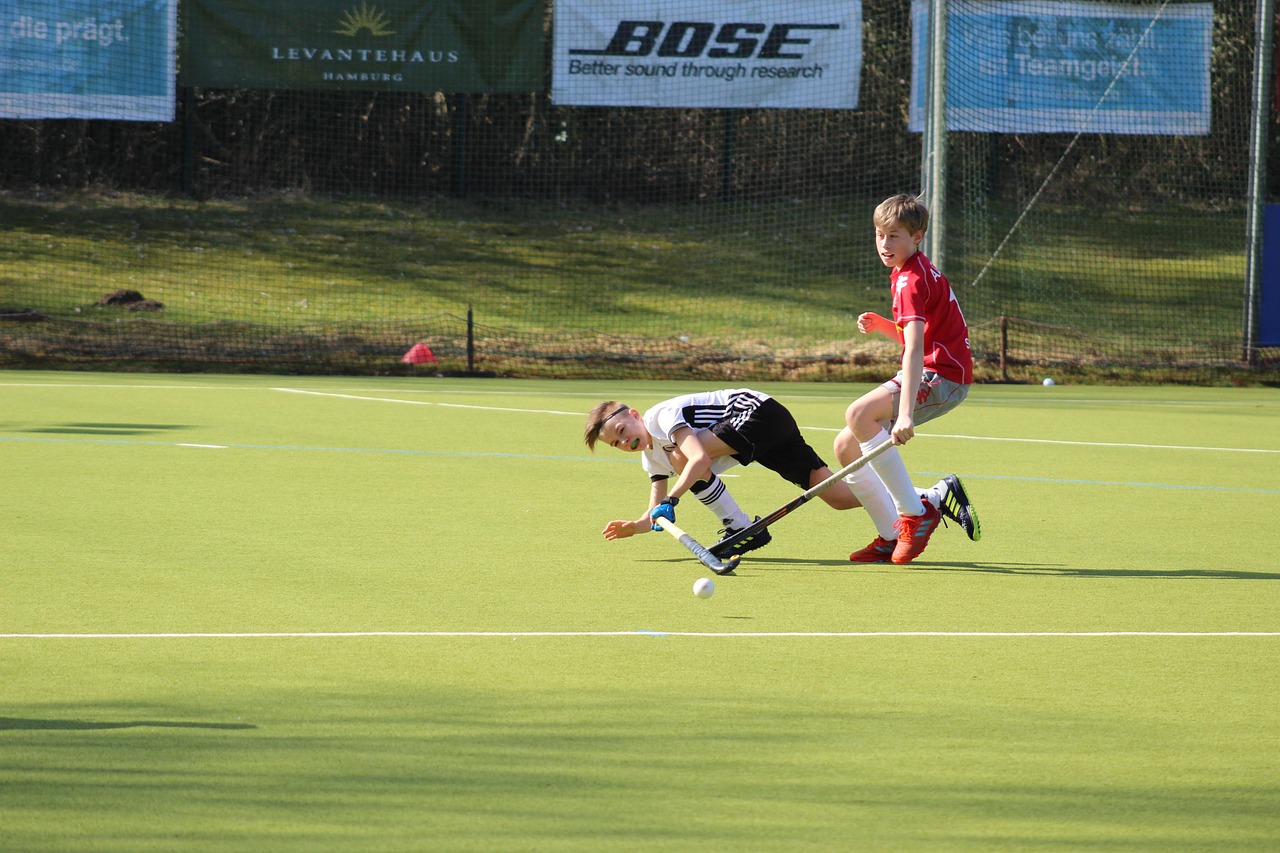
Field hockey in Kenya is centered heavily on Nairobi. The Kenya Hockey Union is the national governing body, and FIH lists its address in Nairobi. The union’s own site includes national hockey administration, county associations, technical education, and hockey development information, showing how formal organization remains important to the sport’s survival.
Kenya’s domestic game is built around clubs, school links, and national league competition. Nairobi clubs such as Wazalendo Hockey Club help show how the sport functions at the community level, with club identity, training, local competition, and links to the Kenya Hockey Union and Nairobi Hockey Association.
The women’s game also has a visible club structure. Blazers Hockey Club, for example, describes itself as a multiple Kenya Hockey Union Women’s Premier League champion and a nine-time Africa Cup of Club Championship gold medalist.
Youth Development and the Road Back
Kenya’s long-term field hockey future depends on coaching, officiating, school participation, and the ability to move players from local clubs into higher competition. Recent FIH Academy activity in Nairobi, including foundation-level officiating and coaching courses organized with Kenyan hockey bodies, points to the practical work needed to rebuild the sport.
The most important question for Kenyan field hockey is not whether the sport has history. It clearly does. The question is whether Kenya can turn club loyalty, school participation, and technical education into a stronger modern pipeline. If Nairobi remains the center, the next step is widening access beyond a small number of established clubs and ensuring both men’s and women’s programs have regular, competitive pathways.
Kenya’s field hockey identity is therefore built on contrast: a proud Olympic past, an active domestic scene, and a development challenge that still defines the sport today.


Interested in Sports in Kenya?
American Football in Kenya | Baseball in Kenya | Basketball in Kenya | Cricket in Kenya | Football (Soccer) in Kenya | Rugby in Kenya