Beyond the NHL
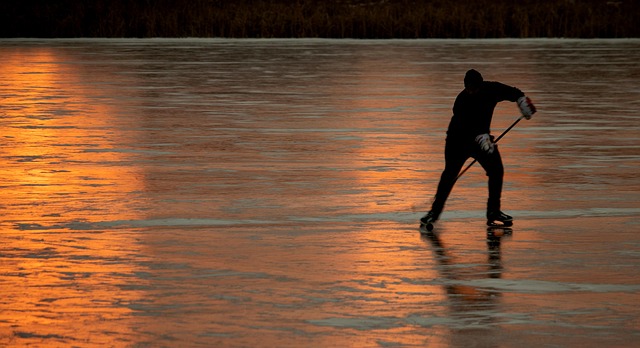
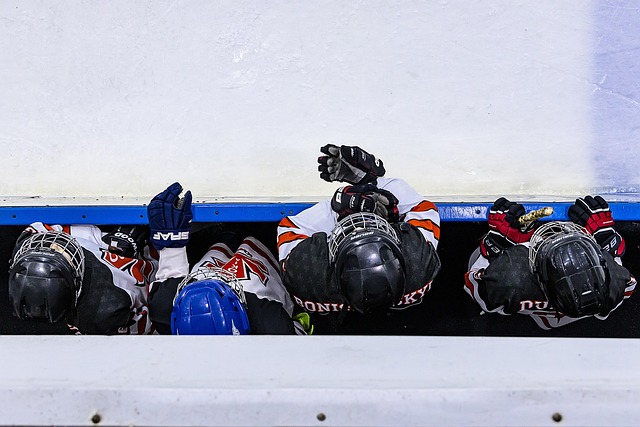
Hockey thrives in countless parks, clubs, and leagues worldwide, where passion, community, and love for the game drive players and fans alike.
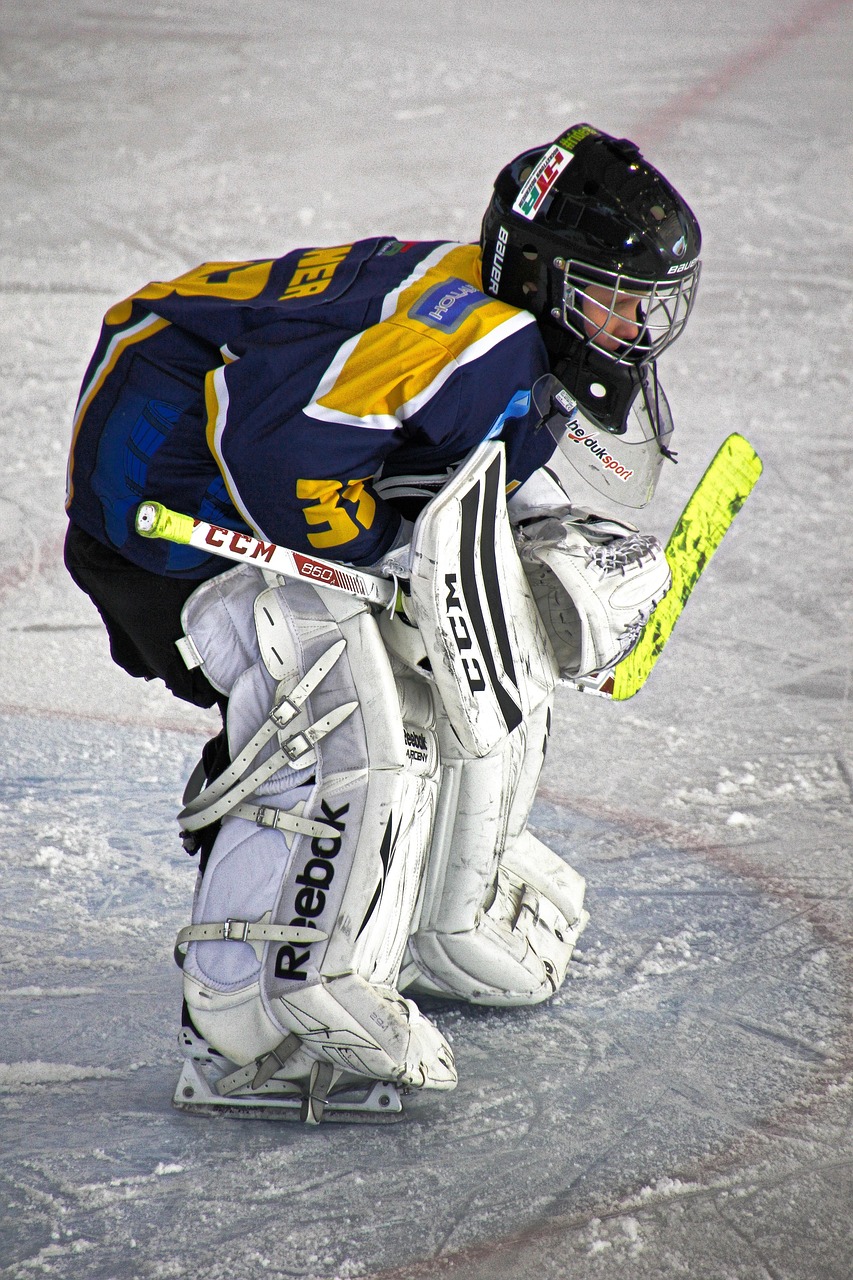
The NHL is the most famous professional ice hockey league in the world, but it is only one part of a much larger hockey system. Across ice hockey and field hockey, the sport is built through colleges, minor leagues, international competitions, women’s leagues, local clubs, and national programs. These levels matter because they develop players, build communities, and keep hockey connected to many different countries.
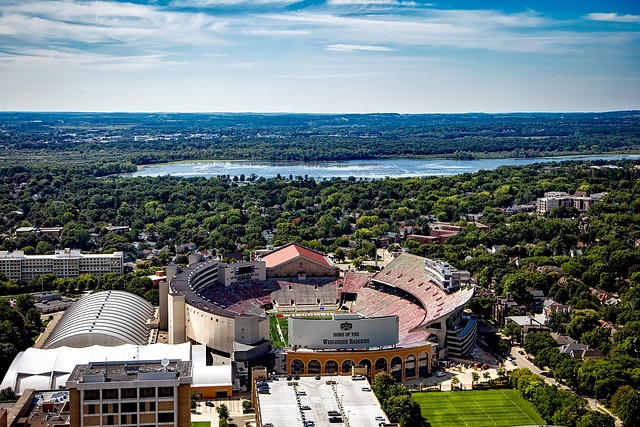
College hockey is especially important in the United States and Canada. In the U.S., NCAA ice hockey gives young players a route to high-level competition while they also study. Many NHL players have come through college programs, but college hockey is also important on its own. Schools in states such as Minnesota, Michigan, Massachusetts, North Dakota, and New York have strong hockey traditions. The Frozen Four, the final stage of the NCAA men’s tournament, is one of the biggest events in American college hockey.
Minor league hockey also plays a major role. In North America, leagues such as the American Hockey League and the ECHL give players a chance to develop before reaching the NHL. These leagues are also important for smaller cities that may not have a major professional team. Fans in places like Hershey, Grand Rapids, Toledo, and Fort Wayne have built strong local hockey cultures around minor league clubs.
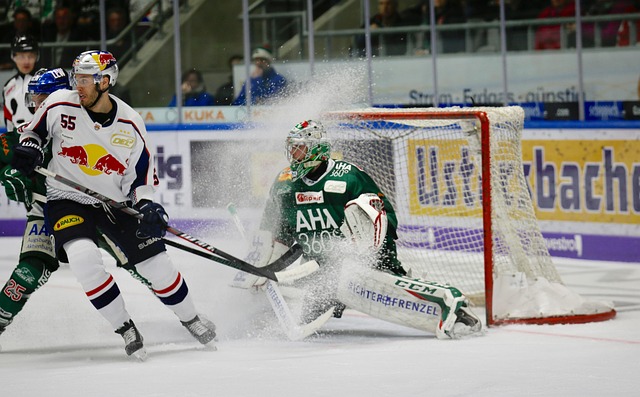
International leagues show that top hockey is not limited to North America. Countries such as Sweden, Finland, Switzerland, Czechia, Germany, and Slovakia have important domestic leagues. The Kontinental Hockey League has also been a major part of the Eurasian hockey landscape. These leagues produce elite players and give national teams a strong foundation.
Olympic hockey brings the sport into a different kind of spotlight. Men’s and women’s ice hockey at the Winter Olympics can turn national rivalries into global events. Canada, the United States, Sweden, Finland, Czechia, and Russia have all shaped Olympic ice hockey history. Women’s Olympic hockey has been especially important for the growth of the women’s game, with Canada and the United States often setting the standard.
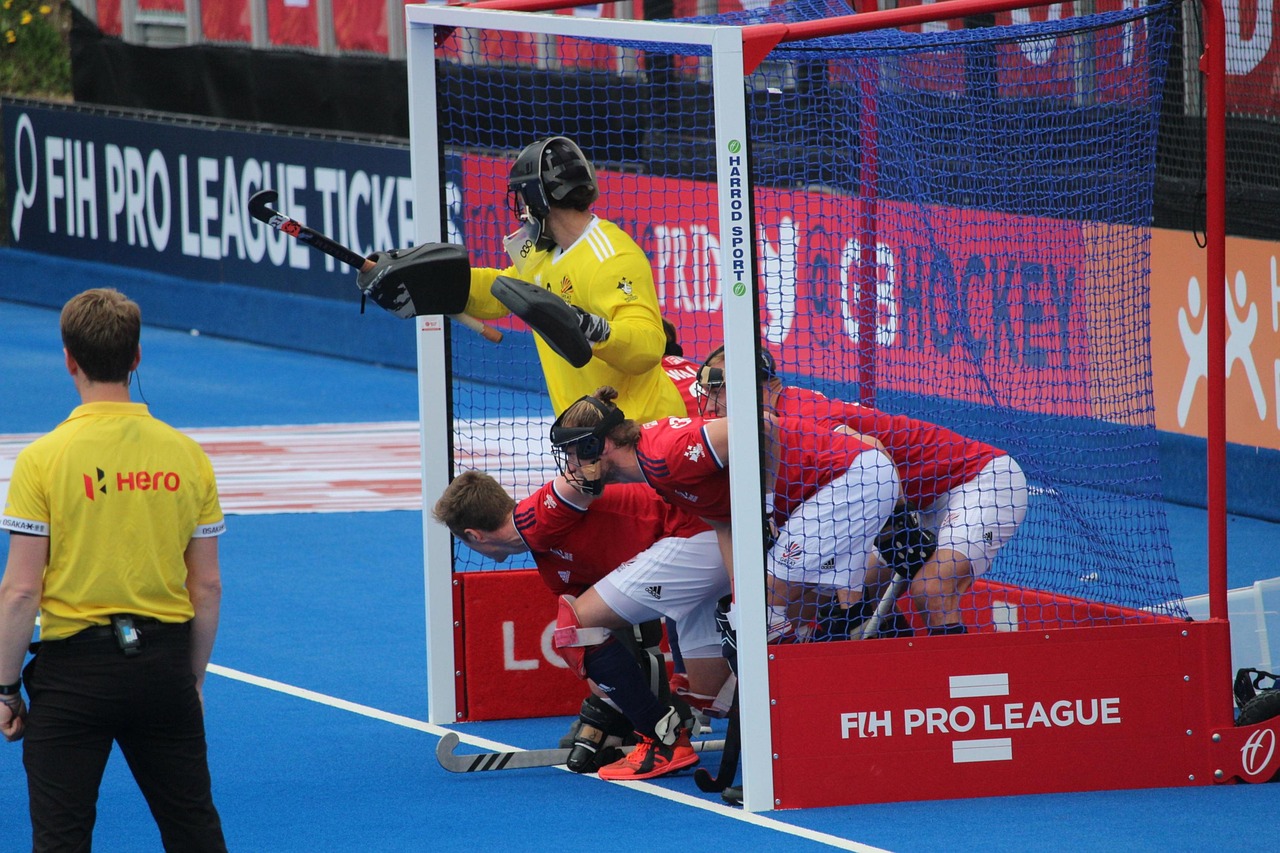
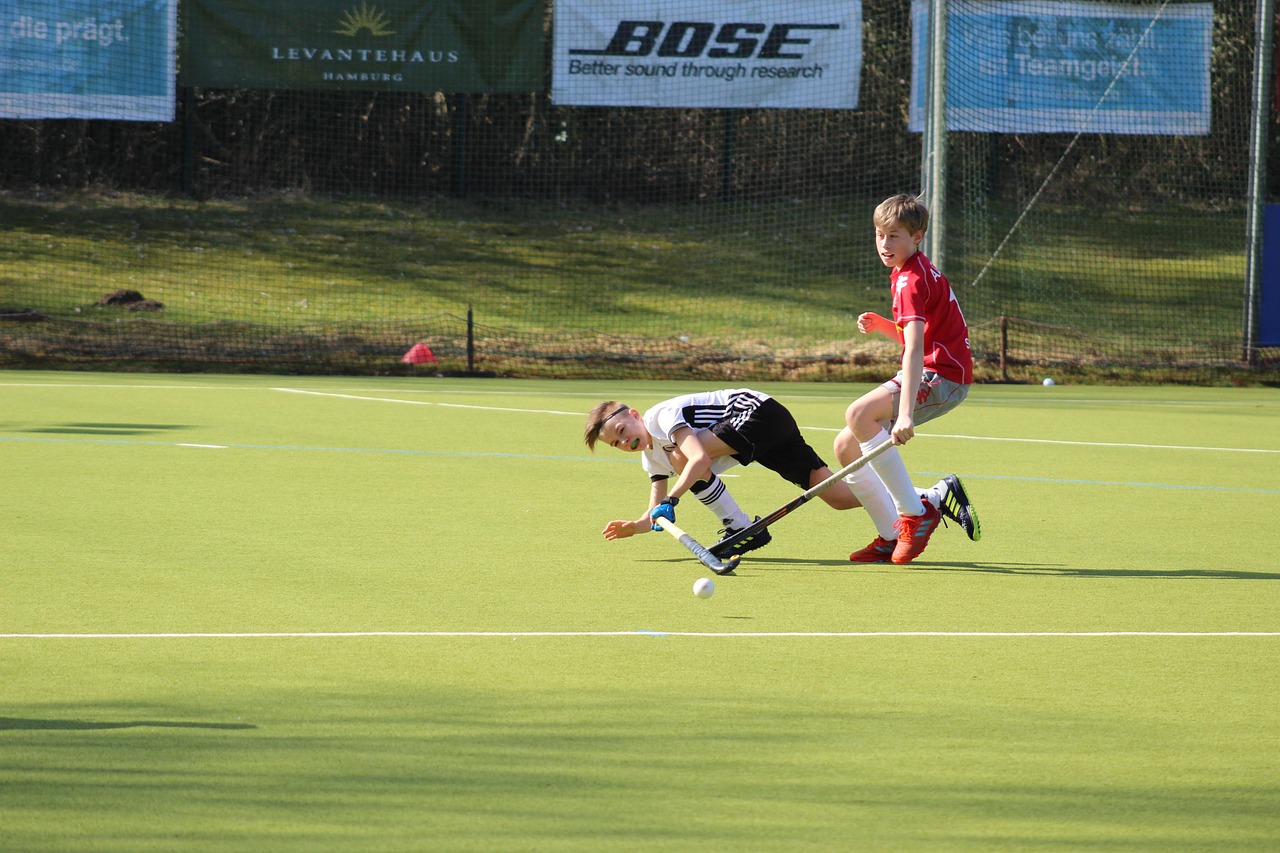
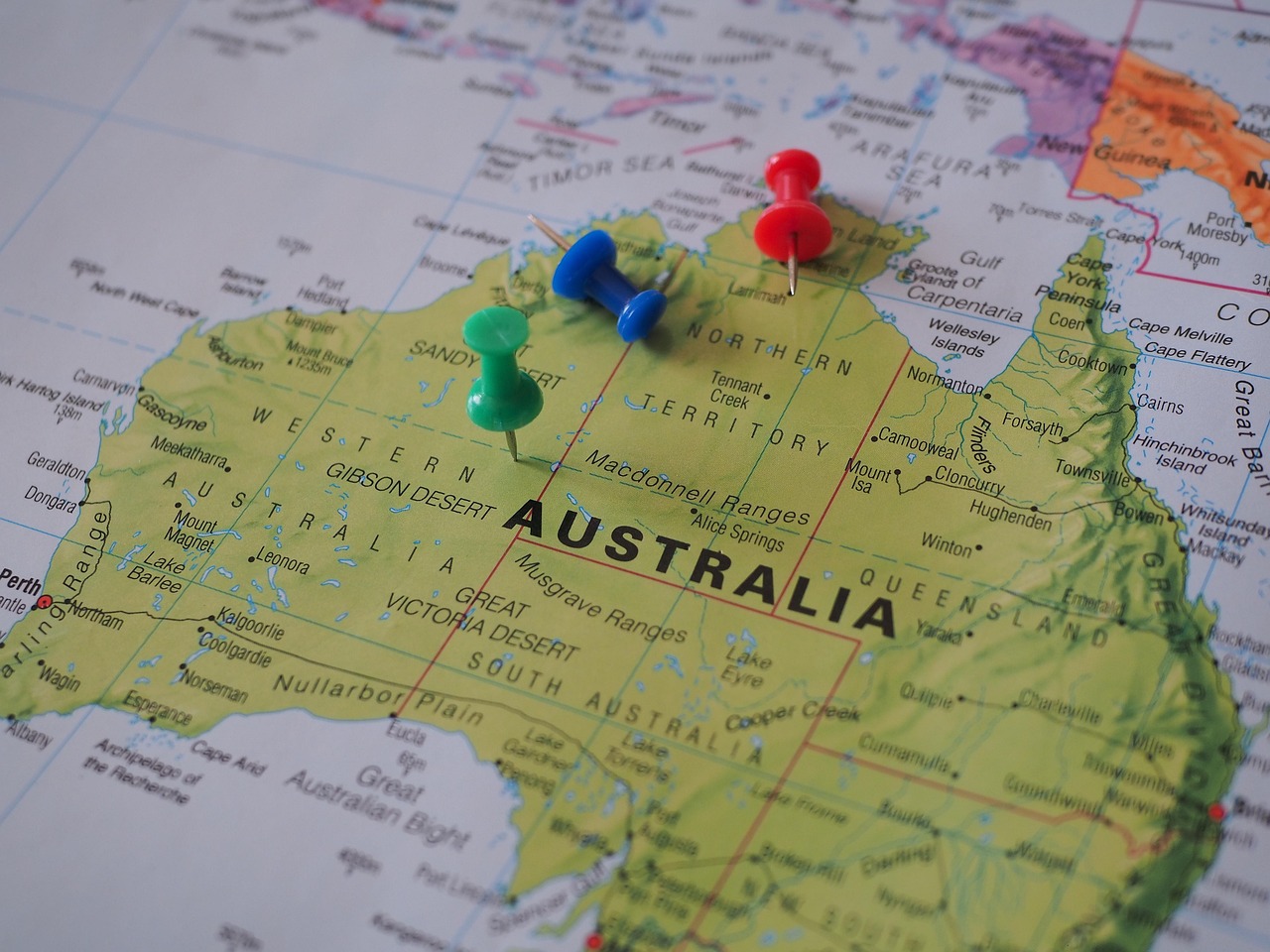
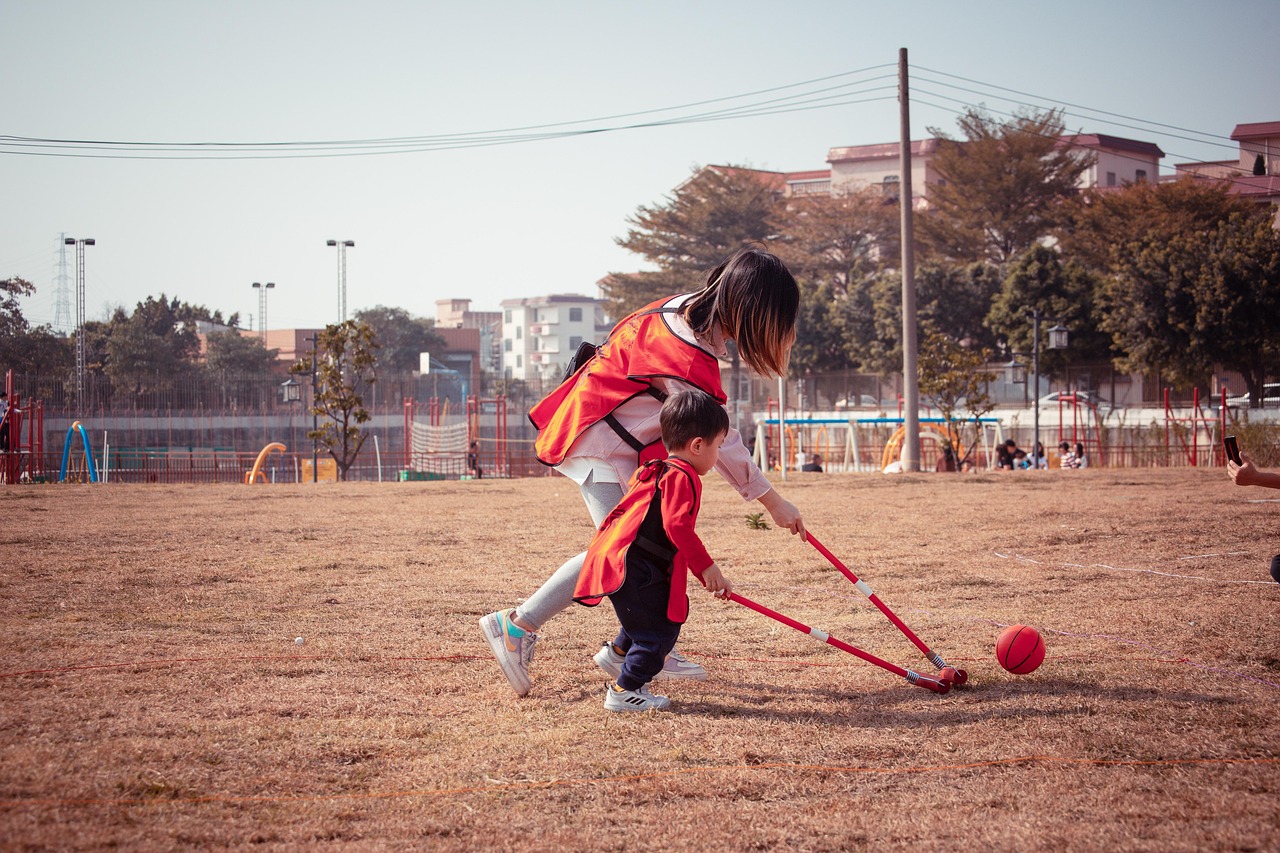
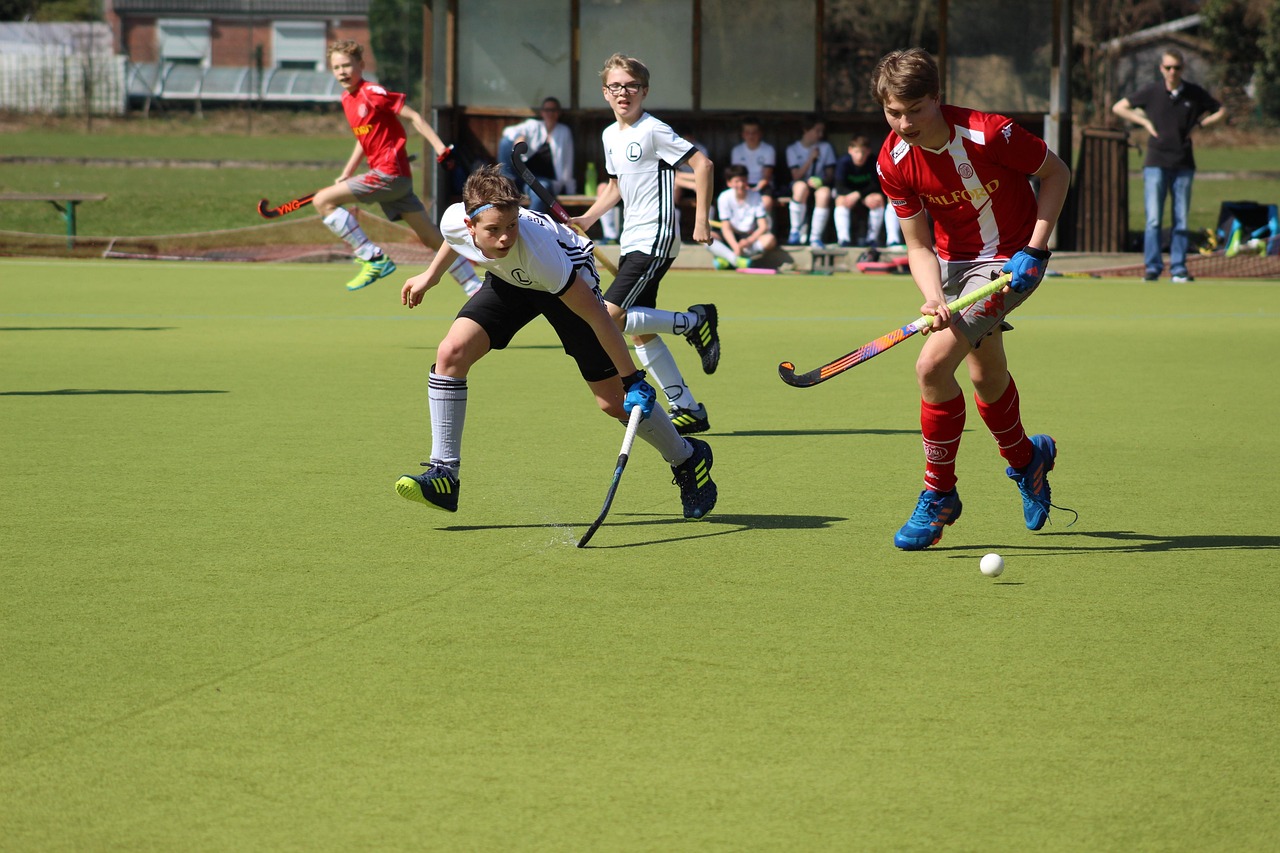
Field hockey follows a different global map. It is played on turf, not ice, and is especially strong in countries such as India, Pakistan, the Netherlands, Germany, Australia, Argentina, Belgium, and Great Britain. Olympic field hockey has a long history and remains one of the sport’s biggest stages.
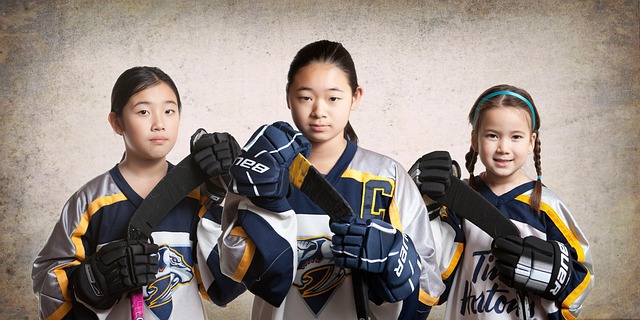
Women’s hockey also includes both ice hockey and field hockey. Women’s ice hockey has grown through college programs, national teams, and professional leagues. Women’s field hockey has deep roots in schools, clubs, and international tournaments. Together, these levels show that hockey is not just one league or one version of the game. It is a worldwide sporting culture with many paths to the top.