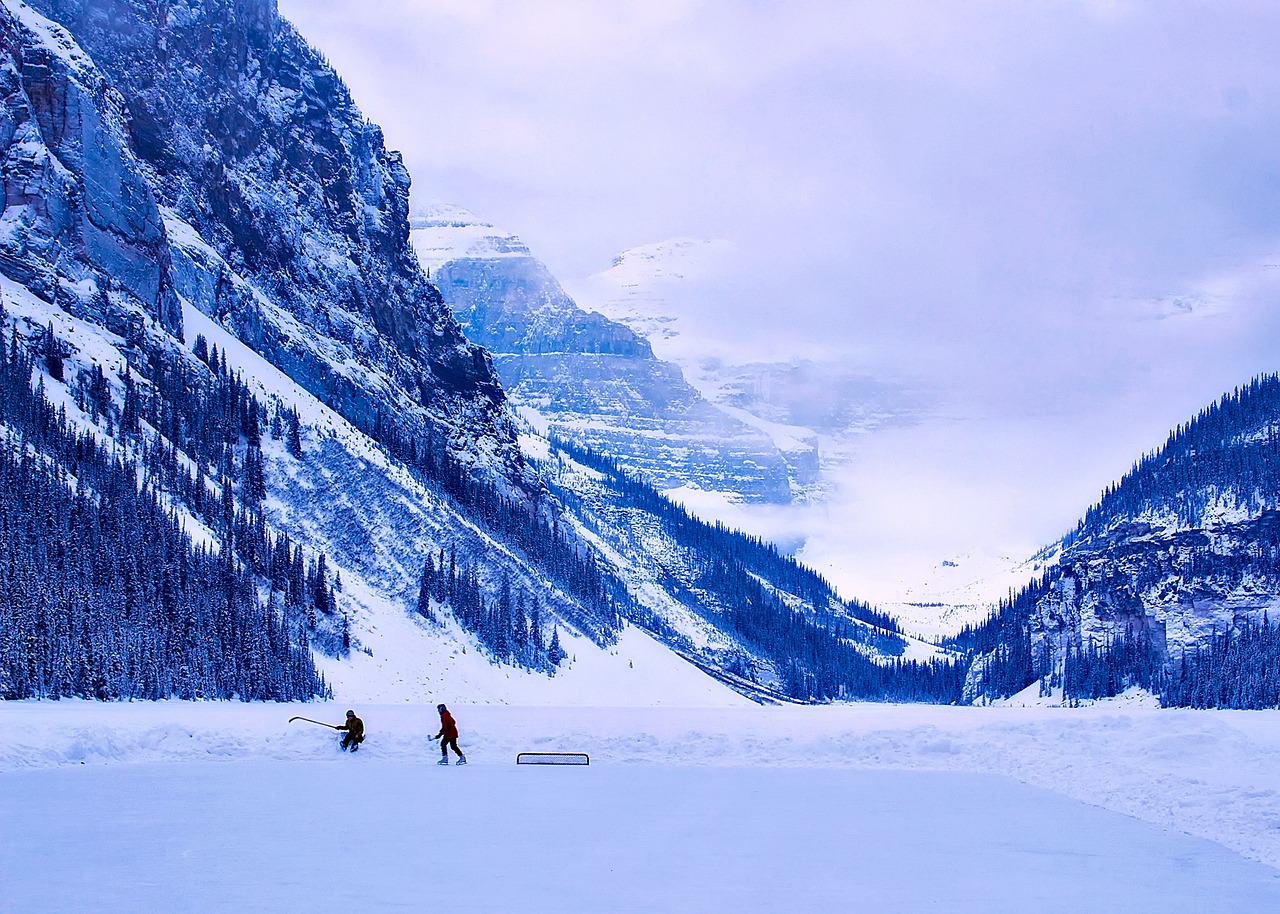
Outdoor Games and Hockey Nostalgia Theater work because hockey has always had a powerful relationship with memory. The sport sells speed, skill, and collision, but it also sells frozen ponds, childhood skates, wool sweaters, breath in the cold, and the idea that the professional game is still connected to something older and simpler. The NHL’s outdoor games — the Heritage Classic, Winter Classic, and Stadium Series — turned that feeling into a major event format. The ice is still regulation. The game still counts. But the setting changes the emotional frame. A regular-season matchup becomes a public ritual, staged for tens of thousands of fans willing to sit in winter weather because the discomfort is part of the story.
How Outdoor Hockey Became a Modern NHL Stage
Outdoor hockey did not begin as a marketing invention. It began as the sport’s natural condition. Before indoor arenas became the professional standard, hockey’s oldest image was simple: ice under open sky. That is why the NHL’s outdoor games feel both manufactured and authentic at the same time. The league is clearly staging a spectacle, but it is staging one around a real memory embedded in the sport.
The modern NHL version began taking shape before the Winter Classic became the famous brand. The 2003 Heritage Classic between the Edmonton Oilers and Montreal Canadiens was the league’s first regular-season outdoor game, played at Commonwealth Stadium in Edmonton. That game mattered because it proved the concept could work at NHL scale: a real game, in a huge football venue, presented as both competition and cultural event. The league’s own outdoor-game records list the Heritage Classic as the starting point for its modern outdoor era.
The Winter Classic then gave the idea a repeatable American television identity. Beginning in 2008 with the Pittsburgh Penguins and Buffalo Sabres at Ralph Wilson Stadium, the Winter Classic attached outdoor hockey to New Year’s Day, retro uniforms, national broadcasts, and an annual sense of appointment viewing. The event did not simply ask fans to watch a hockey game. It asked them to participate in a winter postcard.
The Stadium Series pushed the concept in a slightly different direction. Where the Winter Classic leans into sepia-toned memory, the Stadium Series has often been more modern: bolder uniforms, bigger production design, newer venues, and less insistence on old-time hockey aesthetics. ESPN describes that distinction clearly: the Winter Classic usually carries the traditional, nostalgic feel, while the Stadium Series has developed a more modern presentation style.
The Winter Classic, Heritage Classic, and Stadium Series Became Three Versions of the Same Idea
The NHL’s outdoor-game structure works because each event brand sells a different version of hockey memory.
The Heritage Classic is the most direct appeal to Canadian hockey history. It connects the professional game to the sport’s national mythology: cold weather, old rivalries, Canadian cities, and the sense that hockey is not just entertainment but inheritance. Its first edition in Edmonton had an obvious symbolic charge: Canadiens versus Oilers, old power versus modern dynasty memory, played outdoors in a football stadium in the Canadian winter. Later Heritage Classics continued that pattern by turning Canadian NHL matchups into civic and national occasions.
The Winter Classic became the league’s most recognizable outdoor product because it found a clean annual identity. New Year’s Day already felt ceremonial. Football had owned much of that sports calendar space in the United States, but the NHL created a hockey event that could stand apart because it looked different from every other regular-season game. Baseball stadiums, football stadiums, throwback sweaters, military flyovers, family stories, snow imagery, and documentary-style promotion all helped turn the Winter Classic into a seasonal marker.
The Stadium Series widened the format. It made outdoor hockey less dependent on nostalgia alone and more available as pure spectacle. The league could take the rink into NFL stadiums, college football cathedrals, and major-market venues without needing every game to feel like a museum exhibit. That flexibility mattered. It allowed the NHL to place outdoor games in settings that were not always traditional hockey shrines.
That is where the economics and emotion meet. Outdoor games are partly about memory, but they are also about scale. A normal NHL arena might hold 18,000 to 20,000 people. A football stadium can hold far more. The 2025 Stadium Series game between the Columbus Blue Jackets and Detroit Red Wings at Ohio Stadium drew 94,751 fans, the largest Stadium Series crowd to that point, according to ESPN’s event history.
That number explains why the format keeps returning. The NHL found a way to make a regular-season game feel like a bowl game, a civic festival, a television event, and a merchandise launch at the same time.
Why Hockey Nostalgia Theater Still Works
Hockey nostalgia theater works because the sport’s past is unusually visual. A basketball court does not change much when placed in a football stadium. A baseball field already lives outdoors. Football is built for large open venues. Hockey is different. When hockey leaves the arena and returns to open air, the entire atmosphere changes.
The rink looks smaller inside a giant stadium. The players look like they are performing inside a much larger winter scene. The uniforms become more important. The benches, walkways, fake ponds, snow effects, local design elements, and broadcast shots all become part of the event. The game is no longer just a game. It becomes a staged memory of what hockey wants people to believe about itself.
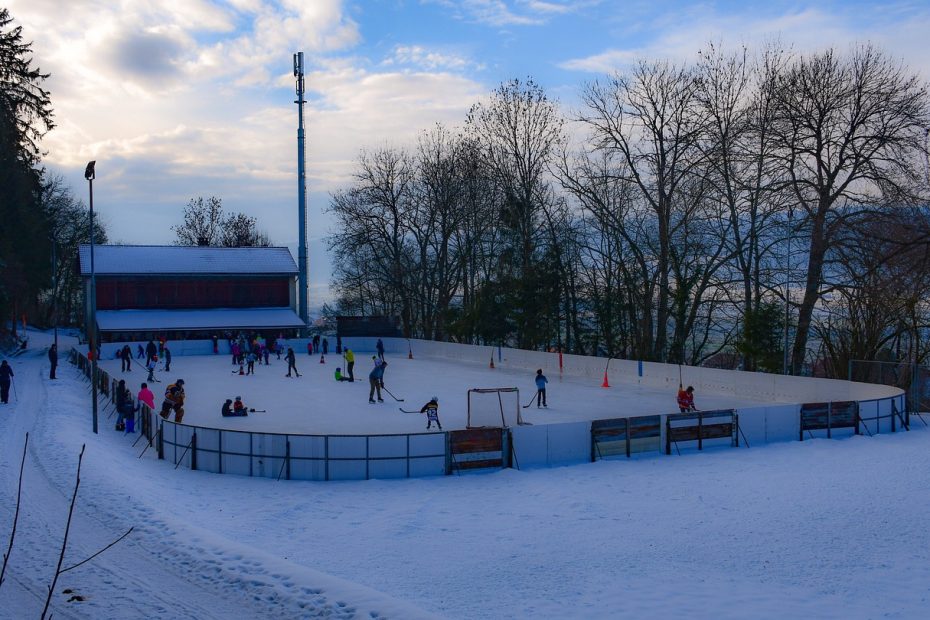
That staging can be sentimental, but it is not empty. Hockey really does have roots in outdoor play. Generations of players really did learn the sport on ponds, backyard rinks, frozen lakes, and community ice. The NHL’s version is expensive and highly produced, but the emotional material is real. Fans are not only buying a ticket to watch two points in the standings. They are buying proximity to a story they already know: hockey belongs in the cold, hockey belongs outside, and hockey connects professional stars to childhood ice.
The format also lets the league refresh old identities. Teams wear special uniforms that often reference earlier eras. Cities get to present themselves through rink design and stadium staging. Rivalries receive a larger frame. Even newer or warmer-weather markets can use outdoor games to argue that they now belong inside hockey’s larger story.
That last point is important. Outdoor games are no longer only about returning hockey to its oldest geography. They are also about expanding the definition of hockey culture. When the NHL puts major outdoor events in nontraditional markets, it is not abandoning nostalgia. It is exporting it. The league is saying that the sport’s memory can travel.
Outdoor Games and Hockey Nostalgia Theater endure because the format gives the NHL something rare: a regular-season game that feels larger than the standings without needing a playoff trophy attached. The cold, the costumes, the stadium, and the old stories all do work. Hockey sells memory well because the memory still looks good under the lights.