Culture of Hockey
The culture of hockey extends beyond the field, shaping identity through traditions, rituals, music, and storytelling that connect generations of fans around the world.
Hockey culture is not one single tradition. It changes depending on the country, climate, history, and version of the sport. In Canada, Finland, Sweden, Czechia, Slovakia, Russia, and parts of the United States, hockey often means ice hockey. In India, Pakistan, the Netherlands, Germany, Australia, Argentina, Belgium, and Great Britain, hockey often means field hockey. Together, these two games show how one sporting word can carry different meanings across the world.
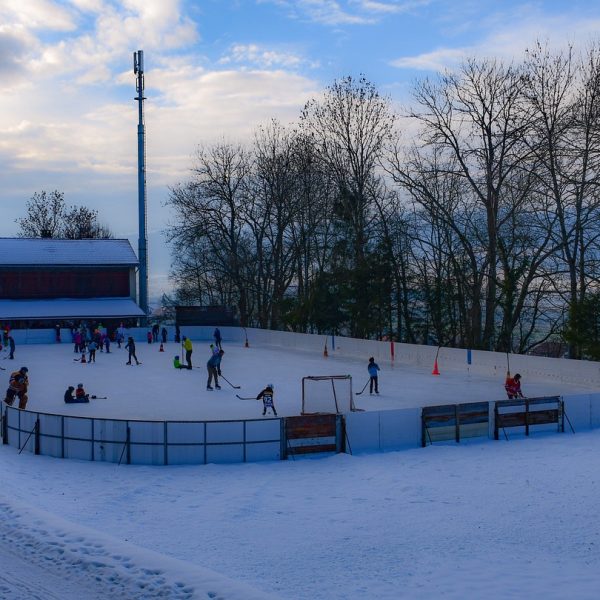
Ice hockey culture is closely tied to winter, rinks, and community identity. In Canada, hockey is part of national life, from frozen ponds and youth leagues to the NHL and international tournaments. Small towns often treat local arenas as gathering places. Families spend weekends at practices, tournaments, and early-morning games. In places such as Minnesota, Michigan, Massachusetts, Quebec, Ontario, Alberta, Manitoba, and Saskatchewan, hockey can feel like a shared language.
In northern Europe, hockey culture is also deeply rooted. Sweden and Finland have built strong club systems, national leagues, and development programs. Swedish hockey is often associated with structure, skating, and two-way play. Finnish hockey is known for discipline, goaltending, and strong national-team identity. In Czechia and Slovakia, hockey carries a powerful emotional history, especially through international tournaments and Olympic moments.
Field hockey has a different cultural map. In South Asia, especially India and Pakistan, field hockey has a major historical legacy. India won multiple Olympic gold medals in the 20th century, and Pakistan became one of the sport’s great powers. In the Netherlands, Germany, Belgium, Australia, Argentina, and Great Britain, field hockey is built through clubs, schools, universities, and national competitions. The game is especially strong in countries with organized club systems and a long Olympic tradition.
Women’s hockey is central to both versions of the sport. Women’s ice hockey has grown through college hockey, Olympic competition, national teams, and professional leagues. Canada and the United States have led much of the women’s ice hockey story, but Finland, Sweden, Switzerland, Czechia, Japan, and other countries have also developed strong programs. Women’s field hockey has an even wider global base, with major national teams in Europe, Oceania, Asia, Africa, and the Americas.
Hockey culture is shaped by loyalty, toughness, skill, travel, and local pride. It can mean a packed NHL arena, a college rivalry, a European club match, an Olympic final, a school field hockey tournament, or a youth team practicing before sunrise. Across ice and field, hockey remains a sport of place, identity, and tradition.