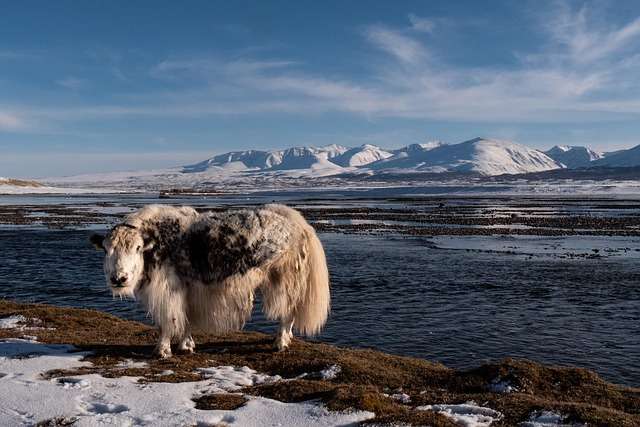
Mongolia hockey is one of the more interesting small-nation hockey stories in Asia. Unlike many emerging hockey countries, Mongolia has the climate for the sport. Cold winters, outdoor ice, and a northern geography give the game a natural foundation. The challenge is not whether ice hockey makes sense in Mongolia. The challenge is turning climate and interest into stable infrastructure, coaching, youth development, and international competitiveness.
Mongolia is a full member of the International Ice Hockey Federation, joining in 1999, and the IIHF lists Mongolia with 792 total players, 4 IIHF-size indoor rinks, and 18 IIHF-size outdoor rinks. That combination makes Mongolia very different from warm-weather emerging hockey countries where almost everything depends on indoor facilities.
What Defines Mongolia Hockey
Mongolia hockey is defined by the gap between natural conditions and organized development. The country has long winters and outdoor ice, but it does not have the dense hockey system of Russia, Kazakhstan, Finland, Sweden, or Canada. That creates a hockey culture with real potential but also real limitations.
Ulaanbaatar is central to the sport because it is the country’s largest city and the main base for organized sports infrastructure. Outside the capital, outdoor ice and winter conditions may support informal hockey, but formal competition requires equipment, coaching, referees, and reliable facilities.
Mongolia’s hockey identity is therefore a development story. It is about building structure around a sport that fits the climate but still needs investment to grow.
How Hockey Is Building Its Identity in Mongolia
The local identity of Mongolia hockey is shaped by outdoor play, cold-weather resilience, and international aspiration. Players in Mongolia are not trying to build a winter sport in a tropical setting. They are trying to organize a sport that already matches the environment but needs stronger systems.
The IIHF has highlighted Mongolia’s development in recent years, including the importance of a first indoor arena in helping the country grow hockey and return to the World Championship program. That matters because indoor ice gives players more predictable training conditions and gives federations a stronger base for youth development.
Mongolia’s hockey style is likely to be practical and rugged, shaped by outdoor conditions and smaller player pools. The next stage is turning that raw winter-sport base into more technical development.
The People and Places Behind Mongolia Hockey
Mongolia hockey is carried by the Mongolian Ice Hockey Federation, local coaches, youth programs, outdoor rinks, and the players who represent the country internationally. The national team gives the sport visibility beyond the domestic scene, while youth participation gives it a future.
The IIHF lists Mongolia as participating in the 2026 World Championship Division III Group B and the 2026 U18 Asia and Oceania Championship, which shows that the country is not merely a passive hockey member. It is part of the lower-division international hockey structure and the Asian development pathway.
That pathway matters because international competition gives Mongolian players targets. For a small hockey country, games against other developing nations can help create standards, motivation, and continuity.
Why Mongolia Hockey Matters
Mongolia hockey matters because it challenges the simple idea that hockey development is only about money or major leagues. Mongolia has geography and climate on its side, but it still needs infrastructure and organization. That makes it a useful example of how hockey grows when natural ice is available but formal hockey systems remain limited.
It also matters within Asian hockey. Much of Asian hockey is built around Japan, South Korea, China, Kazakhstan, and emerging indoor-rink countries. Mongolia adds a different profile: a cold-weather country with outdoor ice, a small player base, and a chance to build a more distinctive northern Asian hockey identity.
The Future of Mongolia Hockey
The future of Mongolia hockey depends on turning participation into structure. More indoor ice, better coaching, youth development, women’s hockey opportunities, and regular international competition would help the country move forward. Mongolia will not become a major hockey power quickly, but it has the climate and foundation to become one of Asia’s more interesting long-term development stories.
Interested in Sports in Mongolia?
American Football in Mongolia | Baseball in Mongolia | Basketball in Mongolia | Cricket in Mongolia | Football (Soccer) in Mongolia | Rugby in Mongolia