The Spengler Cup is one of hockey’s most unusual institutions because it feels both historic and slightly outside the normal hockey calendar. Held in Davos, Switzerland, between December 26 and 31, the tournament brings together invited club teams and select teams for a short international competition that exists somewhere between serious trophy chase, holiday tradition, and hockey time capsule. Founded in 1923 by Dr. Carl Spengler and hosted by HC Davos, it has become known as one of the oldest invitational hockey tournaments in the world. Its appeal is not only the games themselves, but the way it preserves an older idea of international hockey: clubs, countries, borrowed rosters, Alpine setting, and year-end drama all sharing the same ice.
The Spengler Cup Began as More Than a Tournament
The Spengler Cup did not begin as a normal sporting event created only to crown a champion. It came out of post-World War I Europe, when international sport was still shaped by political exclusion, national bitterness, and attempts to rebuild relationships across borders. Dr. Carl Spengler, a physician from Davos, saw hockey as a way to bring teams from former enemy nations back into contact. The tournament’s official history frames the early event as an effort to use sport to move past the war and create a more forward-looking atmosphere.
That origin matters because it explains why the Spengler Cup has always felt different from a normal club competition. It was international before international hockey became a neatly packaged television product. It was invitational rather than league-based. It brought teams together not because they shared a domestic schedule, but because Davos became a temporary meeting place for hockey cultures.
The first edition was played from December 28, 1923, to January 1, 1924, and included HC Davos, Wiener EV, Berliner SC, and Oxford University. Oxford won the first tournament, giving the competition an unusual opening chapter: a Swiss-based event created for European reconciliation was first won by a British university side with deep Canadian hockey connections.
That mixture became part of the tournament’s identity. The Spengler Cup was never only Swiss, never only European, and never fully national-team hockey. It became a place where hockey’s club world, student world, national traditions, and professional circuits could overlap.
The Holiday Window Made It Hockey’s Annual Detour
The Spengler Cup’s calendar is central to its personality. Playing from Boxing Day through New Year’s Eve gives the tournament a distinctive place in the hockey year. It arrives when many fans are already watching holiday sports, when European club schedules can bend around a special event, and when North American audiences are used to international hockey through the World Juniors.
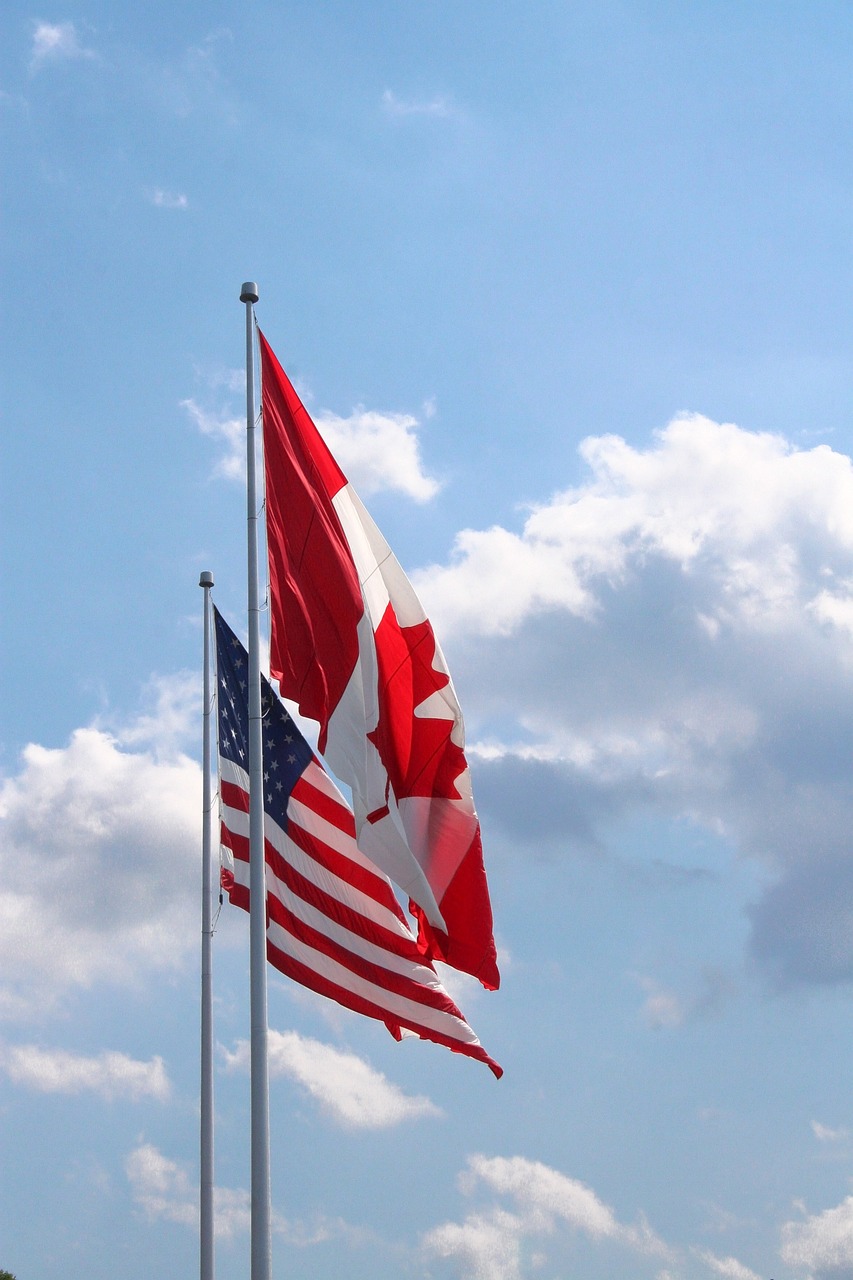
That timing also helps explain why Team Canada became such an important part of the tournament’s modern identity. Canada began participating in 1984, and its Spengler Cup teams have often been built from Canadians playing professionally in Europe rather than active NHL or AHL players, because the tournament overlaps with the North American professional season. That gives the Canadian entry a particular character: not the Olympic team, not the World Championship team, and not a junior team, but a group of experienced professionals temporarily assembled for a short international run.
This is one of the reasons hockey fans treat the Spengler Cup as a niche pleasure. It rewards people who enjoy the sport beyond the NHL. The rosters can include European club veterans, former NHL players, national-team regulars, prospects, and players whose careers have moved through several leagues. The result is a tournament that feels familiar and unfamiliar at the same time.
The setting adds to that feeling. Davos is not a neutral mega-city built for a global event. It is an Alpine hockey town, and HC Davos is not just a host in name. The club is part of the tournament’s competitive and cultural identity. The Spengler Cup belongs to Davos in the way some tournaments belong to a stadium, a holiday, or a recurring national ritual.
That consistency gives the event its charm. Modern sports often chase expansion, reinvention, and constant format changes. The Spengler Cup has endured partly because it remains recognizable: six invited teams, a year-end schedule, international club hockey, and a final played before the calendar turns.
Why the Spengler Cup Still Feels Like a Hockey Secret
The Spengler Cup still matters because it preserves a form of hockey that does not fit cleanly into the sport’s biggest commercial categories. It is not the Stanley Cup playoffs. It is not the Olympics. It is not the World Juniors. It is not a domestic league championship. It is a short invitational tournament with old roots, unusual rosters, and a setting that gives it immediate identity.
That makes it especially valuable for hockey culture. It reminds fans that the sport’s international history is not only about national teams. Club hockey has its own international map, with Swiss, Czech, Finnish, German, Swedish, Canadian, and other traditions intersecting across different eras. The Spengler Cup turns that map into a yearly event.
It has also remained flexible enough to keep absorbing new stories. The tournament has seen European clubs, Canadian select teams, host triumphs, lockout-era appearances, and modern experiments with different kinds of invited teams. The 2025 edition, for example, included a United States Collegiate Selects team, marking the first all-star-style NCAA presence at the tournament.
That kind of variation is part of the appeal. The Spengler Cup is old, but it is not frozen. Its history gives it authority, while its invitation model gives it room to create odd and memorable matchups.
For hockey fans, the tournament’s “nerd-coded” quality is not a weakness. It is the point. The Spengler Cup is for people who like the layers beneath the obvious calendar: European club identities, Canadian players abroad, alternative routes through professional hockey, and tournaments that survive because they have a specific purpose and atmosphere.
The Spengler Cup endures because it gives hockey something rare: a tradition that feels old without feeling empty. It belongs to Davos, but it has always looked outward. Every December, it creates a small international hockey world of its own, where the sport’s past and present meet before the year ends.