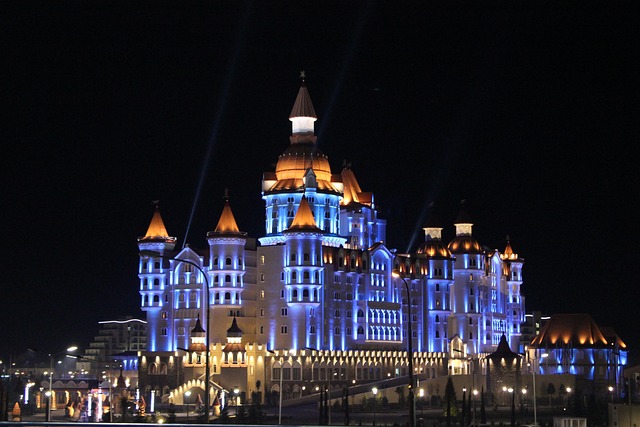
Ice hockey at the 2014 Winter Olympics in Sochi, Russia, was one of the most high-profile tournaments in modern Olympic history. It brought together the world’s best national teams in a short, intense competition shaped by NHL talent, elite international players, and strong tactical systems across Europe and North America.
The tournament was played entirely within the Winter Olympics structure, meaning this was not an exhibition or demonstration event. Ice hockey in 2014 was a full medal sport, and it represented one of the most important stages in the global hockey calendar outside the NHL season.
Ice Hockey’s Olympic Status in 2014
At the 2014 Olympics, ice hockey was an official Winter Olympic medal sport for both men and women. The men’s tournament featured NHL players, as the league paused its season to allow full Olympic participation. The women’s tournament featured national teams competing at the highest international level, with North American and European programs forming the core of elite competition.
Sochi 2014 continued ice hockey’s long Winter Olympic tradition that began in 1924, with the exception of its earlier appearance at the 1920 Summer Olympics before the Winter Games existed.
Men’s Ice Hockey Tournament Overview
The men’s tournament in 2014 followed a format designed to produce fast, high-stakes games. Teams were split into groups for the preliminary round, followed by knockout stages leading to the medal games.
Canada won the gold medal, continuing its strong Olympic legacy in ice hockey. The team did not allow a single goal in the knockout stage, a rare defensive achievement in modern Olympic hockey. Sweden earned the silver medal, while Finland defeated the United States to claim bronze.
The tournament was heavily influenced by NHL-level structure and talent, with most rosters composed of players from the world’s top professional league.
Women’s Ice Hockey Tournament Overview
The women’s ice hockey tournament in 2014 featured a smaller number of teams but maintained a high competitive standard. Canada and the United States remained the dominant forces, continuing a long-standing rivalry that defines women’s international hockey.
Canada won gold after defeating the United States in the final, while Switzerland earned the bronze medal. The tournament reinforced the gap between the top North American teams and the rest of the field, while also showing gradual improvement in European programs such as Finland, Sweden, and Switzerland.
Key Features of Olympic Ice Hockey in 2014
The 2014 tournament is often remembered for several defining characteristics:
- Full participation of NHL players in the men’s tournament
- High tactical discipline, especially in defensive systems
- Small margins between top teams in knockout rounds
- Strong goalie performances shaping medal outcomes
- Continued North American and European dominance patterns
Sochi’s ice hockey venues were designed to meet international standards, with NHL-size rinks and facilities built to support global broadcasting and fast-paced gameplay.
Global Hockey Context in 2014
Ice hockey at the 2014 Olympics reflected the global structure of the sport at the time. Canada, the United States, Russia, Sweden, and Finland remained the core power centers, while other European nations such as Czech Republic, Slovakia, and Switzerland played important competitive roles.
The tournament also highlighted the ongoing importance of the Olympics as a rare stage where NHL players compete in a best-on-best international format, something not always available in other international tournaments.
Legacy of Ice Hockey at the 2014 Olympics
The 2014 Sochi tournament is often viewed as one of the last major Olympic ice hockey events with full NHL participation for both men’s and women’s competitions before changes in later cycles affected player availability.
It reinforced Canada’s Olympic dominance in the modern era and continued the tradition of close, high-intensity knockout hockey deciding medals by narrow margins rather than wide gaps.
Ice hockey at the 2014 Winter Olympics remains a reference point for modern Olympic hockey: fully professional, tactically advanced, and shaped by the strongest national programs in the world.