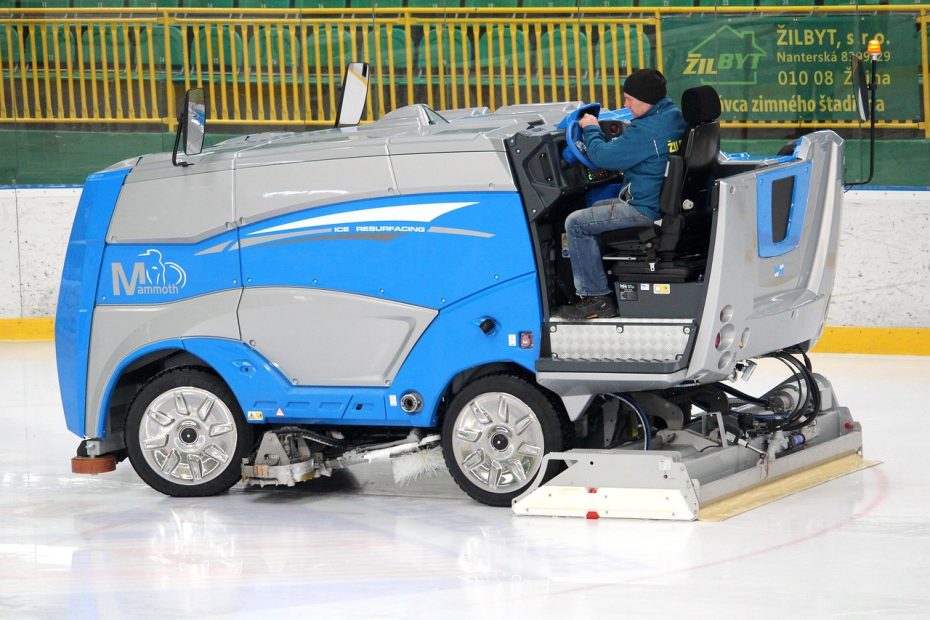
The Zamboni as hockey’s weirdest celebrity machine is a story about function becoming folklore. At its core, the machine exists to do a practical job: resurface the ice so the game can continue at speed, with clean skating lanes and a reliable playing surface. But over time, the Zamboni became more than rink equipment. It became part of the show, part of childhood memory, part of arena rhythm, and one of the few machines in sports that fans recognize by name. Hockey has superstars, trophies, goal horns, sweaters, mascots, and rivalries, but it also has a slow-moving ice resurfacer that somehow became one of the sport’s most beloved symbols.
The Ice Problem Every Rink Needed to Solve
Hockey depends on a surface that breaks down as the game is played. Every stride cuts into the ice. Every stop sprays shavings across the rink. Every fall, turn, puck battle, and crease scramble leaves marks behind. The longer the game goes, the more the surface changes. Ice that begins a period clean and fast can become rough, snowy, and unpredictable.
Before modern ice resurfacers, maintaining that surface was labor-intensive. Crews had to scrape, shovel, flood, and smooth the ice by hand. That took time, manpower, and patience. It also meant the quality of the surface depended heavily on the rink staff, the tools available, and the conditions inside the building.
The Zamboni changed the rhythm of that work. Instead of ice maintenance feeling like a delay, it became a visible part of the event. The machine scraped the damaged surface, collected snow, washed the ice, and laid down a thin layer of clean water that froze into a smoother sheet. It compressed several rink tasks into one recognizable process.
That practical value matters. Hockey is a game of speed and edges. Players need to trust the ice under them. A bad surface can slow the puck, disrupt passing, make skating less precise, and increase the chance of awkward plays. The Zamboni helped standardize one of the sport’s most important hidden conditions: the rink itself.
How a Maintenance Vehicle Became Part of the Show
The strange charm of the Zamboni comes from contrast. Hockey is fast, violent, loud, and full of sudden changes. Then the period ends, the teams leave the ice, and the arena watches a large machine move in calm, steady circles. It is not dramatic in the usual sports sense. That is exactly why it stands out.
The Zamboni gives hockey a pause with a visible purpose. Fans can watch the rink transform in real time. The scraped-up, snowy surface becomes glossy again. The machine follows a pattern that feels almost ceremonial. Children notice it because it is big, unusual, and easy to understand. Adults notice it because it marks the transition between one phase of the game and the next.
Over time, that repeated visibility gave the machine a personality inside hockey culture. People do not usually cheer for groundskeeping tools, floor polishers, or maintenance carts. The Zamboni is different because it performs in public. It enters the same playing surface as the athletes. It has a name people remember. It moves slowly enough that everyone can see what it is doing. It also appears at every level of the sport, from professional arenas to community rinks.
That is why the machine became a kind of celebrity. It does not compete, but it belongs to the event. It is not a mascot, but it has mascot-like recognition. It is not a player, but it is part of the game’s visual language. Hockey fans may forget the name of a depth defenseman, but they know the Zamboni when it rolls onto the ice.
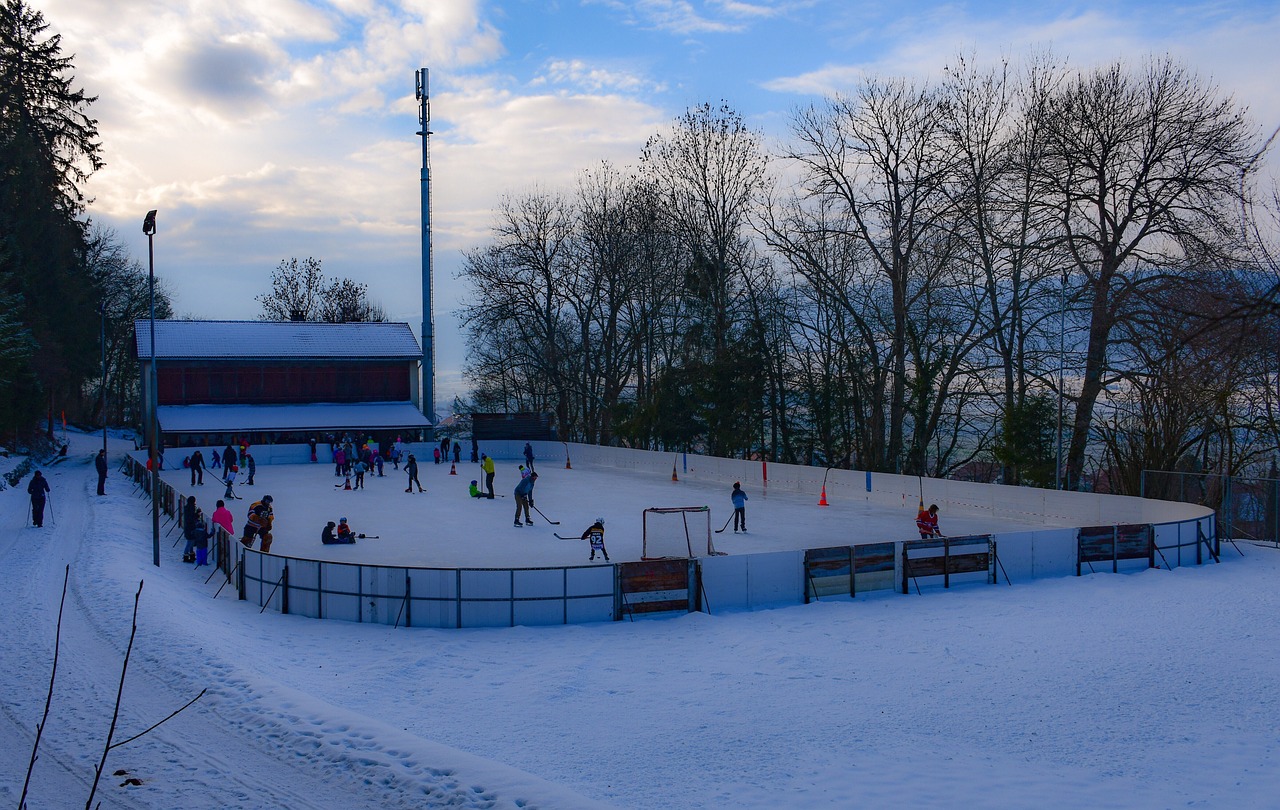
The machine also represents something deeply local about hockey. NHL arenas have their own presentation styles, but the Zamboni belongs just as much to small-town rinks, youth tournaments, public skating sessions, and late-night adult leagues. It connects the sport’s professional spectacle to the everyday places where people actually learn to skate.
Why the Zamboni Still Feels Like Hockey Culture
The Zamboni’s legacy is not just mechanical. It became a symbol of how hockey treats the rink as part of the story. The ice is not a neutral background. It is maintained, protected, renewed, and watched. The machine makes that process visible.
That visibility gives the Zamboni rare cultural range. It can appear in cartoons, commercials, arena promotions, children’s books, novelty rides, minor league stunts, and casual conversation without needing much explanation. Even people who do not follow hockey closely often understand what a Zamboni is. That kind of recognition is unusual for a piece of sports infrastructure.
The machine also carries a small democratic quality. Most fans will never skate in the NHL, lift the Stanley Cup, or stand on an Olympic podium. But many have watched a Zamboni from rinkside glass, ridden one during an intermission promotion, or seen one clean the ice before a youth game. It belongs to hockey’s everyday memory as much as its professional stage.
That is why the Zamboni remains one of hockey’s oddest icons. It became famous by doing necessary work in public, slowly and repeatedly, until the ritual became part of the sport’s identity. Hockey needs clean ice, but it also needs the moments that make a rink feel like a rink. The Zamboni provides both.