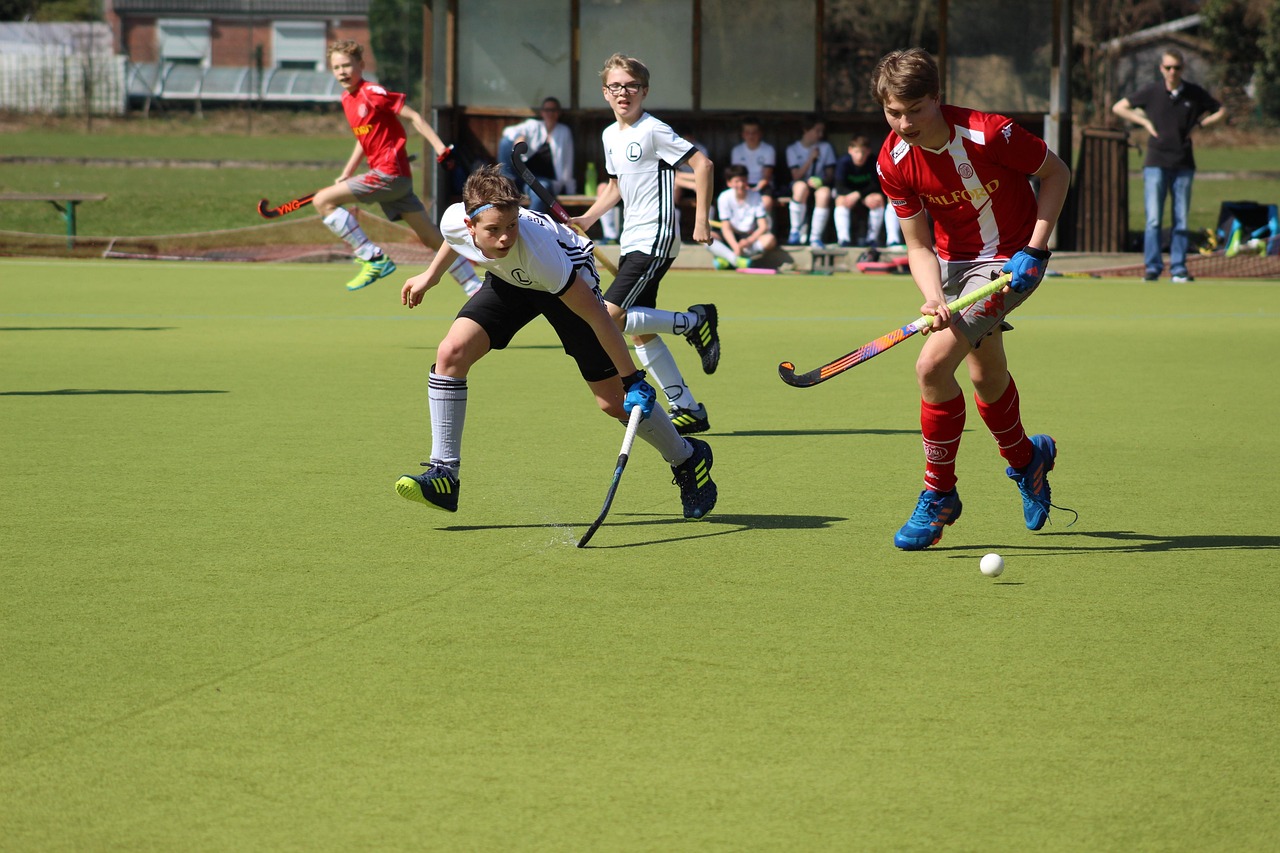
In the United States, field hockey is often treated as a girls’ school sport, tied to fall schedules, private schools, college recruiting, and regional pockets of participation. That version is real, but it is only one small part of the sport’s identity. Globally, field hockey is a major Olympic sport played by men and women, shaped by South Asian power, Dutch and German systems, British history, Australian excellence, Argentine ambition, Belgian rise, and a long international calendar. Americans misunderstand field hockey because they usually meet it through one narrow doorway. The wider sport is older, bigger, faster, and more globally important than its U.S. reputation suggests.
The American Version Is Only One Slice of the Sport
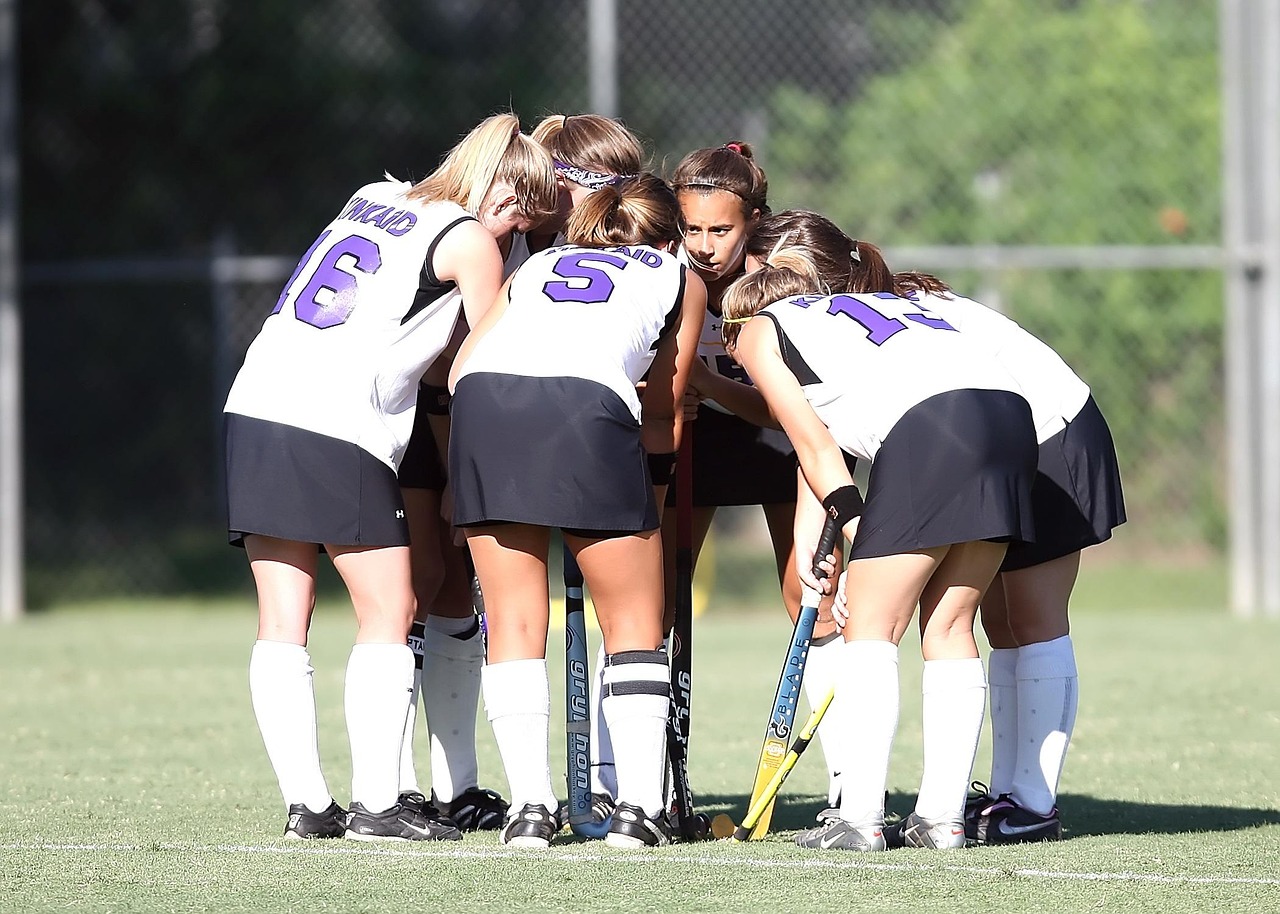
The American misunderstanding starts with the way field hockey is encountered. In the United States, the sport is heavily associated with girls’ high school and college athletics. USA Field Hockey says roughly 60,000 players participate each fall high school season, and NFHS data from 2018–19 showed more than 60,000 combined participants, almost all of them girls.
That creates a powerful local image. For many Americans, field hockey means suburban school fields, girls’ varsity teams, college showcases, and a sport played mostly in the Northeast, Mid-Atlantic, and certain private-school or prep-school corridors. It is not usually presented as a major men’s international sport. It is not usually framed as a sport with deep Olympic rivalries, professional-caliber national teams, or large followings in Asia, Europe, Oceania, and South America.
The result is a category mistake. Americans are not wrong that field hockey has a strong girls’ scholastic identity in the U.S. They are wrong when they assume that identity defines the sport itself. It is like judging soccer only by American youth leagues in the 1980s, or judging cricket only by recreational matches in American parks. The local version is visible, but it is not the global center of gravity.
Field hockey’s American image also gets complicated by the word “hockey.” In the U.S. and Canada, “hockey” usually means ice hockey. In much of the world, “hockey” can mean field hockey. That linguistic split matters. It changes what people picture before the sport is even explained.
The Global Game Has Olympic Weight and International Power Centers
Globally, field hockey has a much larger profile. Men’s field hockey entered the Olympic Games in 1908, and women’s field hockey joined the Olympic program in 1980. The sport has remained one of the major team competitions on the Summer Olympic calendar, with one men’s tournament and one women’s tournament at each Games.
Its history is not centered on the United States. South Asia shaped much of the early Olympic story. India became the dominant men’s power for decades, winning eight Olympic gold medals and building one of the most important dynasties in international team-sport history. Pakistan later became a major force as well, giving the sport one of its defining regional and stylistic traditions.
Europe then became increasingly central, especially through the Netherlands, Germany, Great Britain, Spain, and Belgium. The Netherlands have been especially important in the women’s game, while Germany and the Netherlands have been major men’s powers in the modern Olympic era. Australia has also been one of the sport’s defining countries, with elite men’s and women’s programs, while Argentina’s rise has made South America part of the highest-level conversation. Belgium’s recent men’s success showed how investment, structure, and player development could push another country into the sport’s top tier.
This is the field hockey many Americans rarely see. It is not a niche school activity. It is an international sport with tactical systems, national styles, Olympic pressure, and long-running debates about surfaces, speed, skill, and development. The shift from natural grass to artificial turf, first used in Olympic hockey in 1976, changed the sport’s rhythm and helped reshape the balance of power. Faster surfaces rewarded different skills, different training systems, and different institutional advantages.
That history explains why American assumptions miss so much. The global sport is not organized around the American school calendar. It is organized around national teams, Olympic cycles, continental competitions, club structures, and international federations. The U.S. version is a branch. The global sport is the tree.
Why the Misunderstanding Still Matters
The misunderstanding matters because it changes how Americans value the sport. When field hockey is coded only as a girls’ school sport, it can seem smaller than it is. Its global men’s history disappears. Its women’s international excellence gets flattened into a domestic participation story. Its Olympic rivalries and tactical evolution become invisible.
That does not diminish the American girls’ and women’s field hockey tradition. In fact, that tradition is one of the most important ways the sport has survived and grown in the United States. The problem is not that Americans associate field hockey with girls’ athletics. The problem is that many Americans stop there.
A better understanding would hold both ideas at once. In the U.S., field hockey has a specific scholastic and collegiate identity. Around the world, it is a major international sport with men’s and women’s national teams, Olympic prestige, and deep cultural roots in places where the game carries far more public meaning.
That wider view makes the sport more interesting. It connects American school fields to Olympic stadiums, local programs to global systems, and a familiar fall sport to a much larger international history. Field hockey is not misunderstood because it lacks importance. It is misunderstood because Americans usually see only the version closest to them.