Terry Sawchuk and the brutality of old-time goaltending belong to the same story because his career made the danger of the position impossible to ignore. Before masks became standard, a goalie did not simply guard the net. He absorbed pucks, sticks, skates, collisions, and the expectations of a sport that treated pain as part of the job. Sawchuk was one of the greatest goaltenders in hockey history, with 103 NHL shutouts, four Stanley Cups, and four Vezina Trophies, but his legacy also carries the physical cost of an era that asked goaltenders to stand in front of the game without enough protection.
Terry Sawchuk and the Brutality of Old-Time Goaltending Before the Mask
Old-time goaltending was built around exposure. The puck was hard, the ice was crowded, sticks were dangerous, and the equipment was primitive compared with the modern position. Goalies wore thinner pads, smaller gloves, less structured chest protection, and, for much of Sawchuk’s career, no face mask at all. The position demanded reflexes, courage, and a willingness to accept injury as routine.
That made the job psychologically different from modern goaltending. A goalie had to track the puck while also knowing that any shot rising toward the face could mean stitches, broken bones, or damage that lasted far beyond the game. The crease was not just a defensive area. It was a workplace where the body became part of the equipment.
Sawchuk came to symbolize that world because he was brilliant inside it. He played low, battled through traffic, and carried a style that helped define elite goaltending before modern technique and modern safety standards reshaped the position. His records and trophies show the greatness. His face and body showed the price.
A famous 1966 LIFE magazine feature used Sawchuk’s face to illustrate the injuries goalies absorbed before masks became normal. The image, with wounds recreated by makeup to map the damage from his career, became one of hockey’s most unforgettable visual documents: not because it exaggerated the danger of the position, but because it made that danger visible to people who usually saw only saves.
The Goalie Who Turned Damage Into Greatness
Sawchuk’s career was not remembered only because he suffered. It was remembered because he remained great while suffering.
He became a star with the Detroit Red Wings, where his discipline and consistency helped make him one of the defining goaltenders of the 1950s. He won the Calder Trophy as the NHL’s top rookie, became a four-time Vezina Trophy winner, and helped win Stanley Cups with Detroit and later Toronto. His 103 shutouts stood as one of hockey’s most important goaltending records, and his 447 career wins remained the NHL record for decades.
That statistical greatness matters because it prevents the story from becoming only a tale of punishment. Sawchuk was not simply a damaged athlete from a rougher time. He was an all-time great who played the most punishing version of his position at an elite level. His career sits at the intersection of excellence and endurance.
The injuries were extensive. The 1966 LIFE account described more than 400 stitches over his career, along with serious damage including a slashed eye, arm trouble, and lasting back issues. Those details are not just gruesome trivia. They explain the daily reality behind the old goaltending mythology. A goalie could be celebrated for toughness while also being left to carry the consequences alone.
Sawchuk’s life also shows why old hockey toughness should not be romanticized too easily. The game gave him fame, records, championships, and a permanent place in hockey history. It also placed him in a role where playing hurt was normal and where the line between courage and neglect was often blurred. In that sense, Sawchuk is not only a symbol of old-time goaltending. He is evidence of what the sport once demanded from the people who played its most exposed position.
Why Sawchuk Still Defines the Mask-Era Divide
The arrival of the goalie mask changed hockey because it changed what the sport was willing to protect. Jacques Plante’s use of the mask in NHL play helped push the position toward a different future, and over time the mask became standard rather than strange. Once that happened, the old image of the bare-faced goalie began to look less like proof of toughness and more like proof of how long the sport had tolerated unnecessary risk.
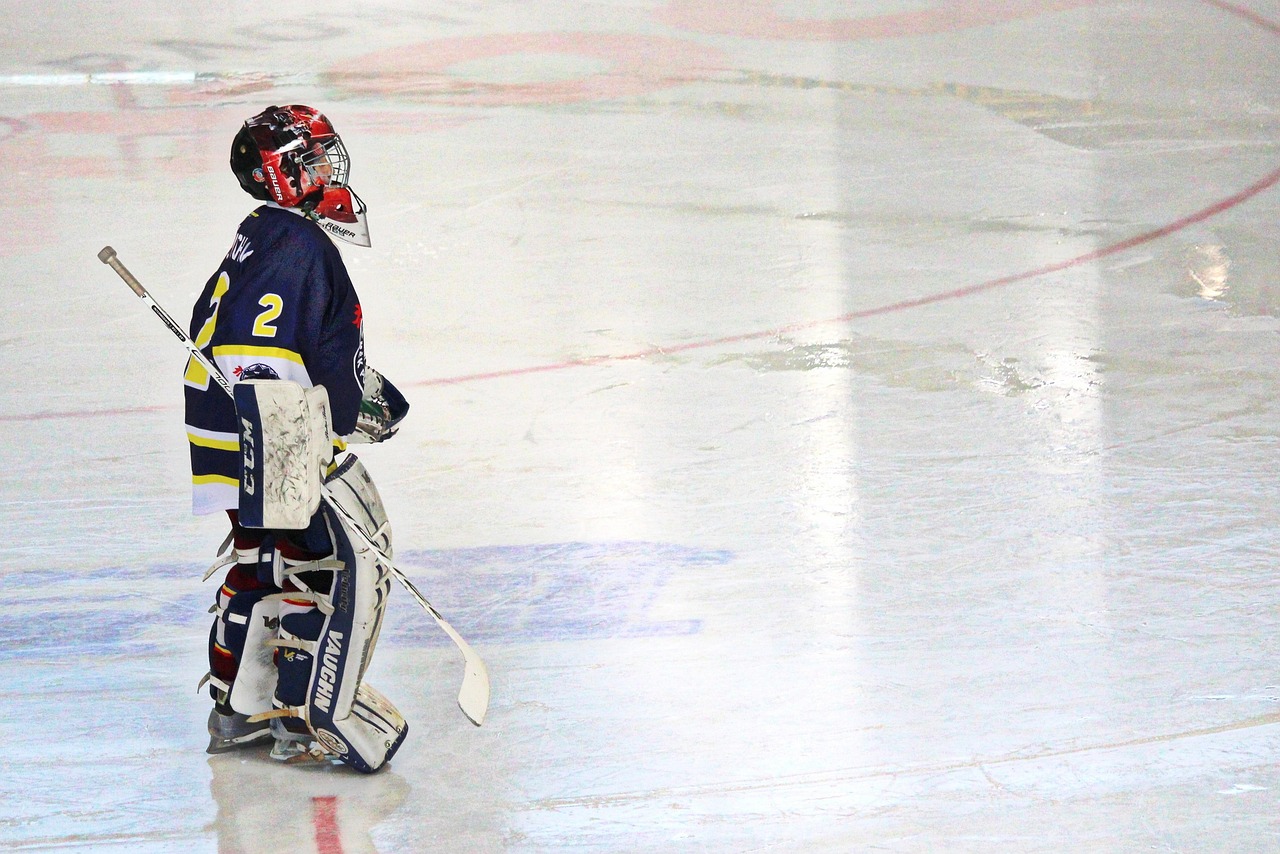
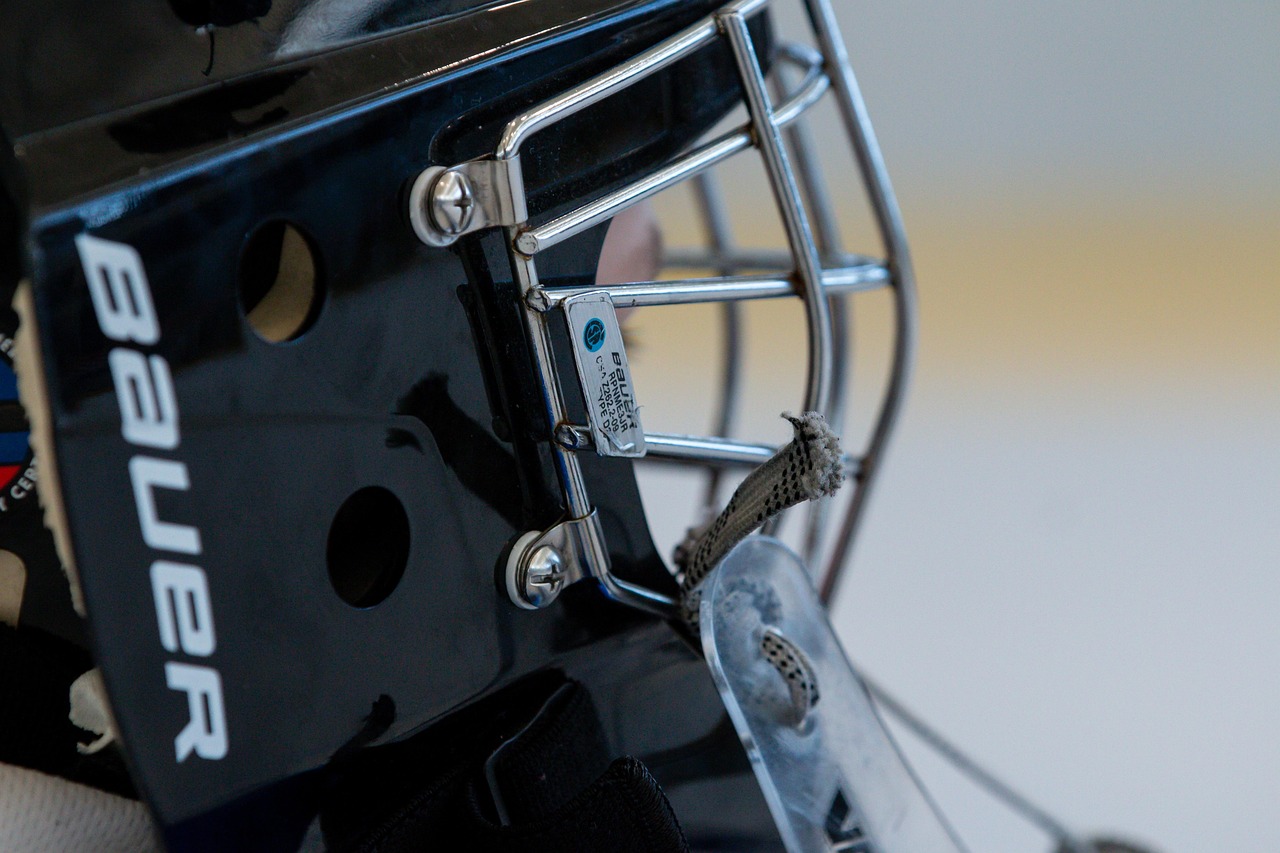
Sawchuk remains central to that divide because his career makes the before-and-after easy to understand. Modern goalies still face danger. They still absorb high-speed shots, collisions, and physical strain. But they do so with masks, cages, better chest protectors, improved leg pads, specialized coaching, medical protocols, and a much clearer understanding that protection is part of performance.
The mask did not make goaltending easy. It made goaltending survivable in a more rational way. It allowed the position to become more technical, more athletic, and more sustainable. Goalies could challenge shooters differently, develop new styles, and build careers without accepting facial injury as an ordinary cost of doing business.
Sawchuk’s legacy, then, is not only about records. It is about the evolution of hockey’s conscience. His career belongs to a period when the sport often confused sacrifice with silence. The modern crease was built partly from the recognition that greatness should not require that level of exposure.
Terry Sawchuk remains one of hockey’s essential figures because his career tells two truths at once. He was one of the greatest goaltenders ever to play, and he played in an era that asked too much of the human body. His story is not only about old-time toughness. It is about how hockey learned, slowly and visibly, that protecting the goalie did not weaken the sport. It allowed the position to become something greater.