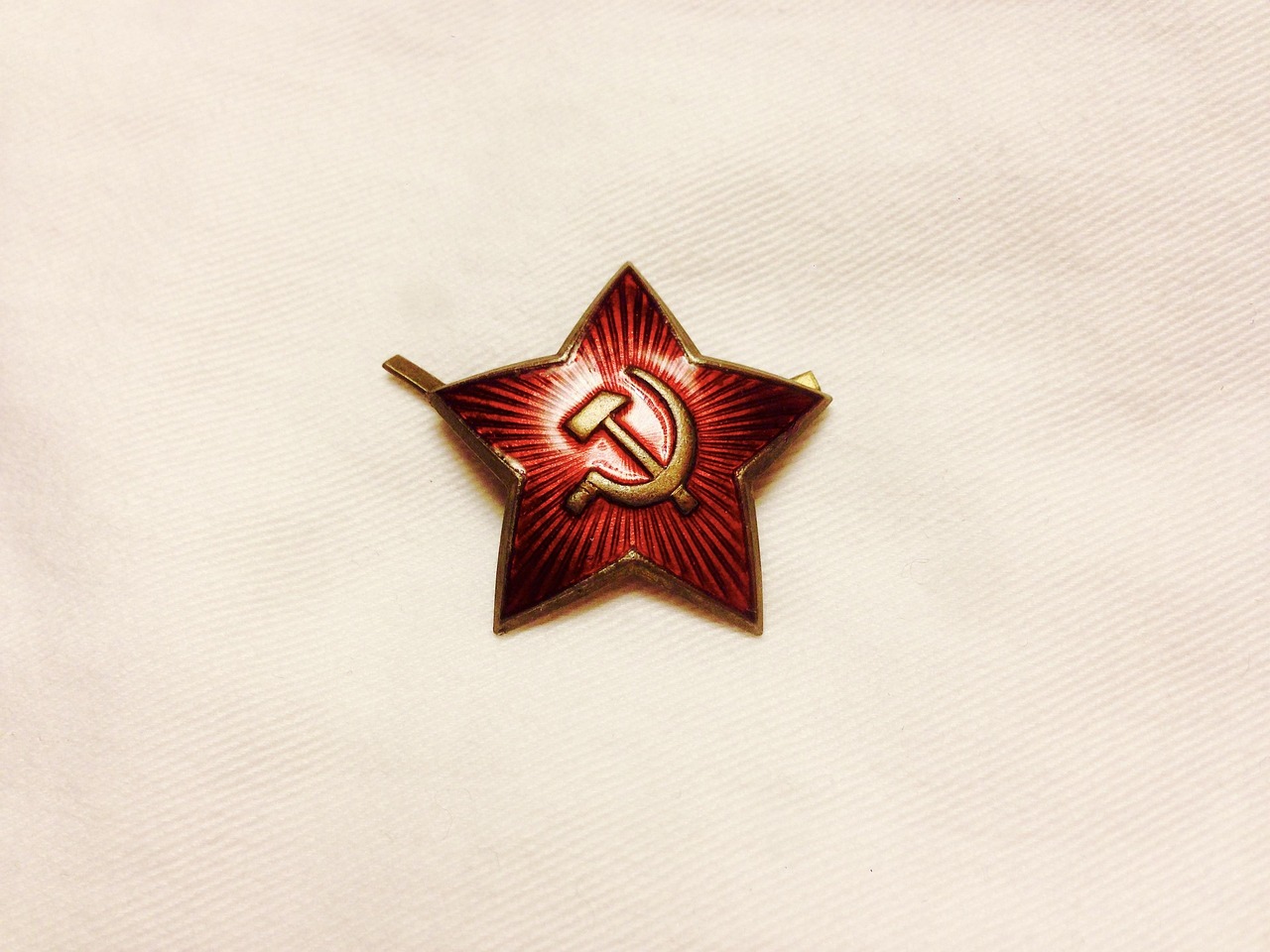
The Hockey Machine Built by the Soviet State was not just a great team. It was a complete sports system. The Soviet Red Army team, known through CSKA Moscow and the Soviet national program, turned ice hockey into a model of collective movement, technical repetition, military discipline, and political symbolism. To many North American fans, the team often appears only as the opponent in the Miracle on Ice. That misses the larger story. The Soviet program produced one of the most dominant dynasties in international hockey history, but it also placed extraordinary players inside a structure that rewarded them, controlled them, and often limited their freedom. The result was hockey that could look beautiful and mechanical at the same time.
How Soviet Hockey Became a State Project
Soviet hockey did not become powerful because one club happened to find a golden generation. It became powerful because the state treated sport as an extension of national achievement. CSKA Moscow, widely known in the West as the Red Army Team, was tied to the Soviet military sports system. The Soviet national team drew heavily from that club structure, which meant many of the best players trained, lived, and played together for most of the year.
That arrangement gave the Soviet team a major advantage over countries that assembled national teams only for tournaments. Soviet players were not simply learning a playbook before an Olympics or World Championship. They were formed inside the same year-round environment, repeating the same habits until passing lanes, defensive support, and puck movement became automatic.
Anatoly Tarasov, often called the father of Russian hockey, helped build the program’s early identity. His teams emphasized skating, conditioning, passing, and coordinated motion rather than the more direct, collision-heavy style familiar to many North American audiences. Britannica credits Tarasov’s innovations with helping establish Soviet dominance in international hockey, including three Olympic gold medals and 10 world championships during his coaching era.
The Soviet method was not only about tactics. It was also about ideology. The best Soviet hockey presented the team as the star. The puck moved quickly. Players rotated through space. Individual brilliance existed, but it was supposed to serve the collective. That made the team hard to read. A defenseman could join the attack, a forward could appear where a defenseman had been, and the puck could travel faster than any single player.
For opponents, the Soviet team could feel less like five players improvising and more like one organism moving across the ice.
The Players Inside the Machine
The greatness of the Red Army system depended on extraordinary players. Vladislav Tretiak became one of the defining goaltenders in hockey history. Britannica notes that, as a member of the Central Red Army team and Soviet national squad, he won 10 world championships and three Olympic gold medals. His calm in goal gave the Soviet system a foundation: the team could take risks because it trusted the player behind them.
Later generations added names that became central to hockey history: Viacheslav Fetisov, Igor Larionov, Sergei Makarov, Vladimir Krutov, Alexei Kasatonov, Valeri Kharlamov, Boris Mikhailov, Vladimir Petrov, Alexander Maltsev, and others. The Soviet national team’s record explains the scale of that talent. From 1954 to 1991, the team won at least one medal every year at either the World Championships or the Olympic tournament, and its Olympic record included seven gold medals, one silver, and one bronze.
But the same system that made them great also trapped them. Players were privileged within Soviet society. They traveled, represented the country, received status, and played on the most important hockey stages in the world. Yet they were also subject to strict control. They could not simply decide to join the NHL when North American teams wanted them. Their careers belonged partly to themselves and partly to the state.
That tension became especially visible under Viktor Tikhonov, who coached the Soviet national team from 1977 to 1991. His era included major triumphs, including Olympic gold in 1984 and 1988, but it is also remembered for intense discipline and control over players’ lives.
This is what makes the Red Army story more complicated than ordinary sports dominance. The Soviet players were not interchangeable parts, even when the system treated them as pieces of a larger machine. They were artists inside a structure of command. Their passing, spacing, and anticipation could be breathtaking. Their daily reality could be restrictive. The same machine that refined their genius also claimed authority over it.
Why the Red Army Team Still Shapes Hockey Memory
The Red Army team still matters because it changed what hockey could look like. North American hockey had long prized toughness, straight-line pressure, and individual battles along the boards. Soviet hockey showed another version of elite play: constant motion, puck possession, five-man coordination, and a belief that space could be created through rhythm rather than force.
The 1972 Summit Series forced Canada to confront that reality directly. Canada entered the series expecting to prove its professional superiority, but the Soviet team’s speed, skill, and structure turned the series into a defining moment in modern international hockey. The IIHF later described the series as having a decisive influence on the development of the game.
The Red Army team also shaped how North Americans remember the Miracle on Ice. The 1980 U.S. Olympic win became legendary because the Soviet opponent was not merely good. It was the reigning symbol of hockey dominance, a team built from a system that had overwhelmed international competition for decades. Reuters described the American victory as ending the Soviets’ reign as four-time Olympic champions and as one of the greatest upsets in sport.
Yet reducing the Soviet team to the team that lost in Lake Placid flattens the story. Their real legacy is larger than one defeat. They influenced coaching, player development, international tactics, and the NHL’s understanding of European skill. When Soviet-trained stars later reached North America, they brought habits formed by that system: puck support, regrouping, deception, patience, and movement away from the puck.
The Soviet Red Army team was one of hockey’s great contradictions. It was a machine built by the state, but it produced players of immense creativity. It demanded collectivism, yet depended on individual genius. It projected power, yet contained people who wanted more freedom. That is why the team still matters: it was not only one of hockey’s greatest dynasties, but one of the clearest examples of sport becoming a mirror of the society that built it.