Ric Charlesworth is one of field hockey’s clearest examples of a sporting mind that moved across roles without losing its central purpose. He was an elite Australian player, a first-class cricketer, a medical doctor, a federal politician, an author, and one of the most successful coaches in modern hockey. His story matters because it shows how field hockey can reward not only speed and skill, but also pattern recognition, preparation, tactical imagination, and leadership. Charlesworth did not simply collect titles across different fields. He turned a wide-ranging life into a coherent sporting philosophy, then used it to shape both the Hockeyroos and the Kookaburras at world level.
Ric Charlesworth and the Education of a Hockey Mind
Charlesworth’s hockey career began long before he became known as a master coach. He represented Australia at five Olympic Games between 1972 and 1988, won silver at the 1976 Montreal Olympics, and played 227 international matches. Sport Australia Hall of Fame describes his playing style as built around stick work, body movement, dribbling, feints, and the ability to beat opponents on either side of his body. That detail matters because Charlesworth’s later coaching identity was not detached from the skills of the game. He understood hockey from inside the contest: angles, pressure, balance, spacing, and the small decisions that separate a promising attack from a wasted possession.
His career was unusually broad even before coaching. He played first-class cricket for Western Australia, completed a medical degree, and served as a federal member of parliament for Perth from 1983 to 1993. That combination gave him a rare profile in sport: part athlete, part analyst, part public figure, part systems thinker. In a sport where space disappears quickly and decisions are made under pressure, that wider background became part of his authority. Charlesworth’s later teams were not just fitter or more talented. They often looked better prepared for the number of problems a match could throw at them.
The Coach Who Turned Preparation Into Dominance
Charlesworth’s greatest coaching run came with the Australian women’s national team, the Hockeyroos. After taking over in the early 1990s, he led them through one of the strongest periods in international field hockey history. Under him, the Hockeyroos won the World Cup in 1994 and 1998, Olympic gold in 1996 and 2000, the 1998 Commonwealth Games, and multiple Champions Trophy titles. That is not a single tournament peak. That is sustained control across formats, venues, and pressure cycles.
The scale of that run is what makes Charlesworth more than a famous former player who became a good coach. He built teams that could repeat excellence. That is one of the hardest things in international sport because opponents study success, players age, expectations rise, and every tournament creates new pressure. Charlesworth’s Hockeyroos kept winning because the program became larger than one star or one moment. It was a system of standards: technical skill, tactical clarity, physical readiness, and the ability to adjust without losing identity.
His later work with the Kookaburras reinforced the same point. Charlesworth returned to the Australian men’s program as coach and helped guide the team to major titles, including the 2010 and 2014 World Cups. The Australian Olympic Committee later described his career in terms of contribution as an Olympic and Commonwealth Games player, coach, and leader, which captures why his legacy crosses ordinary categories. He was not only part of Australian hockey history. He helped organize how Australian hockey thought about performance.
Why Charlesworth Still Represents Field Hockey Intelligence
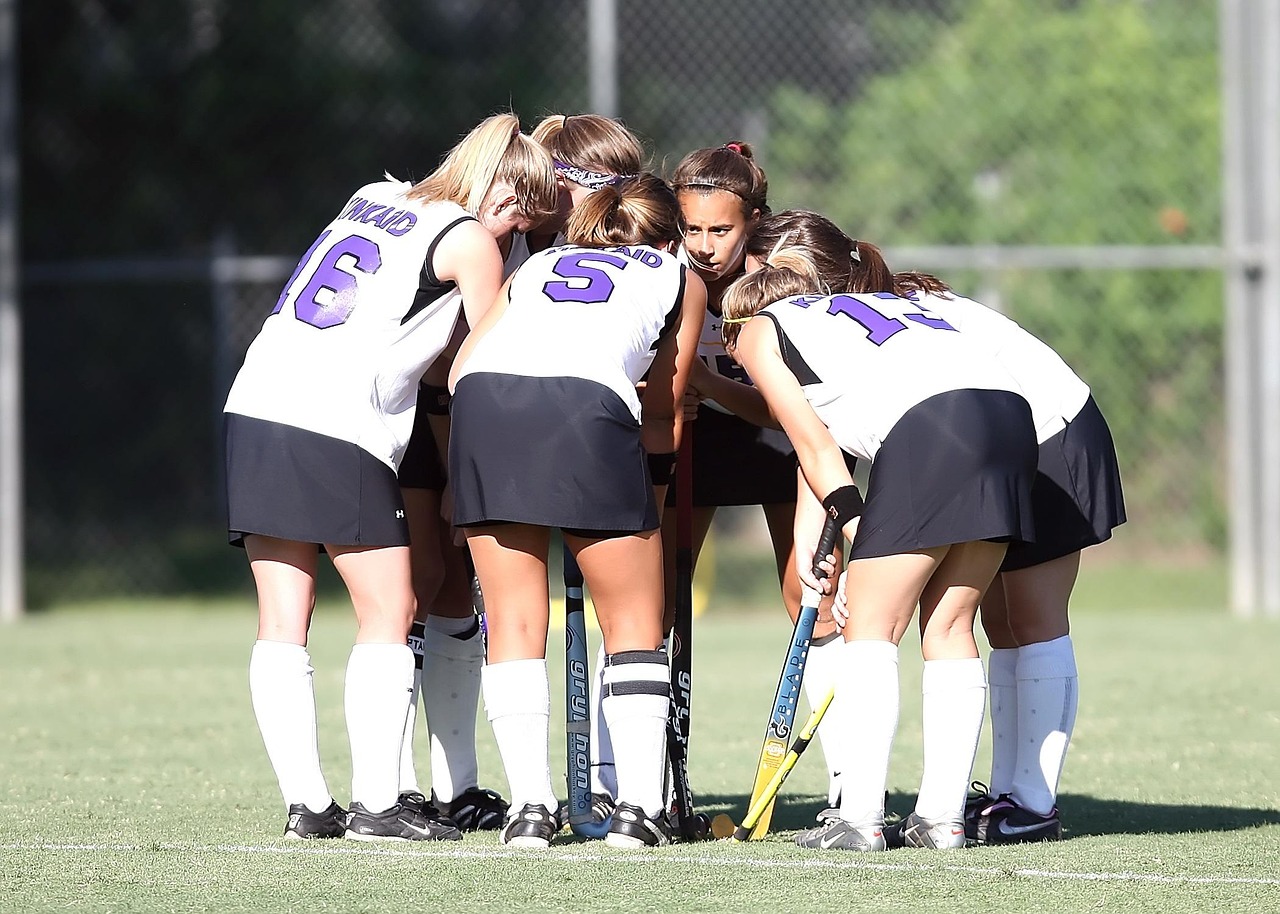
The lasting value of Ric Charlesworth’s story is that he gives field hockey a model of intelligence as a competitive weapon. Hockey is often described through speed, stamina, and technical skill, but Charlesworth’s career shows how much the sport also depends on reading the game. The best teams do not simply run harder. They recognize patterns earlier, shift shape faster, and make cleaner decisions under pressure.
That is why Charlesworth’s range matters. The doctor, politician, cricketer, player, author, and coach were not separate lives sitting next to each other. Together, they formed the profile of someone trained to diagnose problems, communicate ideas, manage groups, and think several moves ahead. Hockey Australia lists him among its Legends, a status reserved for figures whose names remain closely connected with the highest level of the sport.
Charlesworth’s legacy is not only the medal table, even though the medal table is substantial. His deeper importance is that he made coaching feel like high-performance architecture. He showed that a field hockey team could be built through skill, structure, learning, and constant adaptation. In that sense, his career remains one of the sport’s strongest arguments that hockey is not just a game of movement. It is a game of minds moving quickly together.