Punjab and field hockey identity are closely linked because the sport became more than a game across one of South Asia’s most important cultural regions. Before and after Partition, Punjabi players, schools, clubs, police teams, military institutions, and village networks helped supply talent to both Indian and Pakistani hockey. The result was unusual: one region, divided by a political border, remained central to two national hockey traditions. Punjab’s hockey story is not only about medals or famous players. It is about how a fast, skillful field sport became tied to discipline, pride, masculinity, village reputation, institutional opportunity, and national memory on both sides of the India–Pakistan border. The region helped make hockey feel local before it became Olympic history.
How Punjab Became a Hockey Heartland
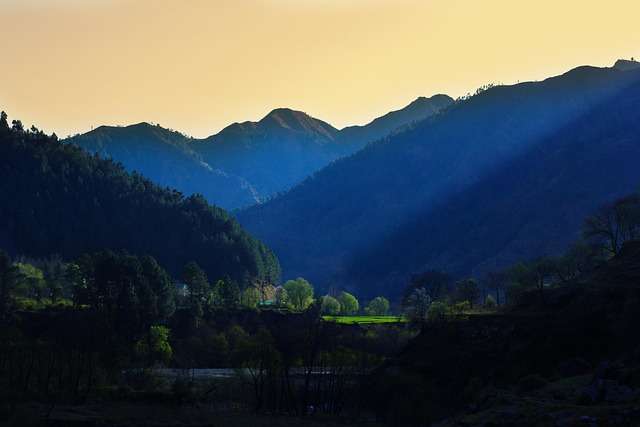
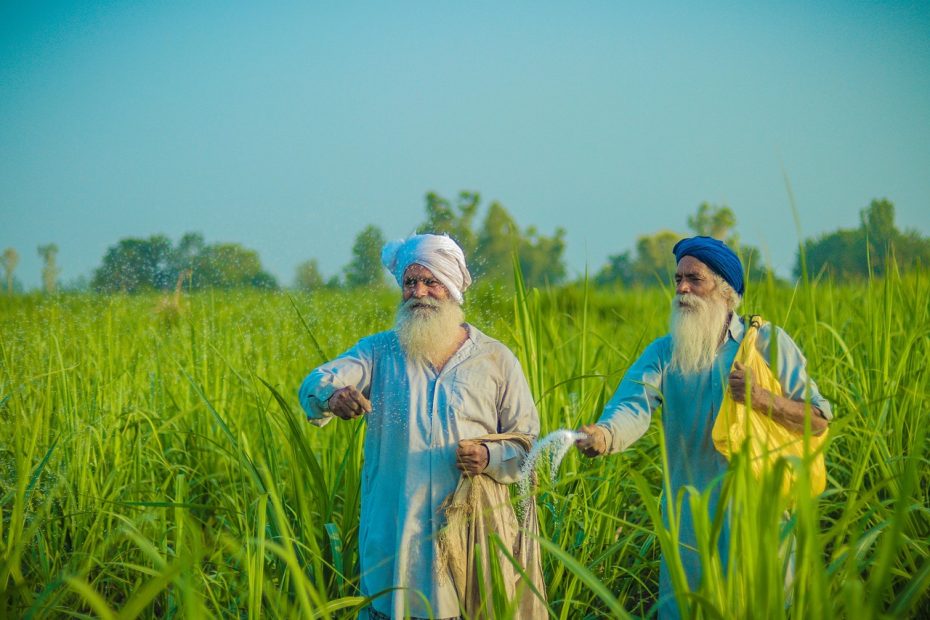
Punjab’s connection to field hockey grew from geography, institutions, and sporting culture. The wider Punjab region has long been understood as the “land of five rivers,” a fertile and heavily populated area that became deeply associated with agriculture, military service, education, and organized public life. Modern Indian Punjab is only one part of that historic region; the larger Punjabi world was divided in 1947 between India and Pakistan.
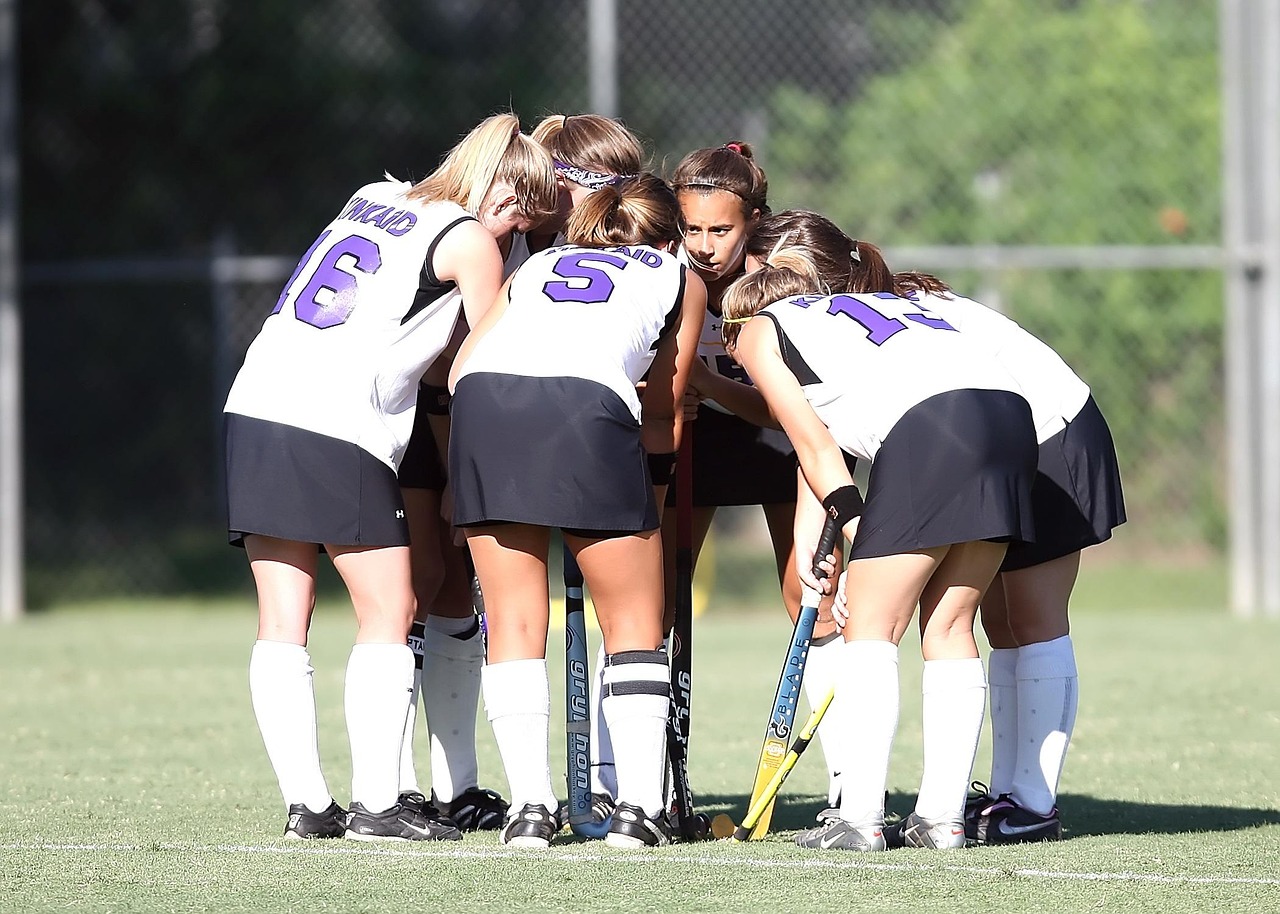
Field hockey fit that environment because it could be played in schools, colleges, police units, military settings, and local grounds. It rewarded stamina, close control, quick passing, and coordinated movement. Those qualities matched the institutional pathways that mattered in Punjab: colleges, service teams, public-sector employment, and competitive village or district pride. Hockey was not only a pastime. It could become a route into education, travel, public recognition, and government or institutional jobs.
That is why Punjab became so important to the hockey cultures of both India and Pakistan. In India, places such as Jalandhar, Sansarpur, Ludhiana, and Moga became associated with players, coaches, facilities, and family traditions in the sport. Sansarpur, near Jalandhar, became especially famous in Indian hockey memory because of the number of international players associated with the village and its surrounding hockey culture.
On the Pakistani side, Punjab’s importance was just as clear because Lahore and the broader province became central to Pakistan’s sporting infrastructure. Pakistan’s national hockey success was not only a national story; it was also connected to the athletic systems, schools, service teams, and urban centers of Punjab. The same regional habits that made hockey powerful before Partition continued to matter after Partition, even when the players were now wearing different national shirts.
The Players and Institutions That Turned Punjab Into Hockey Memory
The strongest symbol of Punjab’s hockey identity is the way individual careers became part of a larger regional story. Balbir Singh Sr., one of Indian hockey’s great Olympic figures, was born in Punjab’s Jalandhar district and became a central player in India’s post-independence hockey success. He was part of India’s Olympic gold-medal teams in 1948, 1952, and 1956, and the Olympic record still recognizes his five goals in the 1952 Olympic final as one of the great individual performances in the sport’s history.
Balbir Singh Sr. matters here because his career connects Punjab, Indian independence, and hockey’s symbolic power. India’s 1948 Olympic gold came just after independence, and hockey became one of the clearest ways for the new country to present excellence on a global stage. Punjabi players were not the whole story of Indian hockey, but they were a major part of its competitive personality and public memory.
Other Punjabi hockey figures deepened that connection. Prithipal Singh, associated with Punjab Agricultural University in Ludhiana through the stadium named after him, remains part of the state’s hockey landscape. The PAU facility has served as an important training center, with the stadium and its turf upgrades showing how hockey memory in Punjab is also tied to infrastructure, coaching, and everyday player development.
Pakistan’s hockey story gave Punjab another layer of meaning. Pakistan won Olympic men’s field hockey gold in 1960, 1968, and 1984, along with major Asian Games and Champions Trophy success. Its 1960 Olympic victory over India in Rome was especially powerful because it gave Pakistan its first Olympic gold medal in any sport and placed hockey at the center of national pride.
That India-Pakistan hockey rivalry carried extra emotional weight because Punjab sat on both sides of the border. The rivalry was never only a sporting contest between two teams. It also reflected shared sporting roots, divided histories, and competing national identities built partly from the same regional hockey culture. The skills, styles, and institutions that helped build players in Punjab were feeding one of the most intense rivalries in world field hockey.
Why Punjab and Field Hockey Identity Still Matter
Punjab and field hockey identity still matter because the region explains why hockey has such deep cultural memory in India and Pakistan even when cricket dominates modern attention. Hockey was once the clearest symbol of international sporting excellence for both countries. India’s Olympic hockey record and Pakistan’s Olympic, World Cup, and Asian Games achievements gave the sport a prestige that reached beyond normal fan interest.
In Indian Punjab, hockey continues to carry a special place in public life. Recent attention to facilities, state sports funding, and hockey events in places such as Mohali, Ludhiana, and Jalandhar shows that the sport still has institutional and emotional value in the region. Punjab’s sports budget expansion and infrastructure plans have also reinforced the idea that the state wants to remain a serious producer of athletes, including hockey players.
The modern challenge is that hockey no longer sits alone at the center of South Asian sporting imagination. Cricket has become the larger commercial and media force. Synthetic turf, professional training costs, changed school priorities, and uneven facilities have also made elite hockey development more complicated than it was in the grass-field era. But that shift makes Punjab’s hockey identity more important, not less. It preserves a memory of a time when field hockey was one of the region’s strongest routes to international recognition.
Punjab’s hockey story also shows how sport can survive political division. The border created two national systems, two flags, and two rival teams, but it did not erase the deeper regional connection. Punjabi hockey culture helped shape India’s golden generations and Pakistan’s rise as a world power. That shared foundation gives the rivalry more depth and gives the sport a cultural geography that cannot be explained only through national medal tables.
Punjab remains one of field hockey’s essential regions because it gave the sport players, institutions, rivalries, and meaning on both sides of the India-Pakistan border. Its hockey identity is built from villages, colleges, service teams, Olympic finals, and family memory. The game became a way for Punjab to see itself as strong, skilled, disciplined, and globally visible.