Pakistan’s field hockey golden age was one of the great eras in international sport. For several decades, Pakistan was not simply competitive; it was a standard-setter. The national team won Olympic gold in 1960, 1968, and 1984, claimed World Cup titles in 1971, 1978, 1982, and 1994, and became one of the defining forces in Asian hockey. Its rivalry with India gave the sport emotional weight, while its speed, stick skill, passing, and attacking rhythm gave Pakistan a style that fans could recognize. Pakistan’s field hockey story matters because it shows how a national team can become more than a team. It became a symbol of excellence, identity, and sporting imagination.
How Pakistan Built a Hockey Identity After Partition
Field hockey already had deep roots in the subcontinent before Pakistan became independent in 1947. The sport had been developed through schools, clubs, army institutions, and colonial-era competition, and both India and Pakistan inherited a serious hockey culture. That inheritance mattered because Pakistan did not have to invent the sport from nothing. It had players, audiences, competitive habits, and a shared understanding that hockey could carry national prestige.
Pakistan’s early Olympic record shows how quickly the new country became a force. The team won silver at the 1956 Melbourne Olympics, then broke through with gold at Rome in 1960. That victory mattered beyond the medal table. India had dominated Olympic hockey for decades, and Pakistan’s rise gave the subcontinent’s hockey story a new internal rivalry. The 1960 gold showed that Pakistan could beat the best teams in the world and could build a national sporting identity around hockey.
The India rivalry gave Pakistan’s hockey golden age its sharpest emotional frame. Matches between the two countries were never just ordinary fixtures. They carried history, border tension, shared sporting inheritance, and national pride. Pakistan and India met repeatedly in major tournament settings, including Asian Games and Asia Cup finals, turning hockey into one of the great sporting stages for South Asian competition.
That rivalry also helped define Pakistan’s style. Pakistan’s best teams were remembered for skill, movement, and attacking confidence. They could play with speed, use tight stick work, and turn possession into pressure. At their peak, they were not just winning because of physical strength or defensive control. They were winning because they made field hockey feel fluid, technical, and expressive.
The World Cups and Olympic Runs That Made Pakistan a Superpower
Pakistan’s status as a field hockey superpower came from sustained achievement across different eras. The Olympic record alone would have made Pakistan one of the sport’s historic powers: gold in 1960, gold in 1968, gold in 1984, silver in 1956, 1964, and 1972, and bronze in 1976 and 1992. Eight Olympic medals in men’s hockey made the sport central to Pakistan’s Olympic identity for generations.
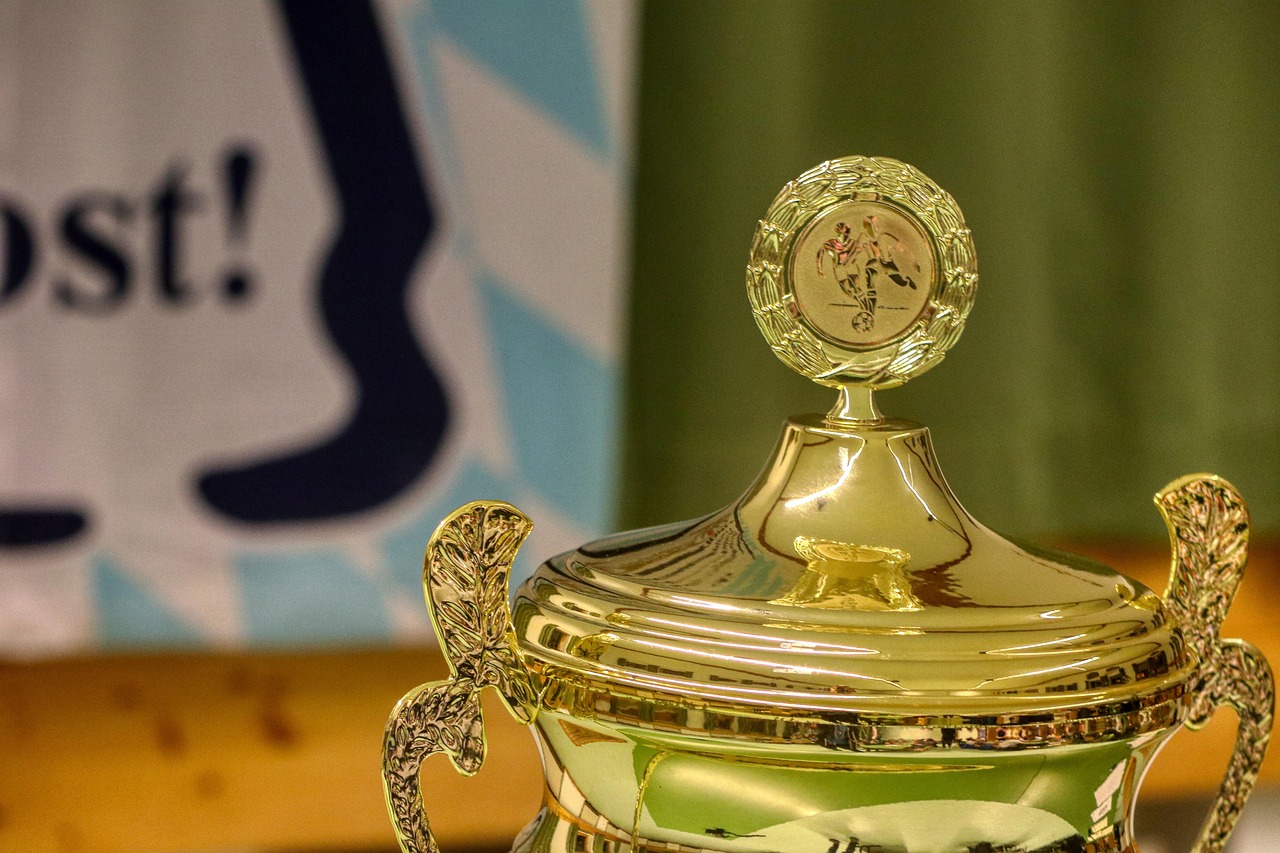
The World Cup record made the legacy even larger. Pakistan won the first Men’s Hockey World Cup in 1971, then added titles in 1978, 1982, and 1994. That remains the men’s World Cup record, with Pakistan still listed as the most successful nation in the tournament’s history with four titles.
Those trophies matter because they show that Pakistan’s dominance was not tied to one generation or one tournament. The country succeeded in Olympic hockey, World Cup hockey, Asian Games hockey, and the Champions Trophy. Pakistan also won the men’s Champions Trophy three times, in 1978, 1980, and 1994, further proving that its golden age stretched across several competitive formats.
The 1970s and early 1980s were especially important. Pakistan won the 1971 World Cup, reached the 1975 final, won again in 1978, won again in 1982, and then captured Olympic gold at Los Angeles in 1984. That sequence placed Pakistan at the center of world hockey. It also gave the country a sporting identity that could stand alongside cricket, even though cricket would later become Pakistan’s dominant national sports obsession.
The 1994 World Cup title gave the golden age one more major chapter. By then, international hockey had changed. Artificial turf, European tactical development, Australian athleticism, and modern training structures had altered the game. Pakistan’s 1994 triumph showed that the country’s hockey tradition still had enough elite quality to win the sport’s biggest global tournament.
Why Pakistan’s Hockey Golden Age Still Carries National Meaning
Pakistan’s field hockey golden age still matters because it represents a version of the country as a global sporting leader. In that era, Pakistan did not have to explain its place in the game. It was one of the teams everyone else measured themselves against. The green shirt meant speed, skill, danger, and history.
The meaning became even stronger because hockey was tied to national pride. Pakistan’s Olympic medals came at moments when international sport offered a young country a visible global platform. Winning against India, Europe, Australia, and other hockey powers gave Pakistan a language of excellence that ordinary fans could understand. The sport became part of how the country imagined itself: competitive, talented, and capable of beating anyone.
The later decline of Pakistan hockey has made the golden age feel even more important. Pakistan missed the men’s Hockey World Cup in 2014 and 2023, a sharp contrast with the decades when it was one of the tournament’s central powers. That absence shows how much the global game changed and how difficult it became to maintain elite systems without sustained investment, modern infrastructure, and high-level competition.
Yet the legacy has not disappeared. Pakistan’s hockey history is still one of the richest in the sport. The Olympic medals, World Cup titles, Champions Trophy victories, Asian Games success, and rivalry with India remain part of field hockey’s global memory. When Pakistan returns to major competitions or faces India, the match still carries echoes of a time when Pakistan was not chasing the hockey world. It was helping define it.
Pakistan’s field hockey golden age was built from medals, style, rivalry, and national belief. The team gave Pakistan some of its greatest Olympic moments and made the country the most successful men’s World Cup nation in hockey history. That is why the phrase still carries weight: Pakistan was not just good at field hockey. For a long stretch of the sport’s modern history, Pakistan was one of the teams that made the game feel global.