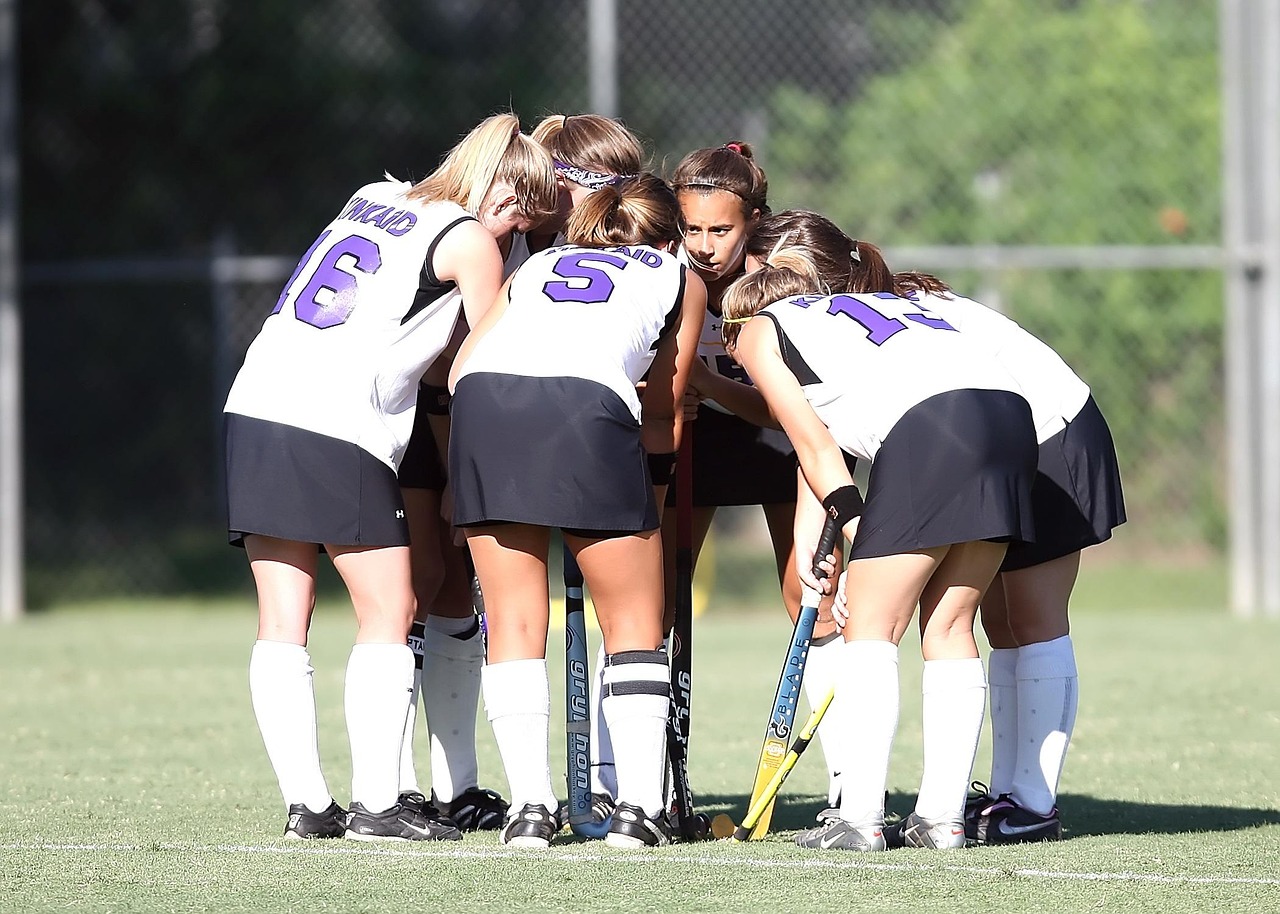
Odisha and India’s field hockey heartland are now closely connected because the state has become one of the sport’s most important modern support systems. Indian hockey has older roots in Punjab, Mumbai, Bhopal, Jharkhand, Manipur, and other strong hockey regions, but Odisha has taken on a different role: sponsor, host, builder, and national-stage organizer. Since 2018, the Odisha government has backed India’s men’s and women’s national hockey teams, while Bhubaneswar and Rourkela have become major homes for international tournaments and elite facilities. That makes Odisha more than a successful host. It has become a case study in how a state can turn sporting culture into infrastructure, visibility, and national identity.
How Odisha Became Central to Indian Hockey
Odisha’s hockey story did not begin with a sponsorship deal. The state already had deep field hockey roots, especially in western Odisha and the tribal belt around Sundargarh, a district often associated with some of India’s strongest hockey culture. Hockey in these communities has long been connected to school fields, local tournaments, railway and public-sector teams, and a strong tradition of producing disciplined, technically capable players.
What changed in the late 2010s was the scale of Odisha’s commitment. In 2018, the state government became the official partner of India’s men’s and women’s national hockey teams. That mattered because national-team sponsorship is usually associated with corporations, not a state government. Odisha stepped into a space where public investment, regional pride, and national sport could overlap. The partnership was later extended for another 10 years, turning what could have been a short promotional arrangement into a long-term identity project.
The result was a new kind of Indian hockey geography. Odisha was not claiming to be the only home of Indian hockey. Instead, it became the place where Indian hockey could be staged, funded, celebrated, and projected outward. That distinction matters. A country can have many hockey-producing regions, but only a few places become national theater. Odisha deliberately moved into that role.
The Stadiums and Tournaments That Made Odisha a Hockey Stage
The clearest symbol of Odisha’s rise is its tournament infrastructure. Bhubaneswar’s Kalinga Stadium became one of Indian hockey’s most recognizable venues, while Rourkela’s Birsa Munda Hockey Stadium gave Odisha a second major hockey center. The 2023 Men’s FIH Hockey World Cup was staged in Bhubaneswar and Rourkela from January 13 to January 29, 2023, making Odisha the center of the global men’s game for that tournament window.
The Rourkela project was especially important because it placed elite hockey infrastructure closer to one of Odisha’s strongest hockey regions. Birsa Munda Hockey Stadium was built for the 2023 World Cup, and Guinness World Records recognized it as the largest fully seated hockey stadium, with 20,011 permanent seats, verified on January 29, 2023.
That gave Odisha’s hockey project a two-city shape. Bhubaneswar offered the capital-city sports hub, with Kalinga Stadium already established as a major venue. Rourkela connected the World Cup to western Odisha’s hockey culture and to a region where the game had deeper grassroots meaning. The geography mattered because it prevented Odisha’s hockey identity from being only a capital-city branding exercise. It linked elite sport to a broader state narrative.
Odisha’s role also extends beyond a single World Cup. The state has hosted major international hockey events, and the Kalinga Lancers’ presence in the Hockey India League gives the state a professional-franchise layer as well. When the Kalinga Lancers won the men’s Hockey India League title at Kalinga Stadium in 2026, it added another piece to the state’s hockey profile: not just sponsor and host, but home crowd and club identity.
Why Odisha’s Field Hockey Heartland Still Matters
Odisha matters to Indian field hockey because it shows how modern sports power can be built through a full ecosystem. The state’s influence is not only about producing players. It is about connecting national-team sponsorship, event hosting, stadium development, state branding, professional hockey, and grassroots symbolism into one visible hockey platform.
That changes the way Indian hockey is seen. For decades, Indian hockey carried the memory of Olympic dominance, followed by long periods of uneven performance and institutional frustration. Odisha’s investment helped give the sport a more stable public stage at a time when India needed hockey to feel visible, modern, and professionally supported again. The sponsorship of both national teams also mattered symbolically because it placed the men’s and women’s programs under the same public banner.
Odisha’s rise also complicates the idea of a single “heartland.” Indian hockey has never belonged to only one place. Punjab, Jharkhand, Manipur, Madhya Pradesh, Maharashtra, Haryana, and other regions all have legitimate claims within the larger history. Odisha’s modern claim is different. It is the heartland as host, patron, and amplifier. It has taken a sport with national memory and given it a concentrated contemporary home.
That is why Odisha and India’s field hockey heartland belong together as a modern sports story. Odisha did not invent Indian hockey, and it does not own the sport’s entire past. Its importance comes from what it has built around the game: facilities, sponsorship, tournament visibility, and a public identity that treats hockey as a state priority. In modern Indian sport, that makes Odisha one of field hockey’s most important power bases.