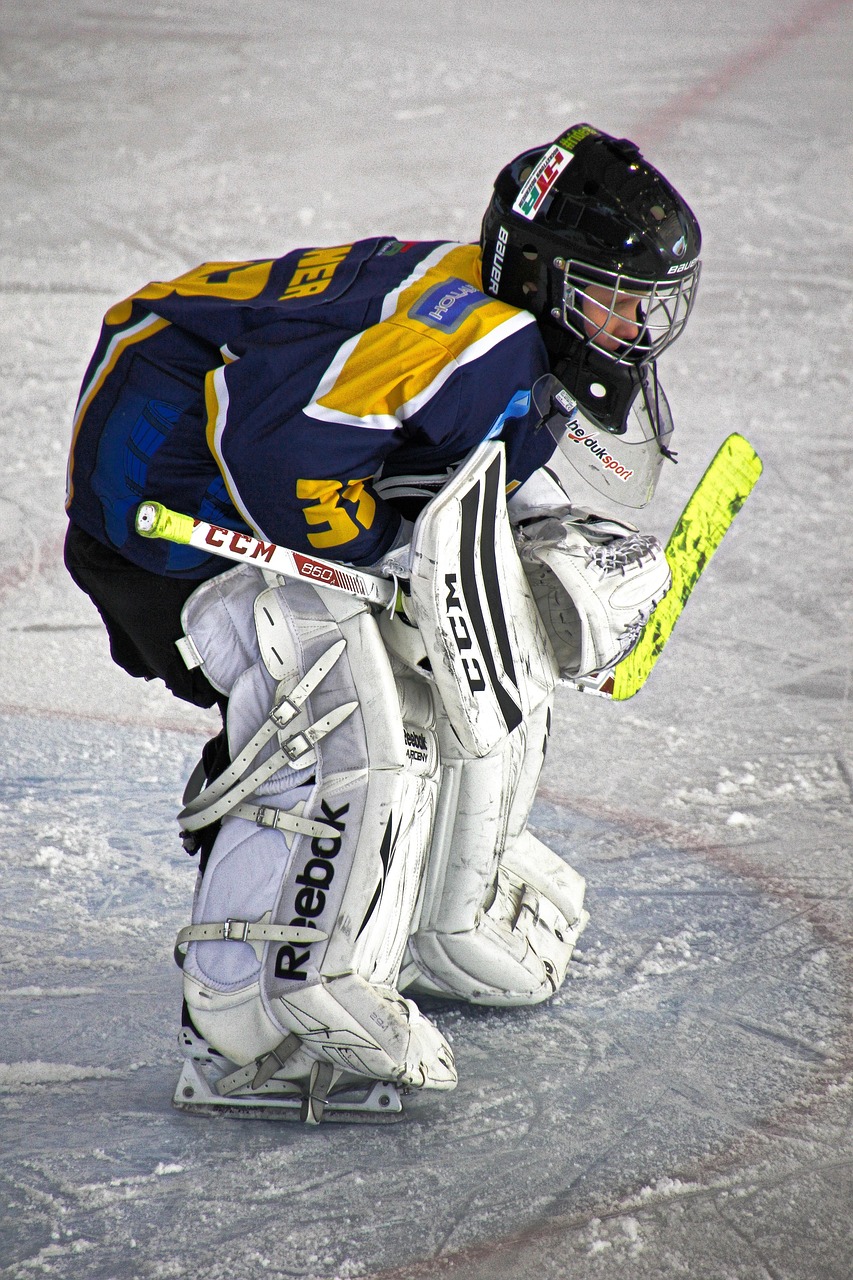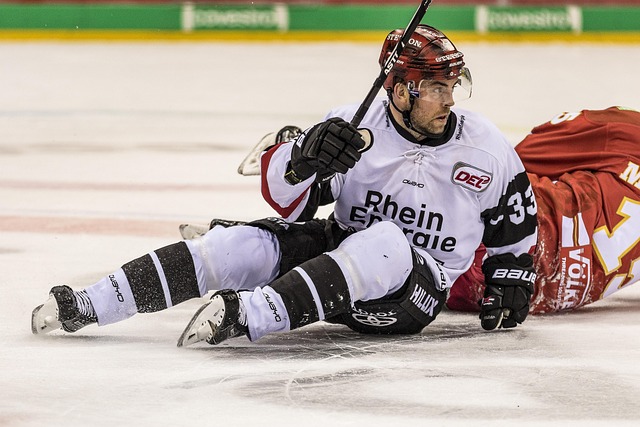
Minnesota as the State of Hockey is not just a slogan attached to a professional team. It is a statewide sports identity built from community rinks, school pride, college programs, outdoor winter culture, and generations of players who learned the game before the NHL ever became the center of the story. The Minnesota North Stars gave the state a major-league hockey team, and their relocation to Dallas left a deep wound, but Minnesota hockey never depended on one franchise alone. That is what makes the state’s hockey culture different. The Wild inherited an audience that had already built the sport into local life, from youth associations to packed high school tournaments to college arenas that feel like civic institutions.
The Community Rinks Behind Minnesota as the State of Hockey
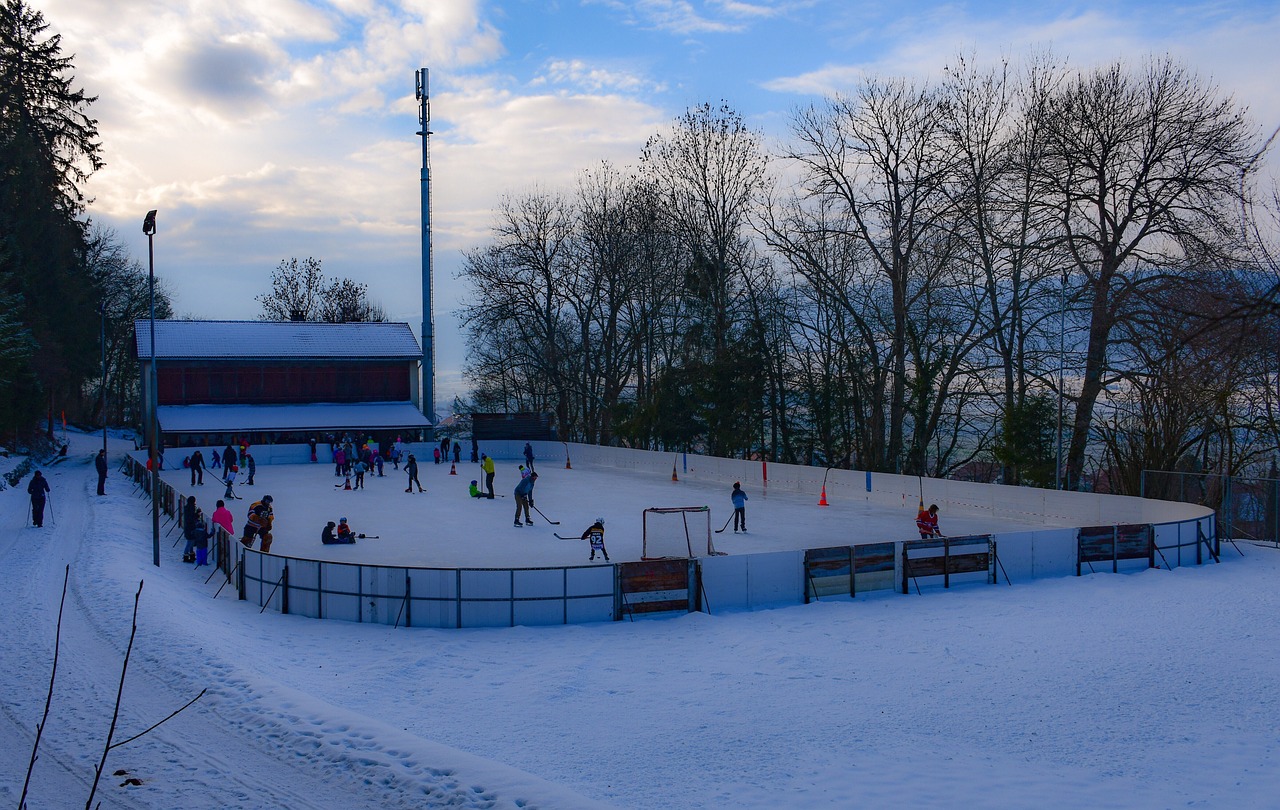
Minnesota’s hockey identity begins close to home. The sport is not only watched in the state; it is organized through local associations, school programs, neighborhood rinks, and winter routines. Minnesota Hockey has described the state’s youth hockey ecosystem as being built around nonprofit community associations, publicly funded rinks, and a high school hockey culture that gives young players a local team to grow up inside.
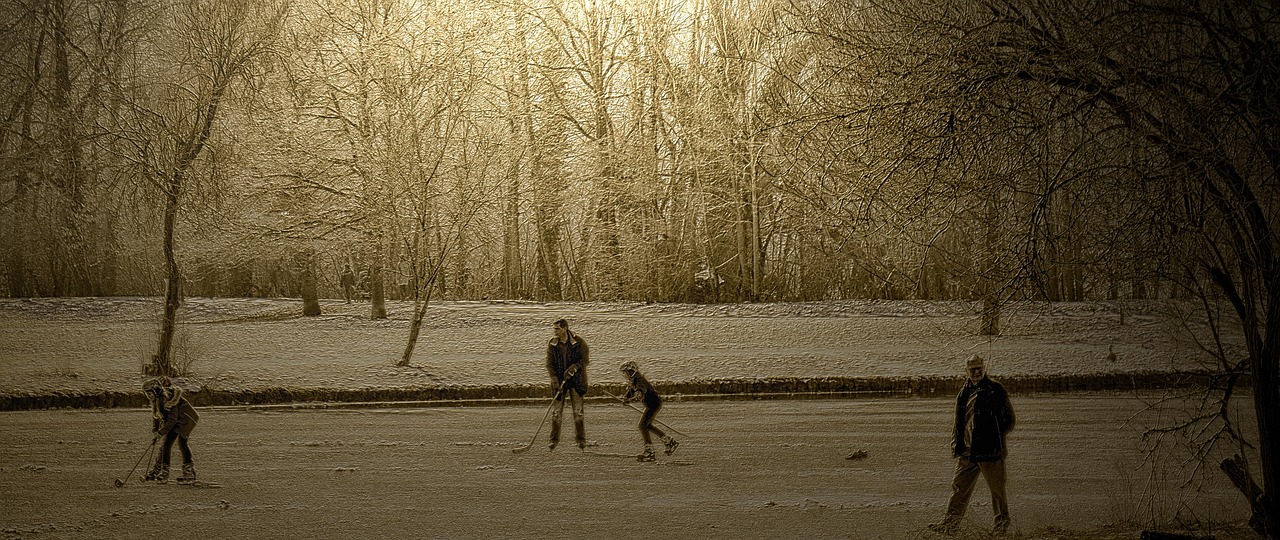
That community model matters because it makes hockey feel less like a private club sport and more like a shared civic activity. In many American states, hockey is something families discover through travel teams, indoor facilities, or professional franchises. In Minnesota, the sport has a different social foundation. Players often begin with the same kids they see at school, families build winter schedules around practices and tournaments, and towns treat the rink as a gathering place.
The high school game is the clearest public expression of that culture. Minnesota high school hockey dates back to the late nineteenth century, with organized play beginning in the 1890s and early state championship traditions forming by the early twentieth century. The modern boys’ state tournament has become one of the state’s defining sports events, drawing more than 135,000 fans annually to Grand Casino Arena, according to Explore Minnesota.
That number explains why “State of Hockey” has power. It is not only about elite players reaching the NHL. It is about the fact that teenagers can play in front of crowds, towns can see themselves represented on a major stage, and local rivalries can feel connected to a statewide tradition. The tournament turns school hockey into public memory. It gives Minnesota hockey a calendar, a stage, and a shared language.
College hockey adds another layer. Programs such as Minnesota, Minnesota Duluth, St. Cloud State, Minnesota State, Bemidji State, and St. Thomas give the state multiple high-level hockey identities rather than one centralized hierarchy. A player can grow up in a town program, star in high school, stay in-state for college, and become part of a hockey lineage that fans recognize. That continuity helps explain why Minnesota’s hockey identity feels unusually durable. It is not built around one team’s win-loss cycle. It is built around a pipeline.
The North Stars Wound and the Wild’s New Inheritance
The Minnesota North Stars gave the state its first NHL identity, arriving as part of the league’s 1967 expansion. The team played in Bloomington, reached the Stanley Cup Final in 1981 and 1991, and became the professional face of Minnesota hockey for 26 seasons before relocating to Dallas after the 1992–93 season.
The move hurt because it did not happen in a weak hockey market with no emotional claim to the sport. It happened in a state where hockey already sat deep in the culture. That is why the North Stars’ departure occupies such a strange place in Minnesota sports memory. The franchise left, but the sport did not. The NHL team moved south, but the high school tournament, college programs, youth associations, and winter rinks remained.
That separation is central to Minnesota as the State of Hockey. In many places, losing an NHL team might have damaged the sport’s visibility for a generation. In Minnesota, it created a different kind of absence. Fans could still watch elite hockey, attend local games, follow college programs, and produce players, but the professional symbol was gone. The state had hockey without its NHL home.
When the NHL awarded Minnesota an expansion franchise in 1997, with the Wild beginning play in the 2000–01 season, the new team did not have to introduce the sport. It had to re-enter a hockey culture that already existed. The Wild’s name, branding, and “State of Hockey” identity reflected that inheritance. The franchise was not selling Minnesota on hockey; it was trying to represent Minnesota’s existing relationship with hockey.
That has made the Wild’s identity more complicated than a normal expansion team’s. The North Stars still carry emotional force because they were the original NHL vessel for Minnesota hockey. Their colors, logo, Met Center memories, and relocation story remain part of the state’s sports imagination. The Wild, meanwhile, represent restoration: NHL hockey returned, but not as a simple continuation. The team had to build its own history while acknowledging that part of Minnesota’s NHL past now officially belongs to the Dallas Stars.
The Wild have repeatedly drawn on that memory. The franchise has honored North Stars history through warmup jerseys and alternate uniforms, including North Stars-inspired “Reverse Retro” designs and later “The 78s” alternate look. That connection works because the North Stars are not just a defunct team in Minnesota memory. They are part of the emotional architecture the Wild inherited.
Why Minnesota Hockey Still Means More Than One Team
Minnesota’s State of Hockey identity survives because it is distributed. The Wild matter, but they are not the whole structure. The North Stars mattered, but their departure did not erase the culture. High school hockey, college hockey, youth hockey, community rinks, and professional hockey all reinforce one another.
That is why Minnesota can host major hockey events without needing to prove its credentials. The Twin Cities are hosting the 2026 IIHF World Junior Championship at Grand Casino Arena in St. Paul and 3M Arena at Mariucci in Minneapolis, linking international junior hockey to two venues that already sit inside the state’s hockey geography. Grand Casino Arena itself, formerly Xcel Energy Center, has been the Wild’s home since the franchise began play, and its 2025 naming-rights change did not alter its position as one of the central stages of Minnesota hockey.
The broader point is that Minnesota hockey has multiple centers of gravity. A small-town high school rink can matter. A packed state tournament game can matter. A Gophers game at Mariucci can matter. A Wild playoff game in St. Paul can matter. A North Stars sweater can still mean something decades after the team left.
That layered identity gives Minnesota hockey unusual resilience. Professional disappointment does not define the whole culture. The Wild have had periods of regular-season stability without deep postseason success, and the North Stars left before winning the Stanley Cup in Dallas, but the state’s hockey identity does not collapse around those facts. It is not only a championship culture. It is a participation culture, a memory culture, and a development culture.
Minnesota as the State of Hockey matters because it shows how a sport can become regional identity without being owned by one franchise. The NHL is important there, but it is not the root system. The root system is the rink, the school, the town, the college program, the winter schedule, and the memory of teams that stayed in people’s lives even after they left the state.
Minnesota’s hockey story is powerful because it is both local and major league at the same time. The North Stars gave the state a professional past, the Wild gave it a professional return, and the community game gave it something stronger than either franchise alone: a hockey culture that could survive loss, absorb renewal, and still call itself the State of Hockey.