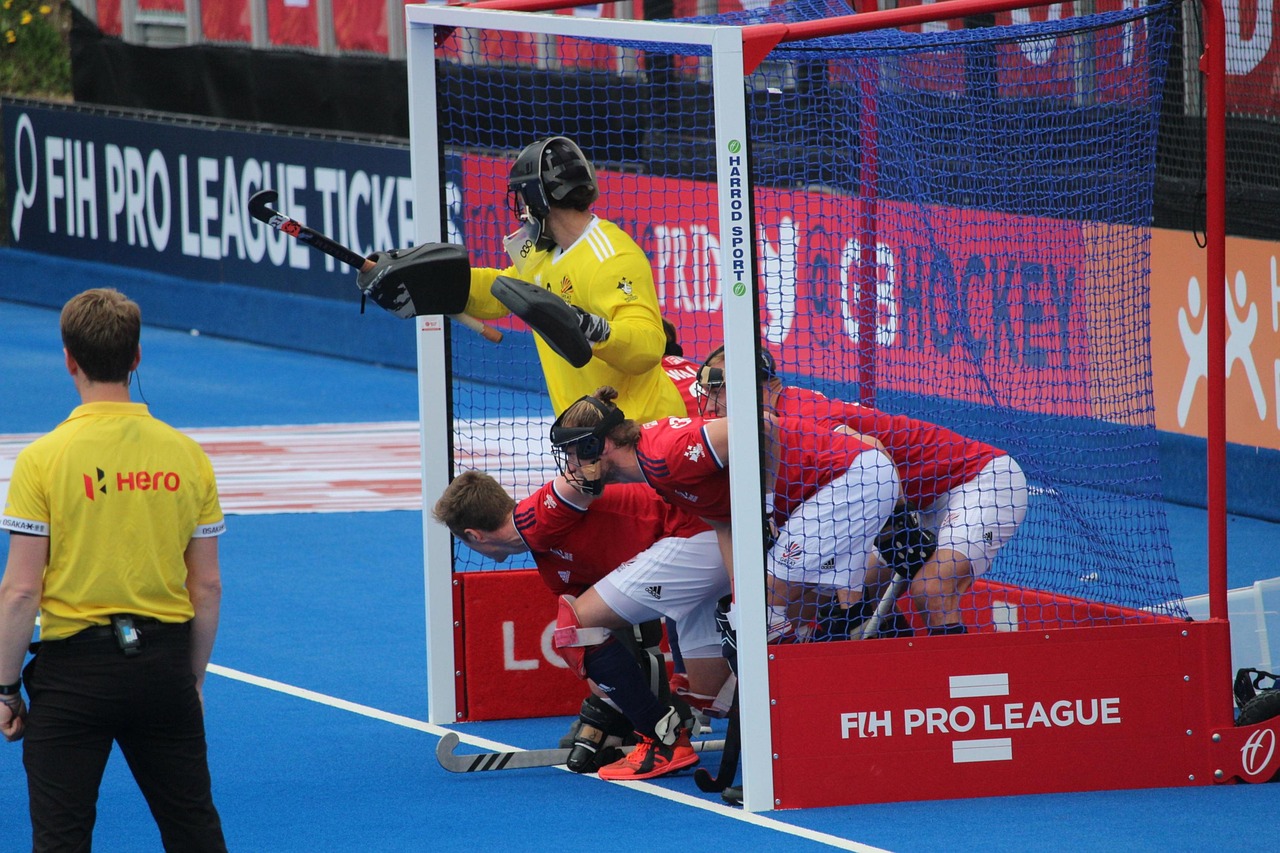
Maddie Hinch and the Goalkeeper Hero Game is the story of a rare Olympic final where the most dramatic figure was not a goalscorer, captain, or attacking star, but the player standing alone in front of the net. In the women’s field hockey final at Rio 2016, Great Britain faced the Netherlands, the defending Olympic champion and one of the sport’s strongest powers. The match finished 3-3 after regulation, but the gold medal was decided in a shootout. That was where Hinch turned pressure into control, stopping every Dutch attempt as Great Britain won its first Olympic women’s hockey gold medal.
The Olympic Final Built for a Goalkeeper’s Moment
Great Britain’s women arrived at the Rio 2016 final after a perfect run through the tournament. They had won every match on the way to the gold-medal game, including a semifinal victory over New Zealand that sent the program into its first Olympic women’s hockey final. Across from them stood the Netherlands, a powerhouse team with a deep Olympic history and the confidence of a defending champion.
That contrast gave the final its tension. Great Britain was not an accidental finalist, but the Netherlands carried the weight of a team used to playing for gold. The match itself reflected that imbalance in experience but not in belief. The Dutch led 2-1 and later 3-2, and they created repeated danger through penalty corners. Great Britain kept answering, forcing the game to 3-3 and pushing the final into the most compressed form of pressure in field hockey: the shootout.
For a goalkeeper, that format is both exposed and powerful. There is no defensive structure to hide behind, no midfield pressure, no slow build-up. The goalkeeper has to read the attacker, close space, stay balanced, and make decisions in seconds. Hinch’s role was already central during regulation, but the shootout made it absolute. The final had become a direct contest between Dutch attackers and one British goalkeeper.
The Shootout That Made Maddie Hinch the Story
The shootout ended 2-0 to Great Britain. Helen Richardson-Walsh and Hollie Pearne-Webb scored for Britain, but the defining fact of the tiebreaker was that the Netherlands did not score at all. Hinch saved four Dutch attempts, shutting out one of the world’s best attacking teams at the exact moment when every touch carried Olympic weight.
That is what made the game feel different from a normal team victory. Great Britain’s gold was built across the whole tournament, and the final included major contributions from several players. But the shootout created a clean visual memory: Hinch alone, reading each move, denying each attempt, and tightening her control over the moment with every save.
Her performance also mattered because it changed the emotional shape of the final. In a shootout, the team that fails to score first can begin to feel the pressure multiplying. Hinch made that pressure fall on the Netherlands. Each save made the next Dutch attempt heavier. Each denial gave Great Britain’s shooters more room to believe that one successful finish could be decisive.
The final penalty from Pearne-Webb completed the moment, giving Great Britain the gold and turning the goalkeeper’s performance into one of the central images of the Rio Games. The match had already been dramatic at 3-3, but the shootout gave it a sharper ending: a goalkeeper taking over the smallest, loudest stage in the sport.
Why Maddie Hinch and the Goalkeeper Hero Game Still Matters
Maddie Hinch and the Goalkeeper Hero Game still matters because it showed how field hockey can produce a different kind of Olympic hero. In many sports, the lasting image belongs to the player who scores the winning goal. In this final, the lasting image belonged to the player who prevented goals from happening.
That matters for how goalkeeping is understood. The position is often discussed in terms of reaction, bravery, and reflexes, but Hinch’s Rio performance also showed the mental and tactical side of the role. A shootout is not just a series of dives. It is reading body shape, anticipating skill choices, managing distance, and staying composed while the entire match narrows to one attacker and one goalkeeper.
The result also changed the place of British women’s hockey in Olympic memory. Great Britain’s win was historic because it was the program’s first Olympic women’s hockey gold medal. Great Britain Hockey later described the Rio victory as a moment that made household names of players including Hinch, Hollie Pearne-Webb, Kate Richardson-Walsh, Helen Richardson-Walsh, and Alex Danson.
Hinch’s performance became the clearest symbol of that breakthrough. It gave the sport a highlight that was easy to understand even for casual viewers: the goalkeeper stopped everything when gold was on the line. That simplicity is part of why the story has lasted. It does not require a deep knowledge of field hockey systems to understand the pressure of a shootout or the scale of a goalkeeper refusing to be beaten.
The Rio final was a team triumph, but Maddie Hinch gave it its defining shape. Great Britain won gold because it survived a 3-3 final against a Dutch powerhouse, then trusted its goalkeeper in the most exposed moment in the sport. Hinch turned the shootout into her own stage, and the result became one of Olympic hockey’s clearest examples of how a goalkeeper can decide history.