The Hockey Game That Refused to End is the simplest way to understand the Easter Epic, the 1987 playoff marathon between the New York Islanders and Washington Capitals. It was Game 7 of the Patrick Division semifinals, played at the Capital Centre in Landover, Maryland, and it stretched from Saturday night, April 18, into the early hours of Easter Sunday, April 19. The Islanders won 3–2 when Pat LaFontaine scored at 8:47 of the fourth overtime, ending one of the longest and most memorable games in Stanley Cup playoff history.
Why Islanders-Capitals Needed One More Game
The Easter Epic mattered before it became a marathon because it was already a Game 7. The Islanders and Capitals were not playing an ordinary first-round game; they were trying to close a series that had already tilted, turned, and tightened. Washington had pushed New York to the edge, but the Islanders forced the deciding game after trailing the series 3–1. That alone gave the night its first layer of pressure.
The matchup also carried a deeper hockey context. The Islanders were no longer the dynasty that had won four straight Stanley Cups earlier in the decade, but they still carried the muscle memory of a championship organization. The Capitals were trying to push through a familiar playoff opponent and turn home ice into a final advantage. By the time the puck dropped in Landover, the game already had the shape of a test: one team trying to extend an era, the other trying to move past it.
Regulation built the tension slowly. Washington led 1–0 after Mike Gartner scored late in the first period. Patrick Flatley tied it for the Islanders in the second, but Grant Martin restored the Capitals’ lead before the intermission. Bryan Trottier tied the game in the third period, and from there the night entered sudden death tied 2–2. The official box score preserves the clean outline, but the emotional reality was less clean: one goal would decide a series, and nobody could find it.
The Hockey Game That Refused to End After Regulation
The first overtime did not settle it. Neither did the second. Neither did the third. The longer the Easter Epic continued, the less it felt like a normal playoff game and the more it became a separate physical ordeal. Hockey’s sudden-death format is built to create instant finality, but that night kept delaying the final moment.
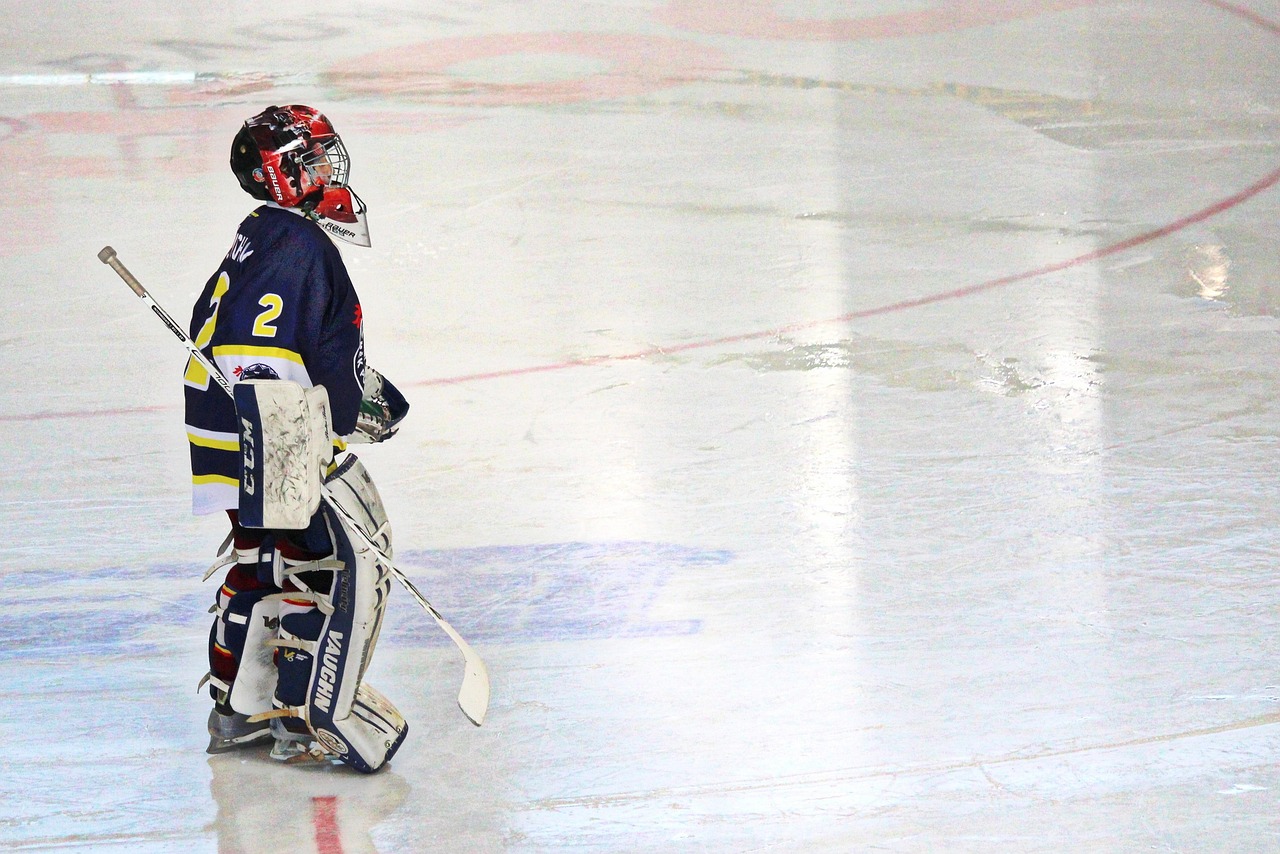
The goaltenders became the center of the story. Kelly Hrudey, in the Islanders’ net, made 73 saves, an Islanders franchise record according to the team’s own historical account. Bob Mason, in goal for Washington, kept answering at the other end. The game became less about systems and more about refusal: refusing the next shot, refusing the next rebound, refusing the next chance to end the season.
That is part of why the Easter Epic has lasted in hockey memory. A long overtime game creates a strange kind of suspense. The drama does not build in a straight line; it circles. Every rush might be the ending. Every save resets the whole story. Every missed chance becomes more important because the players have less energy to create another one.
By the fourth overtime, the game had crossed into the rarest territory of playoff hockey. The Islanders’ official history describes LaFontaine’s goal as coming at 8:47 of quadruple overtime, ending the longest game in Islanders history. NHL video records the moment simply: LaFontaine scored in the fourth overtime to win Game 7 for the Islanders over the Capitals. The simplicity of that sentence almost hides the scale of the event.
LaFontaine’s winner came from distance, through traffic, after hours of missed chances and stopped shots. It was not a clean breakaway or a scripted final scene. It was a playoff overtime goal in its purest form: a puck through bodies, a goaltender screened, a shot that found its way through the only opening that mattered.
Why the Easter Epic Still Feels Larger Than One Goal
The Easter Epic endures because it gives hockey one of its clearest examples of exhaustion becoming history. The final score was only 3–2, but the game’s meaning comes from duration. It asked how long players could keep skating, how long goaltenders could keep seeing the puck, and how long a playoff series could remain suspended between survival and elimination.
It also belongs to a specific kind of hockey memory: the long night. Hockey has plenty of famous goals, famous fights, famous dynasties, and famous rivalries. The Easter Epic is remembered differently. It is remembered as a shared experience of waiting for resolution. Fans, players, coaches, broadcasters, and officials were all pulled into the same extended clock.
For the Islanders, the game became proof that the franchise still had something left from its championship years: not the same dominance, but the same competitive stubbornness. For the Capitals, it became one of those painful playoff memories that linger because the team was so close, for so long, without getting the final goal. That is the particular cruelty of sudden death. A team can survive for nearly seven periods and still leave with only the loss.
The Easter Epic is also a reminder that hockey’s playoff identity is built around endurance as much as skill. The sport celebrates speed, creativity, and force, but its longest nights are remembered because they strip the game down to persistence. By the fourth overtime, tactics still matter, but composure matters more. Legs fade. Hands tighten. The next ordinary shot can become permanent.
That is why The Hockey Game That Refused to End remains such a strong headline for the Easter Epic. It captures the feeling of a game that kept resisting closure until Pat LaFontaine finally gave it an ending. The goal mattered because it won the series. The night mattered because it showed how far a hockey game can stretch before history finally arrives.