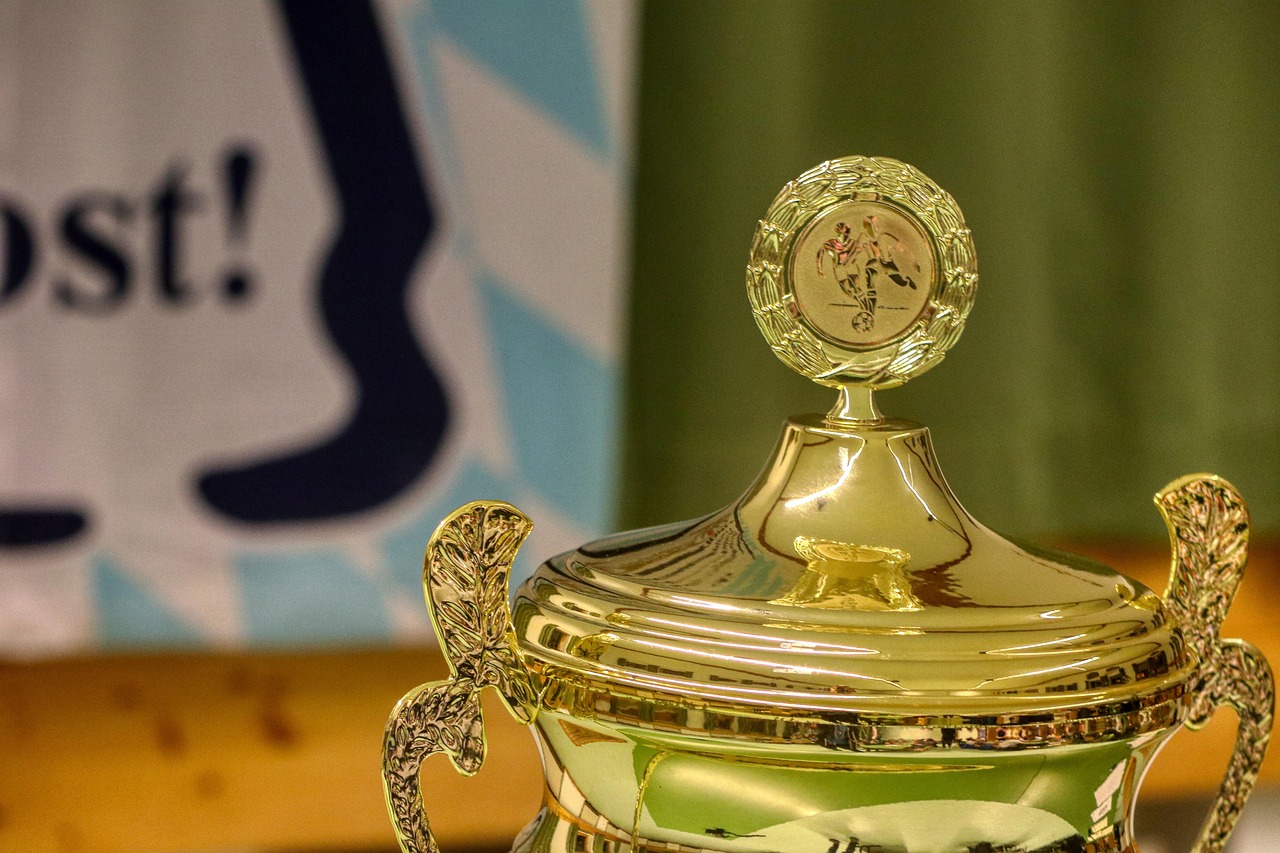
The Kookaburras and Australia’s field hockey machine became inseparable because the men’s national team turned a fast, demanding sport into a national high-performance project. Australia did not become a field hockey power through one golden generation or one lucky tournament run. The Kookaburras built their reputation through speed, fitness, technical precision, deep player development, and a system that kept producing teams capable of challenging the world’s best. Their record explains the scale of the achievement: Olympic gold in 2004, World Cup titles in 1986, 2010, and 2014, and long stretches near the top of the international game.
How Australia Built a Field Hockey Machine
Australia’s men’s field hockey story begins long before the Kookaburras became a modern powerhouse. The national team played its first international match in 1922, then entered Olympic field hockey in 1956, when Melbourne hosted the Games. From there, the program grew into one of the most consistent teams in international hockey. It was not always the most famous Australian sports team, but it became one of the country’s most dependable high-performance programs.
That consistency came from more than talent. Australia built a hockey culture that rewarded running, spacing, structure, and constant pressure. The country’s sporting environment helped. Athletes grew up in a broad outdoor sports culture, with access to school, club, state, and national pathways. The Kookaburras then turned that base into an elite system: quick passing, aggressive pressing, disciplined defending, and the ability to play at a pace that made opponents uncomfortable.
The result was a national team that rarely felt accidental. Australia could replace stars and still remain dangerous because the larger model kept working. The Kookaburras were not just a team with good players. They became a system with a recognizable tempo.
The Kookaburras and Australia’s Field Hockey Machine Reached Its Peak
The machine became impossible to ignore across the late twentieth and early twenty-first centuries. Australia won the men’s Hockey World Cup in 1986, then returned to the top of the world in 2010 and 2014. The Kookaburras also became the most successful team in Champions Trophy history, winning the event 15 times. That matters because the Champions Trophy regularly gathered elite international teams, making it a recurring test of whether Australia’s system could survive against the best programs in the world.
The Olympic story gave the program its most dramatic arc. For years, Australia was close enough to be feared but not quite close enough to finish the job. The Kookaburras won Olympic medals repeatedly and placed in the top four at every Olympics from 1980 through 2012, but the gold medal remained out of reach until Athens 2004. That win gave the program the one prize that had been missing. It also confirmed that Australia’s model could deliver under the heaviest pressure.
What made the Kookaburras so difficult was the combination of athletic speed and tactical control. They could play with open-field aggression, but they were not simply chasing the game. Their best teams used movement to create passing lanes, pressure to force turnovers, and fitness to keep the match tilted. Against weaker opponents, that could look overwhelming. Against elite opponents, it allowed Australia to keep applying stress until small mistakes became decisive.
Players such as Jamie Dwyer, Mark Knowles, and Eddie Ockenden became symbols of that era. Dwyer brought attacking brilliance. Knowles gave the program leadership and defensive authority. Ockenden’s longevity reflected the depth and durability of the system; Hockey Australia lists him as the Kookaburras’ most-capped player, and he later became one of Australia’s 2024 Olympic flag bearers.
Why Australia’s Field Hockey Machine Still Matters
The Kookaburras matter because they show how a country can make field hockey feel both organized and explosive. Australia’s identity in the sport is not built around one narrow idea. It combines development, conditioning, skill, tactical repetition, and a belief that pressure can be a weapon. That is why the program has remained relevant across different eras, even as international hockey has changed.
The modern field hockey world is deeper than it once was. Belgium, the Netherlands, Germany, India, and other contenders have made the top tier more crowded. Australia still sits inside that elite conversation. Hockey Australia’s current team page lists the Kookaburras among the top-ranked men’s teams in the FIH rankings, and Australia won the 2023–24 FIH Pro League, showing that the program remains a major force after its older golden eras.
That is the lasting meaning of the Kookaburras. They did not just win medals and trophies. They helped define what modern international field hockey could look like when a national program treated speed, structure, and player development as one connected machine.
The Kookaburras’ story is not only about Australian success. It is about how field hockey rewards systems that can turn athleticism into rhythm and pressure into control. Australia built one of the sport’s great modern machines, and for decades, the rest of the world has had to measure itself against it.