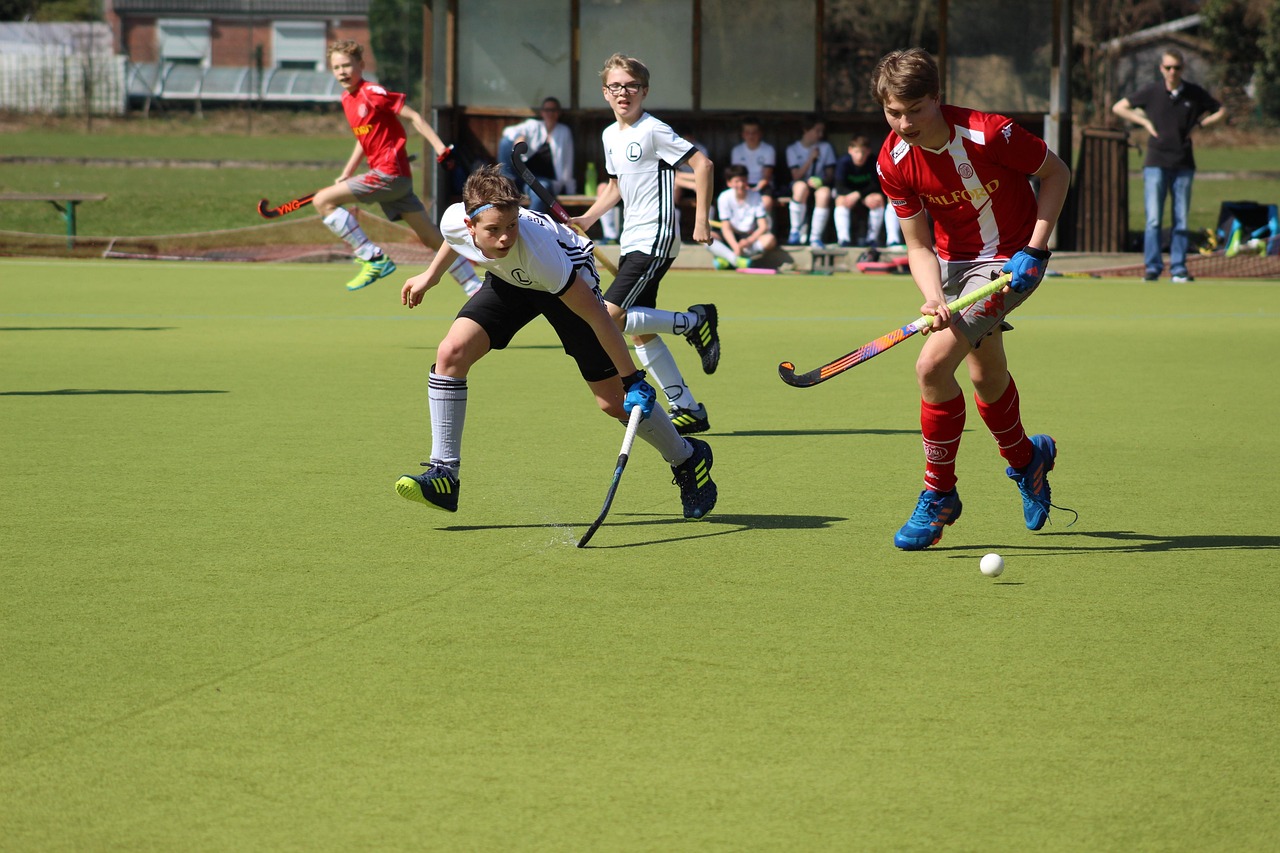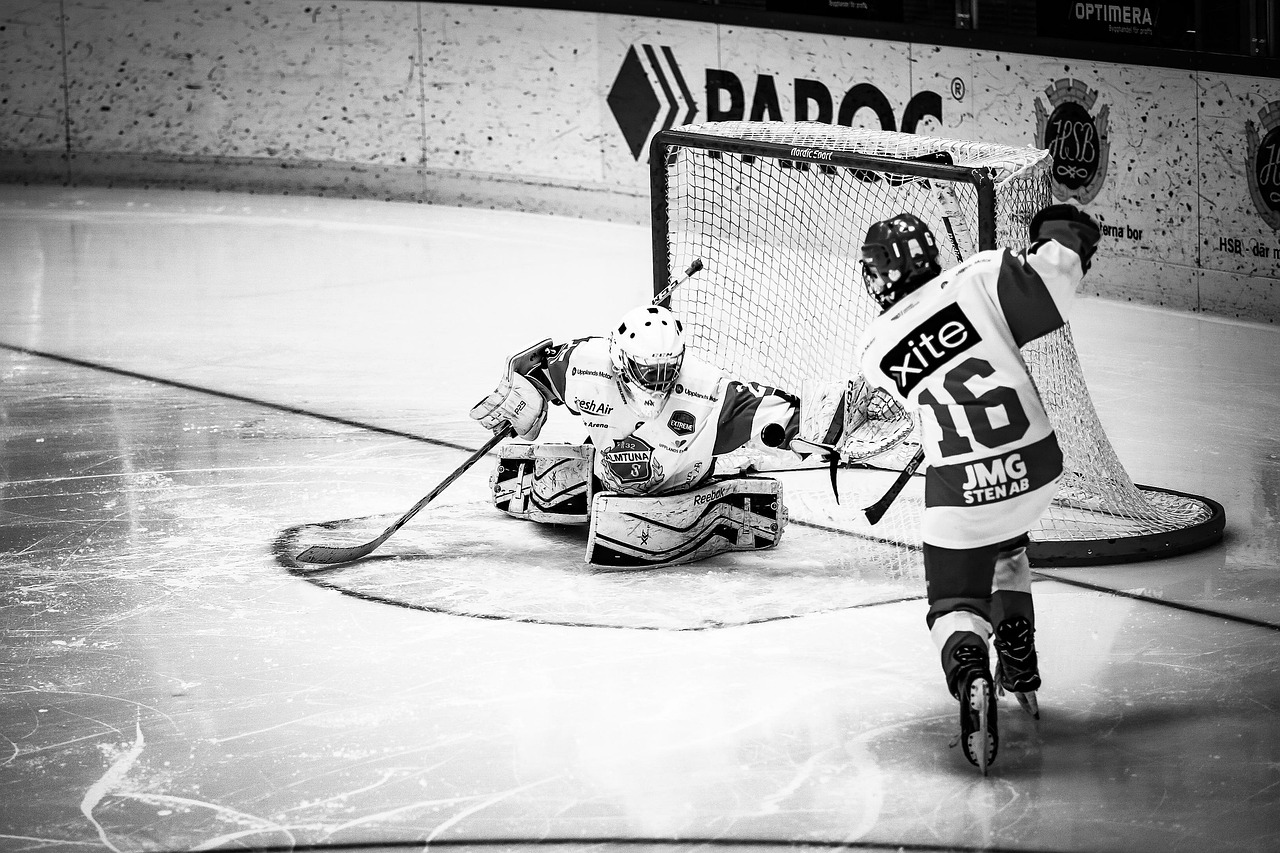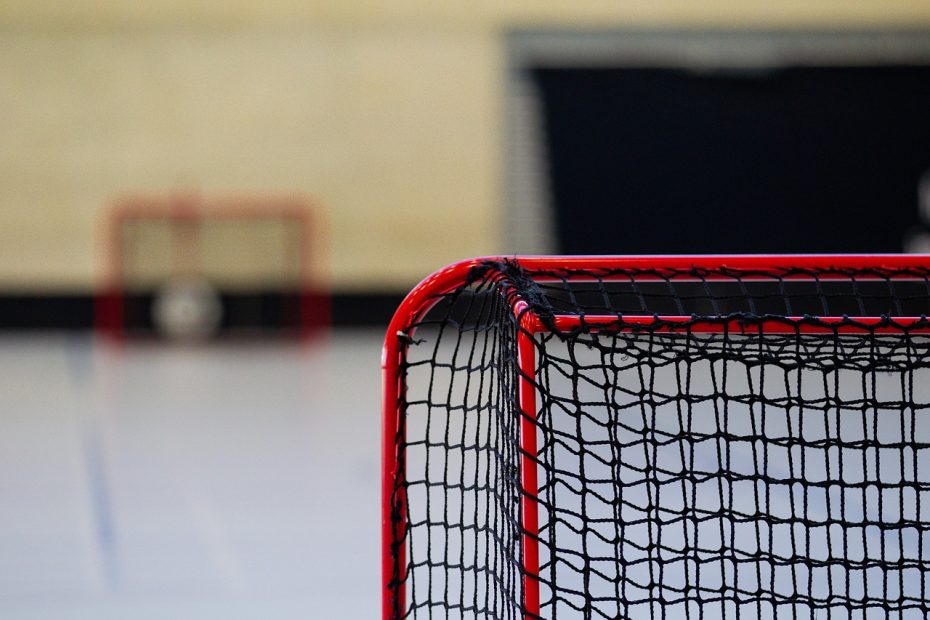
Indoor field hockey is not just outdoor hockey moved under a roof. It is a tighter, faster, more compressed version of the sport, built around six-a-side play, sideboards, rolling substitutions, quick passing, and constant pressure. The smaller court changes almost everything: players have less space, less time, and fewer chances to recover from a bad touch. The result is a game that feels both familiar and surprising. For people who know field hockey mainly through the outdoor game, indoor field hockey reveals a different version of the sport’s logic: more technical, more immediate, and often more punishing of small mistakes. FIH describes the Indoor Hockey World Cup as a six-a-side international competition, with 12 men’s and 12 women’s teams.
Why Indoor Field Hockey Changes the Shape of the Game
Outdoor field hockey is built around width, running lanes, long carries, pressing structures, aerial balls, and the ability to stretch a defense across a large pitch. Indoor field hockey compresses that world. The court is smaller, the teams are smaller, and the sideboards keep the ball alive along the edges of play. FIH’s facilities guidance describes indoor hockey as a six-player game on a small pitch with boards along each side to keep the ball in play.
That one design choice changes the rhythm of the sport. The ball does not simply roll out of play as often. A pass into the sideboard can become a tactical tool. A defender’s angle matters because the sideline is no longer just a boundary; it is part of the geometry. Teams can use the boards to move the ball around pressure, create passing lanes, and accelerate attacks through tight spaces.
The player count matters just as much. Each team usually plays with six players, including five outfield players and a goalkeeper, though teams can choose to play with six outfield players instead. Squads are limited to 12 players, and rolling substitutions are permitted. That makes the sport intense by design. Players are asked to sprint, press, recover, rotate, and re-enter the game at high speed. It rewards fitness, but not in the same way as outdoor hockey. Indoor fitness is more about repeated bursts, body control, and decision-making under pressure.
The technical demands also shift. In outdoor hockey, space can cover up small flaws. A player may have time to correct a heavy first touch or carry the ball into open grass. Indoors, the ball arrives faster, defenders close sooner, and every reception happens closer to traffic. The best players are not simply fast; they are clean. They receive under pressure, protect the ball, use the boards intelligently, and make quick choices without turning every possession into a collision.
The Boards, the Press, and the Battle for Tiny Spaces
The defining image of indoor field hockey is not just speed. It is pressure. The game often looks like a series of small territorial battles: a defender sealing off one lane, an attacker trying to bounce the ball off the boards, a midfielder receiving on the move, a goalkeeper preparing for a shot from close range. The sport’s drama comes from how little room there is to hide.
Because the court is compressed, defensive structure becomes more visible. A team that presses well can make the game feel suffocating. Passing lanes vanish quickly. A player who takes one extra touch can find the ball trapped against the boards or forced into a turnover. This makes indoor field hockey especially useful for developing close control and fast recognition. USA Field Hockey describes indoor as a small-sided 6v6 game and notes its value for development.
The boards create a different kind of intelligence. In outdoor hockey, the sideline often functions as a defensive helper because it reduces the attacker’s options. Indoors, the sideboard can help either team. An attacker can use it as a passing surface. A defender can use it to trap the ball carrier. A team can move the ball around a press with sharp rebounds, or it can lose possession instantly if the angle is wrong.
That is what makes indoor field hockey feel so technical. The game constantly asks players to solve spatial problems. Where is the next outlet? Can the ball be played cleanly into the board? Is the defender overcommitted? Is the passing lane real, or will it close before the ball arrives? Should the player shoot quickly, reset, or draw contact? The answers have to come almost immediately.
The goalkeeper’s role also becomes more intense because so many dangerous moments happen near goal. Shots can arrive through traffic, from tight angles, or after rapid combinations. Defensive blocks, quick reactions, and rebound control become central. The game’s smaller space means that a single turnover can become a scoring chance in seconds.
Why Indoor Field Hockey Deserves More Attention
Indoor field hockey remains undercovered compared with the outdoor game, but it has a clear international structure. The FIH Indoor Hockey World Cup began in 2003, with the first men’s and women’s editions held in Leipzig, Germany. The event gives the indoor version its own global stage rather than treating it only as a winter training format or a secondary branch of the sport.
That matters because indoor field hockey shows a different side of hockey talent. It highlights touch, short passing, body positioning, tactical timing, and the ability to operate in congestion. Outdoor stars can be powerful runners and open-field creators. Indoor specialists often look like problem-solvers working inside a phone booth. Both versions belong to the same sport, but they reward different instincts.
It also makes the sport easier to understand visually for some new viewers. The court is smaller. The action is closer. The ball stays alive. The tactical patterns repeat quickly enough that a viewer can start to recognize them: the press, the board pass, the quick give-and-go, the close-range shot, the fast substitution. It has the density of futsal, the technical rhythm of small-sided hockey, and the tactical discipline of a sport that cannot afford loose touches.
The undercovered quality is part of its appeal. Indoor field hockey gives readers the feeling of discovering a parallel version of a familiar game. It is not a novelty version. It is a serious discipline with its own rules, competitions, skills, and internal logic.
Indoor field hockey matters because it reveals how much a sport can change when space disappears. The sticks, ball, goals, and basic hockey instincts remain, but the game becomes sharper and more compressed. It is field hockey stripped down to touch, speed, angles, pressure, and decision-making. That makes it one of hockey’s most interesting alternate forms.