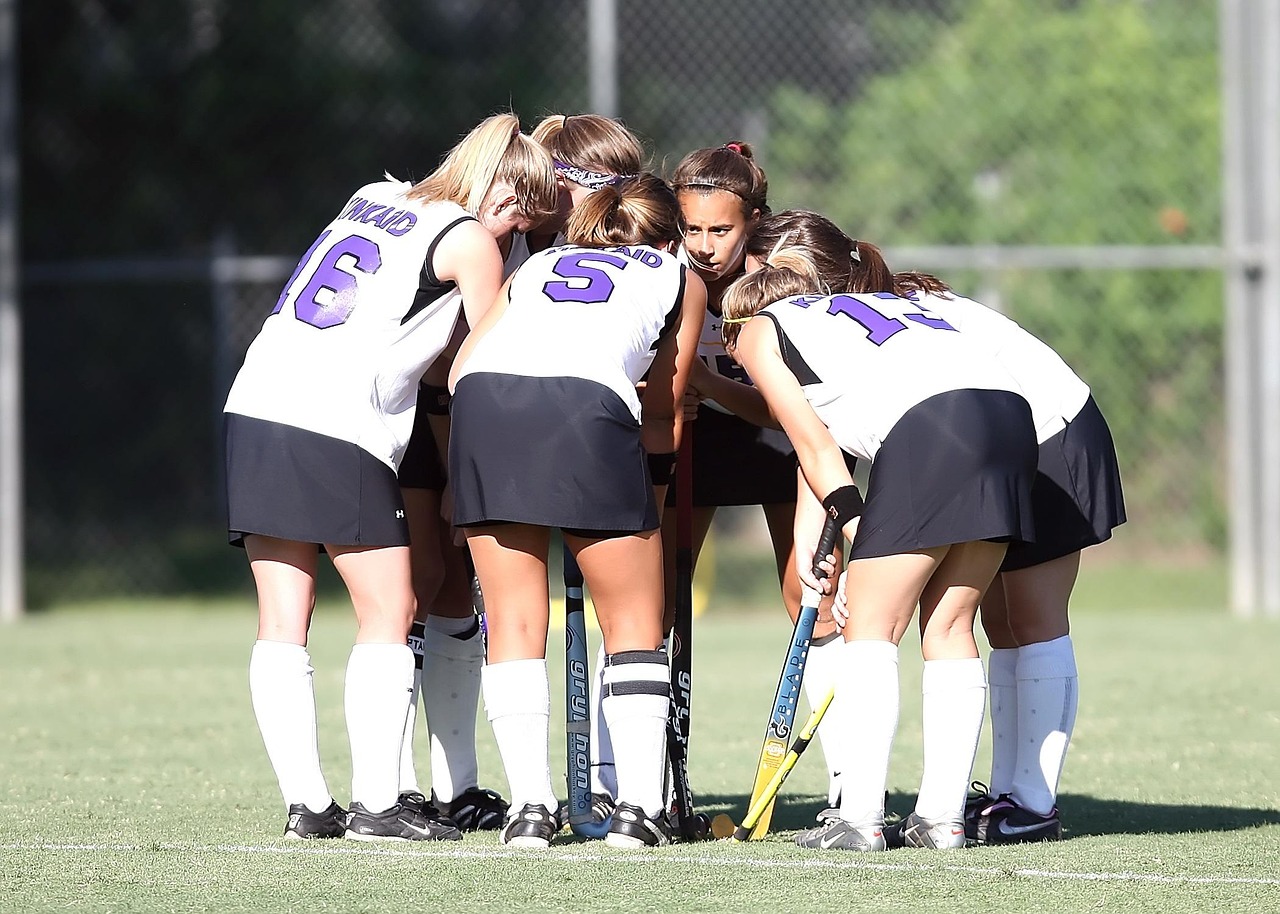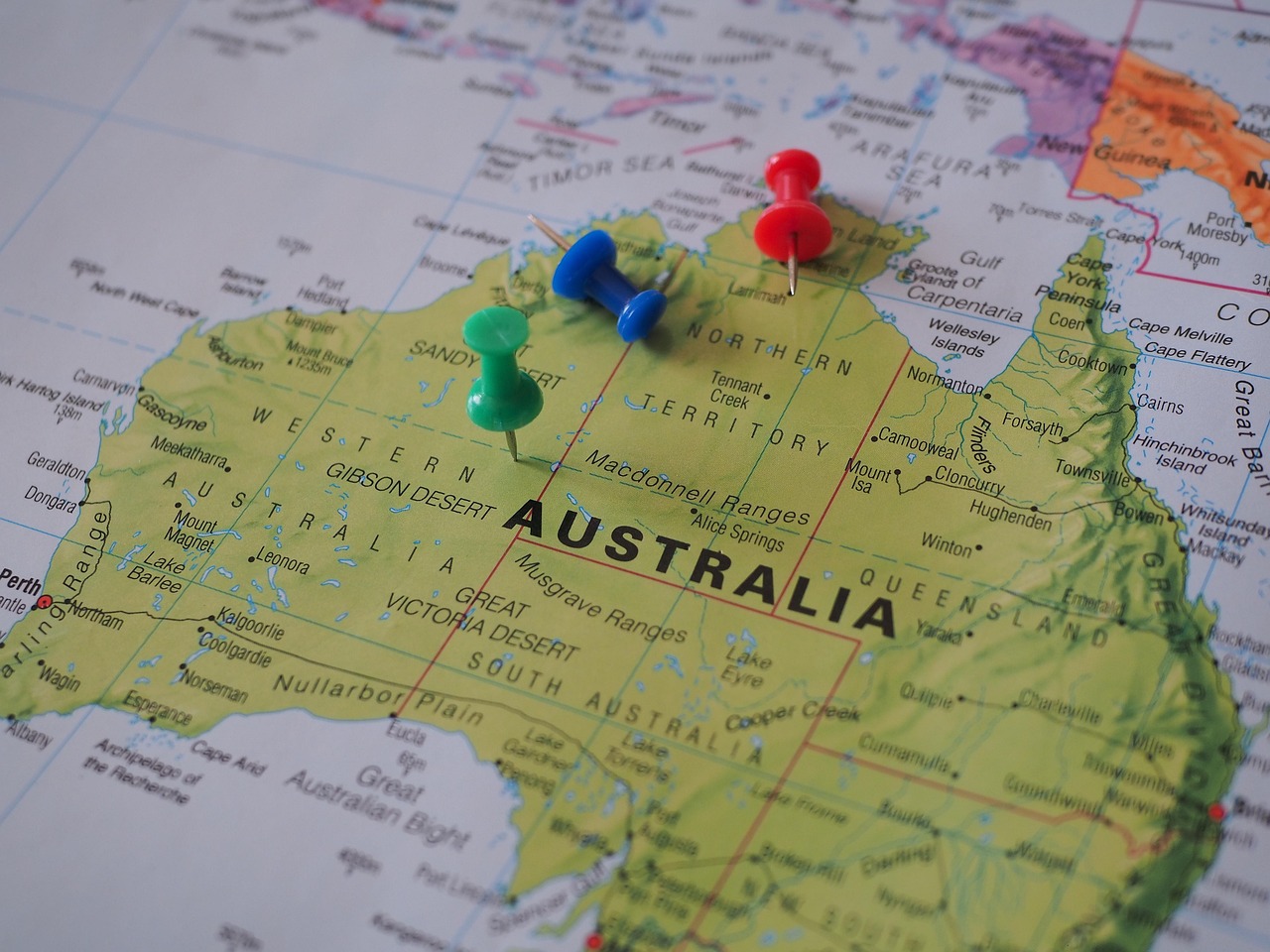
The India–Pakistan field hockey rivalry is one of the most emotionally charged stories in world hockey because it was never only about two teams. It grew out of Partition, inherited excellence, shared sporting habits, and the pressure of representing two new national identities on the same international stage. Before cricket became the dominant sporting language between the countries, hockey gave India and Pakistan some of their most powerful meetings. The rivalry carried Olympic gold medals, Asian Games finals, World Cup pressure, and a contrast of styles that made every match feel like a test of skill, pride, and historical memory. India and Pakistan first met in Olympic hockey at the 1956 Melbourne Games, where India beat Pakistan 1–0 in the final.
How Partition Turned a Shared Hockey Culture Into a Rivalry
Field hockey already had deep roots in the subcontinent before India and Pakistan became separate countries in 1947. The sport had grown through schools, clubs, military institutions, colonial-era competitions, and regional sporting networks. When Partition created two nations, it also divided a sporting culture that had once developed through overlapping institutions and shared techniques.
That is what made the rivalry different from an ordinary international matchup. India and Pakistan were not strangers discovering each other through sport. They were two new states drawing from a connected hockey inheritance. The players, coaches, administrators, and fans understood the same game, but they now watched it through different national stories.
For India, hockey already carried Olympic prestige. The Indian men’s team had won Olympic gold in 1928, 1932, 1936, 1948, and 1952 before facing Pakistan for gold in 1956. That Melbourne final extended India’s Olympic dominance to six straight gold medals. For Pakistan, the silver medal in 1956 marked the arrival of a new hockey power. It showed that Pakistan was not merely a successor to part of an older hockey world; it could become one of the central forces in the sport.
The rivalry was therefore born with a rare kind of tension. India was defending an Olympic tradition. Pakistan was building its own. Every meeting asked a larger question: which side would define the future of subcontinental hockey?
The Olympic Finals That Gave India-Pakistan Field Hockey Its Emotional Weight
The India-Pakistan field hockey rivalry became globally significant because its biggest early meetings happened at the Olympics. From 1956 to 1964, India and Pakistan met in three consecutive Olympic hockey finals. India won in 1956, Pakistan won in 1960, and India won again in 1964.
That sequence gave the rivalry its classic structure. It was not one famous game. It was a decade-long argument at the highest level of the sport.
The 1956 final in Melbourne confirmed India’s continued supremacy. India won the tournament without conceding a goal, and Pakistan’s silver medal showed how close the new challenger had already come. Four years later, at the 1960 Rome Olympics, Pakistan defeated India in the final and ended India’s long Olympic gold-medal streak. That result gave Pakistan its first Olympic hockey gold and permanently changed the balance of the rivalry. India’s 1964 Olympic final victory in Tokyo then restored Indian gold, but the rivalry had already shifted. Pakistan had proved it could beat India when the stakes were highest.
The emotional voltage came from more than medals. These matches turned hockey into a way of reading national confidence. India’s early Olympic record gave it the weight of history. Pakistan’s rise gave it the force of challenge and renewal. Each final carried the pressure of sport, but also the pressure of comparison between two countries whose political relationship was already tense.
The rivalry also worked because the hockey itself had beauty. India and Pakistan were both associated with skill, close control, quick passing, and creative attacking movement. Their matches were not only physical contests or nationalist occasions. They were also elite technical performances. The ball movement, dribbling, positional intelligence, and improvisation helped make the rivalry one of field hockey’s defining showpieces.
Why the Rivalry Still Carries So Much Meaning
The rivalry kept growing beyond the Olympic finals. India and Pakistan met repeatedly in Asian Games finals, Asia Cup matches, Champions Trophy contests, World Cups, and other major tournaments. Pakistan leads the overall head-to-head record, while India holds the deeper Olympic gold-medal count. Pakistan has won more men’s Hockey World Cups, while India’s 1975 World Cup title included a final victory over Pakistan.
That split record is part of what makes the rivalry so durable. Neither side can tell the entire story alone. India has the older Olympic dynasty and the larger pre-Partition-to-post-independence arc. Pakistan has its own golden eras, World Cup success, Asian Games strength, and long periods of head-to-head superiority. The rivalry is not simply one country chasing the other. It is two hockey powers taking turns defining different chapters of the sport.
Its meaning also changed as field hockey itself changed. Synthetic turf, modern fitness demands, European tactical systems, and the rise of other hockey powers altered the old rhythm of the game. India and Pakistan both had to adjust to a sport that became faster, more structured, and more physically demanding. The rivalry therefore carries a second layer of memory: it recalls a time when South Asian hockey was not only successful, but stylistically central to the world game.
Today, an India-Pakistan hockey match still carries history even when the tournament stakes are smaller than an Olympic final. The rivalry invokes Partition, shared sporting ancestry, national pride, and the memory of a time when these two teams stood at the center of world hockey. It is one of the few rivalries where style, identity, and historical pressure are inseparable.
The India-Pakistan field hockey rivalry matters because it compresses a large history into a small field. It is about two nations, but also about one shared hockey inheritance split into competing national stories. Its greatest matches still echo because they were played for medals, memory, and the right to define what South Asian hockey could mean.