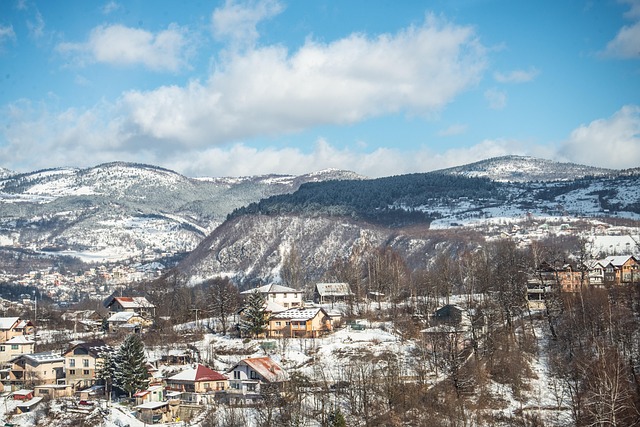
The 1984 Olympics were unusual for hockey because both major Olympic forms of the sport appeared in the same calendar year. Field hockey was played at the 1984 Summer Olympics in Los Angeles, while ice hockey was played at the 1984 Winter Olympics in Sarajevo. That makes 1984 one of the cleaner years for a full Olympic hockey article, because the year included both the outdoor stick-and-ball game and the ice-based winter version of the sport.
These two forms of hockey had very different Olympic meanings in 1984. Field hockey in Los Angeles was part of the Summer Games, with both men’s and women’s tournaments. Ice hockey in Sarajevo was part of the Winter Games, with a men’s tournament that continued one of the strongest traditions in Winter Olympic team sports. Together, they showed how the word “hockey” could describe two separate Olympic worlds.
Hockey’s Olympic Status in 1984
Hockey was an official medal sport in both Olympic settings in 1984. Field hockey was contested at the Los Angeles Summer Olympics from July 29 to August 11 at Weingart Stadium in Monterey Park. Ice hockey was contested at the Sarajevo Winter Olympics from February 7 to February 19, with games played at Olympic Hall Zetra and Skenderija Olympic Hall.
There was no need to treat 1984 as an exhibition or demonstration year for hockey. This was a full medal year. Field hockey awarded medals in men’s and women’s competition, while ice hockey awarded medals in the men’s tournament.
The Olympic Setting: Los Angeles and Sarajevo
The 1984 Olympic year was split between two very different host cities. Sarajevo hosted the Winter Olympics in what was then Yugoslavia. Los Angeles hosted the Summer Olympics in the United States.
That contrast matters for hockey. Sarajevo represented the winter side of the sport: indoor arenas, cold-weather nations, and the long-running Olympic ice hockey tradition. Los Angeles represented the summer side: field hockey played outdoors in Southern California, with teams from countries where the sport had deep club, school, and federation systems.
The year also came during the Cold War. The Sarajevo Winter Olympics had broad participation, while the Los Angeles Summer Olympics were affected by the Soviet-led boycott. That political context shaped many events in 1984, including the wider atmosphere around international team sports.
Field Hockey at the 1984 Summer Olympics
Field hockey at the 1984 Los Angeles Olympics included both men’s and women’s tournaments. This was important because women’s field hockey was still new to the Olympic program. The women’s event had debuted in 1980, so Los Angeles 1984 was only the second Olympic women’s field hockey tournament.
In the men’s tournament, Pakistan won the gold medal. West Germany took silver, and Great Britain won bronze. Pakistan’s victory continued the country’s major role in Olympic field hockey history. For much of the twentieth century, South Asian hockey was one of the defining forces in the sport, with India and Pakistan both carrying enormous Olympic weight.
The women’s tournament had a different story. The Netherlands won gold, West Germany won silver, and the United States won bronze after a penalty shootout against Australia. The bronze medal was especially significant for the host nation, because the United States was not traditionally one of the central powers in global field hockey.
Why the 1984 Field Hockey Tournament Mattered
The 1984 field hockey tournament mattered because it showed both tradition and change. On the men’s side, Pakistan’s gold medal connected Los Angeles to the older Olympic hockey story, where South Asian teams had often shaped the sport’s highest level. On the women’s side, the Netherlands’ gold medal showed the growing strength of European women’s field hockey.
The women’s tournament also helped build the Olympic identity of women’s field hockey. Since the event was still new, every tournament in this period helped define what Olympic women’s hockey would become. The presence of the United States on the podium gave the Los Angeles Games a host-country story and helped make the event more visible to American audiences.
For field hockey, 1984 was not just another Olympic year. It was a point where the men’s tournament continued a long tradition, while the women’s tournament was still building its Olympic history.
Ice Hockey at the 1984 Winter Olympics
Ice hockey at the 1984 Sarajevo Winter Olympics was a men’s tournament. The Soviet Union won gold, Czechoslovakia won silver, and Sweden won bronze. Canada finished fourth. The tournament included 12 teams and was one of the main team events of the Winter Games.
The Soviet gold medal was part of a much larger Olympic ice hockey story. Soviet hockey had become one of the dominant forces in the sport, built around elite coaching, national team structure, technical skill, and a powerful domestic system. In Sarajevo, the Soviet team returned to the top of the Olympic podium after the famous American victory at Lake Placid in 1980.
That made the 1984 tournament feel different from 1980. The “Miracle on Ice” had made the previous Olympic ice hockey tournament one of the most famous events in American sports history. Four years later, Sarajevo restored the familiar Cold War hockey order, with the Soviet Union back as Olympic champion.
Why the 1984 Ice Hockey Tournament Mattered
The 1984 ice hockey tournament mattered because it showed the strength of established European and Soviet hockey systems. The medal table was led by the Soviet Union, Czechoslovakia, and Sweden, three programs with deep hockey traditions and strong national team structures.
For the United States, 1984 was a very different Olympic story from 1980. The American team did not repeat the Lake Placid miracle and finished seventh, despite going unbeaten in four of its six games, according to USA Hockey’s account of the tournament.
Sarajevo 1984 therefore worked as a reset. It reminded the hockey world that one upset tournament did not erase the long-term strength of the Soviet program or the depth of European ice hockey.
Men’s and Women’s Hockey in 1984
The gender structure of Olympic hockey in 1984 depended on the form of the sport. Field hockey had both men’s and women’s tournaments in Los Angeles. Ice hockey had only a men’s tournament in Sarajevo.
That difference is important for readers. Women’s field hockey was already part of the Summer Olympic program by 1984, but women’s ice hockey had not yet entered the Winter Olympics. Women’s Olympic ice hockey would not debut until 1998.
So, in 1984, Olympic hockey was partly moving toward a broader gender structure, but not evenly. Field hockey had already opened Olympic medal competition to women. Ice hockey was still more than a decade away from doing the same.
What Changed from the Previous Olympic Hockey Year
Compared with 1980, Olympic hockey changed in several ways.
In field hockey, the 1980 Moscow Olympics had been affected by the U.S.-led boycott. The 1984 Los Angeles Olympics were then affected by the Soviet-led boycott. That meant both Olympic cycles were shaped by Cold War politics. Even so, the women’s field hockey tournament continued after its 1980 debut, which helped stabilize the event inside the Olympic program.
In ice hockey, the change was even more dramatic. The 1980 Winter Olympics were remembered for the United States defeating the Soviet Union in Lake Placid. In 1984, the Soviet Union returned to gold-medal form in Sarajevo. That shift made 1984 feel like a return to the normal hierarchy of international ice hockey.
Legacy of Hockey at the 1984 Olympics
The legacy of hockey at the 1984 Olympics is that both forms of the sport told important but very different stories.
Field hockey in Los Angeles showed the continued strength of Pakistan in the men’s game, the rise of the Netherlands in the women’s Olympic tournament, and the importance of women’s field hockey becoming a regular part of the Games. Ice hockey in Sarajevo showed the Soviet Union’s return to Olympic dominance and the continuing strength of European hockey powers.
For a global hockey timeline, 1984 should be treated as a full official Olympic hockey year. It was not an absence year and not a demonstration year. It was a year when Olympic hockey existed in both summer and winter form, with field hockey and ice hockey each adding a distinct chapter to the sport’s Olympic history.