Hockey had two Olympic stories in 1976. Field hockey was played at the Summer Olympics in Montreal, while ice hockey was played at the Winter Olympics in Innsbruck. Both were official medal sports, but they represented very different parts of the hockey world.
Field hockey in 1976 was an outdoor Summer Olympic sport with deep roots in Europe, South Asia, Oceania and parts of Africa. Ice hockey was a Winter Olympic sport shaped by cold-weather countries, national team systems and the intense rivalry between the Soviet Union and Czechoslovakia. Together, the two tournaments show why “hockey at the Olympics” is never just one story.
Hockey’s Olympic Status in 1976
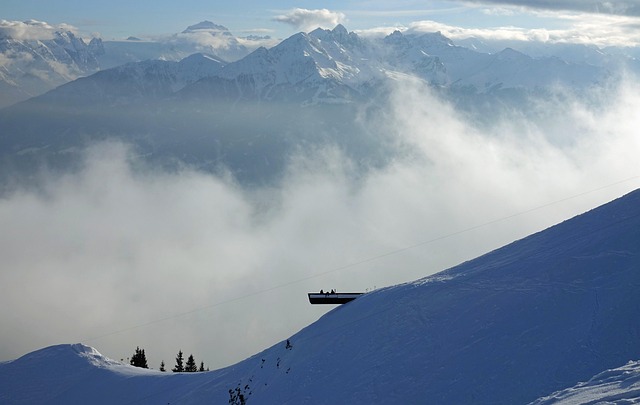
At the 1976 Olympics, both major Olympic forms of hockey were official medal sports. Men’s field hockey was contested at the Montreal Summer Olympics from July 18 to July 30, while men’s ice hockey was contested at the Innsbruck Winter Olympics from February 2 to February 14. Field hockey was played at Percival Molson Memorial Stadium in Montreal, and ice hockey was played in Innsbruck, Austria.
There were no women’s Olympic hockey tournaments in 1976. Women’s field hockey would not enter the Olympics until 1980, and women’s ice hockey would not become an Olympic event until 1998. That makes 1976 part of the men-only era for both versions of Olympic hockey.
Field Hockey at the 1976 Montreal Olympics
The field hockey tournament in Montreal was one of the most important turning points in Olympic field hockey history. It was the first Olympic field hockey tournament played on artificial turf. That surface changed the speed, style and technical demands of the sport. The game became faster, cleaner and more controlled, which helped push international field hockey toward the modern era.
Eleven teams competed in the men’s tournament. New Zealand won the gold medal, Australia won silver, and Pakistan won bronze. New Zealand defeated Australia 1–0 in the final, creating an all-Oceania gold medal match. Pakistan defeated the Netherlands 3–2 in the bronze medal match.
That result was a major Olympic surprise. India, the 1975 world champion and the most famous historic power in Olympic field hockey, did not reach the semifinals. Defending Olympic champion West Germany also missed the semifinals. Instead, New Zealand and Australia reached the final, while Pakistan and the Netherlands played for bronze.
Why Montreal 1976 Changed Field Hockey
Montreal 1976 matters because it was not only about who won. It changed the conditions of Olympic field hockey. Artificial turf rewarded speed, passing, fitness and precision. Countries that adjusted well to the new surface gained an advantage, while older styles of play became harder to sustain.
This was especially important because field hockey had long been associated with South Asian dominance. India and Pakistan had shaped much of the sport’s Olympic identity. By 1976, that balance was changing. Pakistan still won bronze, but the gold medal match between New Zealand and Australia showed that Oceania had become a major force.
For a global hockey timeline, 1976 should be treated as a modernizing year. It was not just another Olympic tournament. It was the moment when Olympic field hockey moved more clearly toward the speed and surface conditions of the contemporary game.
Ice Hockey at the 1976 Innsbruck Olympics
Ice hockey at the 1976 Winter Olympics had a different character. It was part of the Cold War sports world, where the Soviet Union was the dominant force and Czechoslovakia was one of its strongest challengers. Twelve teams entered the tournament, and the Soviet Union won gold. Czechoslovakia won silver, while West Germany took bronze.
The Soviet Union’s victory was its fifth Olympic ice hockey gold medal overall. The tournament also continued the Soviet team’s long Olympic run at the top of the sport. The deciding game against Czechoslovakia was dramatic: Czechoslovakia led 2–0 after the first period, but the Soviet Union came back and won 4–3.
West Germany’s bronze medal was one of the tournament’s major surprises. In a field usually dominated by the Soviet Union, Czechoslovakia, Canada, Sweden, Finland and the United States, West Germany’s podium finish stood out as a major achievement.
Why Innsbruck 1976 Mattered for Ice Hockey
Innsbruck 1976 showed the strength of the Soviet hockey system. Olympic ice hockey during this period was shaped by amateur rules, state-supported programs and national teams that often trained together for long periods. The Soviet Union used that system better than anyone.
The tournament also showed how close Czechoslovakia could come to breaking Soviet control. The final game between the two teams was not a simple Soviet procession. It was tense, competitive and decided late. That made the gold medal feel like another example of Soviet dominance, but not one without pressure.
For West Germany, the bronze medal gave the country one of its great Olympic ice hockey moments. It also made the 1976 tournament more than a two-team story. The medal table showed Soviet power, Czechoslovak quality and a surprise breakthrough from a country outside the usual top two.
The Difference Between Field Hockey and Ice Hockey in 1976
The two Olympic hockey tournaments in 1976 showed how different field hockey and ice hockey had become.
Field hockey in Montreal was about surface change, global balance and the decline of older assumptions about which countries would dominate. Ice hockey in Innsbruck was about Cold War rivalry, state-backed sporting systems and the strength of established winter hockey nations.
Field hockey was changing through playing conditions. Ice hockey was being defined by national systems. Both were official Olympic sports, but they told different stories about how hockey develops around the world.
What Changed Before and After 1976
Before 1976, Olympic field hockey was already a long-running Summer Olympic sport, but Montreal introduced a major shift with artificial turf. After 1976, the sport continued moving toward the faster, more technical style that became normal in modern international field hockey.
Before 1976, Olympic ice hockey had already become one of the Winter Games’ major team sports. After 1976, the next Winter Olympics in 1980 would produce one of the most famous moments in Olympic history: the United States’ “Miracle on Ice” victory over the Soviet Union. That makes 1976 the last Soviet gold before the shock of Lake Placid.
Legacy of Hockey at the 1976 Olympics
The legacy of hockey at the 1976 Olympics is split between two important stories. In field hockey, Montreal marked the start of the artificial-turf Olympic era and delivered a surprise New Zealand gold medal. In ice hockey, Innsbruck confirmed Soviet strength but also showed serious pressure from Czechoslovakia and a major bronze-medal breakthrough for West Germany.
For hockey history, 1976 should be treated as a major Olympic year. It had official medal tournaments in both field hockey and ice hockey, no demonstration category, and no women’s events yet. It was a year of transition in one version of hockey and dominance in the other.