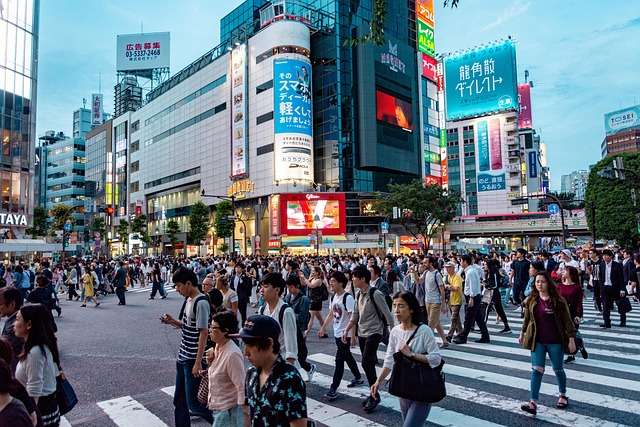
Tokyo hockey is not built like hockey in Sapporo, Tomakomai, Kushiro, or other colder northern Japanese hockey centers. It is more urban, more facility-dependent, and more closely tied to the realities of building ice hockey inside one of the world’s largest metropolitan areas. That gives Tokyo a different kind of hockey identity. The city is not Japan’s traditional ice hockey heartland, but it matters because it is the country’s capital, media center, and a major gateway for new fans, youth players, university hockey, and international visibility.
Tokyo hockey is best understood as a metropolitan hockey scene rather than a single-club identity. It includes local rinks, university programs, youth development, recreational hockey, women’s hockey, and connections to Japan’s broader national hockey structure.
What Defines Tokyo Hockey
Tokyo hockey is defined by concentration, access, and contrast. The city has enormous population scale, but ice hockey depends on specialized facilities. That means the sport exists through rinks, clubs, universities, and committed families rather than through outdoor winter culture.
Unlike Hokkaido, where ice hockey has a deeper regional identity, Tokyo’s hockey scene is shaped by urban logistics. Players often travel across the metro area for practices, games, coaching, and tournaments. Ice time is valuable, and the sport competes with many other athletic and academic options.
Tokyo also matters because it can introduce hockey to people who may not grow up in traditional hockey communities. In a city with global culture, international schools, universities, corporate communities, and a large sports market, hockey has room to exist as a niche but serious sport. Japan’s women’s national team profile also gives Tokyo-area players and fans a clearer connection to elite international hockey.
The Hockey Style and Fan Culture of Tokyo
Tokyo hockey does not have the same public identity as baseball, football, sumo, or even more visible winter sports in Japan. Its fan culture is smaller and more specialized. People who follow hockey in Tokyo often do so because they play, have family in the sport, follow Japanese national teams, or are connected to university, youth, or international communities.
The style of Tokyo hockey is shaped by limited ice and organized development. Players who grow in the city often have to be efficient with practice time. That can create a technical, structured, and disciplined environment, especially in youth and university hockey. The challenge is not interest alone; it is turning interest into regular access.
Japan’s international hockey identity is also relevant. The Japanese women’s national team has become one of Asia’s strongest programs, and recent Olympic coverage has emphasized Japan’s need to adjust to the speed and physicality of top international competition. That matters for Tokyo because national-team visibility helps raise the sport’s profile beyond local rink communities.
The Institutions Behind Tokyo Hockey
Tokyo’s hockey institutions are less about one dominant professional club and more about a network of rinks, schools, universities, amateur clubs, and national structures. In Japanese hockey, the strongest historical ice hockey geography has often been in Hokkaido and corporate or regional club systems, while Tokyo functions more as a capital-market and development environment.
University hockey is one important part of the city’s role. Tokyo’s large academic ecosystem gives the sport a place in student athletics, helping players continue after youth hockey and keeping the game active among young adults. Recreational and adult leagues also matter because they sustain participation beyond elite pathways.
Tokyo’s position as Japan’s capital gives it symbolic importance even when it is not the country’s deepest hockey region. National-team events, media attention, federation activity, and international connections often run through Tokyo in some form. That makes the city valuable to Japanese hockey even if the sport’s strongest playing culture is more associated with northern Japan.
How Tokyo Develops Hockey People
Tokyo develops hockey people through persistence. Players, coaches, parents, and organizers have to work around limited rink access, high costs, and a crowded sports environment. That creates a hockey community that is smaller than the city’s size might suggest, but often highly committed.
Young players usually enter through local clubs, skating programs, school connections, family interest, or exposure to international hockey. From there, development depends on finding enough ice time and competition. Because Tokyo is such a large metro area, the hockey experience can feel regional rather than neighborhood-based. Families may travel across the city for the right program or rink.
Women’s and girls’ hockey are especially important to Tokyo’s future. Japan’s women’s national team gives girls a visible elite model, and Tokyo’s size creates room for more participation if rink access, coaching, and club structures continue improving.
Why Tokyo Hockey Matters
Tokyo hockey matters because it shows how ice hockey can exist inside a massive global city without being a mainstream sport. It is not Japan’s classic hockey heartland, but it is important to the sport’s national future.
If hockey can grow in Tokyo, it can reach new players, new fans, and new communities beyond Japan’s colder northern regions. The city’s hockey story is about infrastructure, visibility, and the challenge of making a rink-based winter sport work inside one of the world’s most competitive urban sports environments.

Interested in Sports in Tokyo (Japan)?
American Football in Tokyo | Baseball in Tokyo | Basketball in Tokyo | Cricket in Tokyo | Football (Soccer) in Tokyo | Rugby in Tokyo