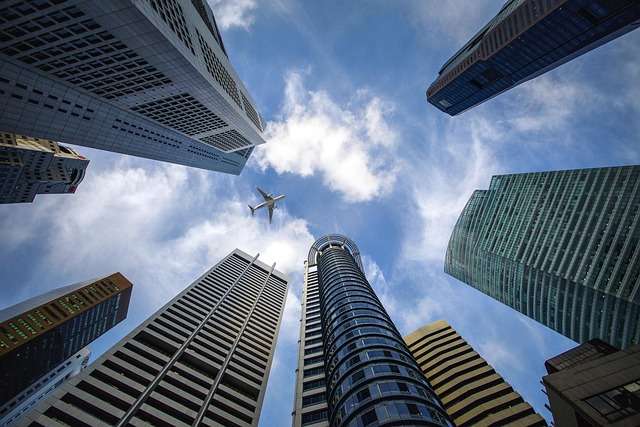
Singapore hockey has a more developed story than many tropical countries because the word “hockey” can point in two directions. Field hockey has a clearer sporting history and fits more naturally into Singapore’s school, club, and national-team environment. Ice hockey is smaller, but it exists through indoor facilities, recreational leagues, youth programs, and regional competition. That makes Singapore a compact but interesting hockey market: limited by climate and space, yet supported by organization, urban infrastructure, and international connections.
What Defines Singapore Hockey
Singapore hockey is defined by adaptation. The country does not have natural winter conditions, large open space, or a deep ice-sport culture. That means hockey has to fit into a dense urban environment. Field hockey can use pitches, schools, clubs, and national sport structures. Ice hockey depends on indoor rink access and a smaller group of committed players.
This gives Singapore hockey a practical identity. It is not built around mass participation or professional stardom. It is built around organized communities, structured facilities, and the ability to sustain niche sports in a highly urban setting.
Singapore’s international position also matters. The country sits within Southeast Asia, where hockey development varies widely. Regional competitions, expat communities, school networks, and national sport programs all shape how hockey is played and understood.
The Local Style of the Game
Singapore hockey is usually more structured than spontaneous. In field hockey, the sport can develop through schools, clubs, and national teams. Players may learn the game through organized training rather than informal neighborhood play. That creates a style built around coaching, discipline, and regular competition.
Ice hockey in Singapore has a different character. Because rink access is limited, players often enter the sport through learn-to-skate programs, recreational hockey, youth clubs, or expat-connected communities. The game is smaller, but that can create a close hockey scene where players, parents, and organizers know each other well.
The local hockey identity is therefore split: field hockey has the stronger traditional base, while ice hockey represents a smaller but serious indoor-sport community. Both versions show how hockey can exist in a country where climate does not naturally support the game.
The People and Places Behind Singapore Hockey
The people behind Singapore hockey include school coaches, club organizers, national-team players, rink operators, youth coaches, adult recreational players, and families who support niche sport participation. In a city-state, a small number of facilities and organizations can have an outsized effect.
For field hockey, schools and clubs are central. They give the sport structure, create competition, and help players move from youth participation toward national-level opportunities. For ice hockey, indoor rinks are the foundation. Without reliable ice access, the sport cannot build a stable base.
Singapore’s hockey community also benefits from international movement. Expats, returning students, regional tournaments, and cross-border competition can all raise the level of play. In a smaller hockey system, those connections matter because they expose players to different styles and stronger competition.
Why Singapore Hockey Matters
Singapore hockey matters because it shows how hockey can be organized in a dense, tropical, highly modern city-state. The country does not have the natural conditions that people often associate with ice hockey, but it has the organizational capacity to support specialized sports.
For field hockey, Singapore fits into a broader Asian and Commonwealth sporting context. For ice hockey, it represents the indoor-rink model of global hockey growth. The sport survives not because it is culturally dominant, but because enough people choose to build systems around it.
That makes Singapore useful as a hockey case study. It shows that facilities, organization, and regional connections can matter as much as climate.
The Future of Singapore Hockey
The future of Singapore hockey depends on access, visibility, and development pathways. Field hockey can grow through schools, clubs, and national programs. Ice hockey needs stable rink access, youth recruitment, coaching, and regional competition. Singapore is unlikely to become a mass hockey country, but it can remain a serious niche market where both field hockey and ice hockey have organized communities and room to develop.
Interested in Sports in Singapore?
American Football in Singapore | Baseball in Singapore | Basketball in Singapore | Cricket in Singapore | Football (Soccer) in Singapore | Rugby in Singapore