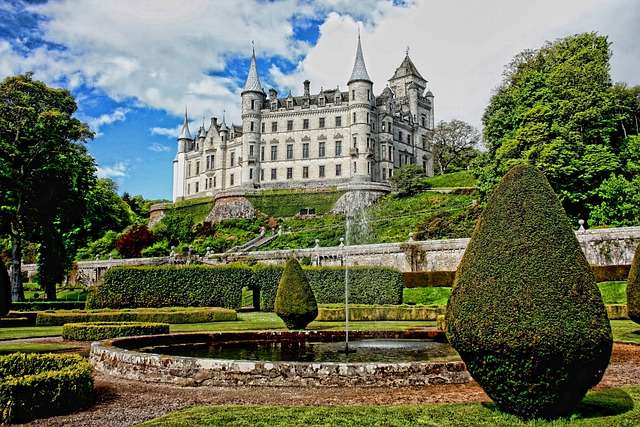
Scotland hockey has two important meanings. In ice hockey, Scotland has a long and serious place within the British game, with clubs such as Fife Flyers, Dundee Stars, and Glasgow Clan giving the sport a visible professional identity. In field hockey, Scotland has its own national teams, club structure, and international history within the wider British and European hockey landscape. That makes Scotland a layered hockey country: not a global ice hockey power, but a place with real hockey institutions, loyal supporters, and a sporting identity that extends beyond casual participation.
What Defines Scotland Hockey
Scotland hockey is defined by regional loyalty and dual identity. Ice hockey in Scotland is club-centered, with local fan bases supporting teams in the wider UK professional system. Field hockey is more nationally organized, with Scotland competing separately in many international competitions while also fitting into the broader Great Britain Olympic structure.
This makes Scottish hockey different from countries where one version of the sport dominates the word “hockey.” In Scotland, ice hockey and field hockey both matter, but they matter in different ways. Ice hockey is more arena-based and spectator-driven. Field hockey is more club, school, and national-team driven.
The country’s hockey identity is also shaped by geography. Scotland has cold northern associations, but modern ice hockey still depends on indoor rinks and professional clubs. Field hockey depends on clubs, pitches, schools, universities, and national development systems.
The Local Style of the Game
Scottish ice hockey has a reputation for loyal crowds, local pride, and a tough competitive edge. Clubs are central to the sport’s identity. The Fife Flyers, Dundee Stars, and Glasgow Clan each represent a different part of Scotland’s modern ice hockey map. Their importance is not only in wins and losses, but in keeping hockey visible in Scottish sport.
Field hockey has a different rhythm. It is connected to club development, schools, universities, and national teams. Scotland’s field hockey identity is shaped by competition against other home nations, European opponents, and Commonwealth-level hockey cultures. The sport has a more traditional amateur and development structure than professional ice hockey.
Together, these two forms give Scotland hockey a balanced identity. It is not only a spectator sport and not only a participation sport. It has both arena culture and grassroots structure.
The People and Places Behind Scotland Hockey
The places behind Scottish ice hockey are clear: Fife, Dundee, and Glasgow are especially important to the modern professional scene. These clubs give fans a local hockey identity and connect Scotland to the Elite Ice Hockey League. They also help introduce new supporters to the sport through live games, rivalries, and community programs.
Field hockey’s places are more spread out. Clubs, schools, and universities across Scotland help sustain the sport. The national teams provide a higher-level identity, especially when Scotland competes in European or Commonwealth competitions. In Olympic cycles, the Great Britain structure adds another layer because Scottish players may be part of a broader British pathway.
The people behind Scotland hockey include professional ice hockey players, field hockey internationals, youth coaches, club volunteers, rink operators, and local supporters. In both sports, institutions matter as much as individual stars.
Why Scotland Hockey Matters
Scotland hockey matters because it shows how hockey can develop through overlapping identities. Scotland is not simply an ice hockey country or a field hockey country. It is part of the British ice hockey system, part of international field hockey, and part of the Great Britain Olympic structure.
That makes Scotland useful for a worldwide hockey site. It shows readers that “hockey” does not mean the same thing everywhere. In Canada, the word usually points to ice hockey. In India or Pakistan, it may point first to field hockey. In Scotland, both meanings have real weight.
Scottish hockey also matters because of its supporters. The sport survives through clubs, local pride, and committed communities rather than mainstream national dominance.
The Future of Scotland Hockey
The future of Scotland hockey depends on stable clubs, strong facilities, youth development, and continued visibility for both ice hockey and field hockey. In ice hockey, professional stability and local support are essential. In field hockey, the key issues are participation, coaching, clubs, and national-team pathways. Scotland already has a meaningful hockey identity. The next step is strengthening the systems that allow both versions of the sport to grow.




Interested in Sports in Scotland?
American Football in Scotland | Baseball in Scotland | Basketball in Scotland | Cricket in Scotland | Football (Soccer) in Scotland | Rugby in Scotland