Netherlands hockey has two very different meanings. In field hockey, the Netherlands is one of the world’s great powers, with elite men’s and women’s programs, deep club culture, and a national reputation for technical, tactical, and developmental excellence. In ice hockey, the Netherlands has a smaller but real tradition, organized through Dutch clubs, national teams, and a long history of domestic competition. That split gives Dutch hockey a layered identity: the country is a field hockey giant and an ice hockey nation with a more modest but established structure.
What Defines Netherlands Hockey
Netherlands hockey is defined by contrast. The country is globally famous for field hockey, where Dutch teams, clubs, and players sit near the center of the international game. Ice hockey, by comparison, is a niche sport, but it is not new or imaginary. The Dutch ice hockey federation structure dates back to the 1930s, and the Netherlands is a full IIHF member with organized players and indoor rinks. The IIHF lists the Netherlands as a full member association with 20 indoor IIHF-size rinks and more than 2,000 registered male players across senior and youth categories.
That makes Dutch ice hockey more developed than many casual observers might expect. It lacks the cultural weight of football, speed skating, cycling, or field hockey, but it has clubs, facilities, and a national-team pathway.
Netherlands hockey, as a broad idea, is therefore not one sport. It is an elite field hockey identity sitting alongside a smaller but durable ice hockey community.
The Local Style of the Game
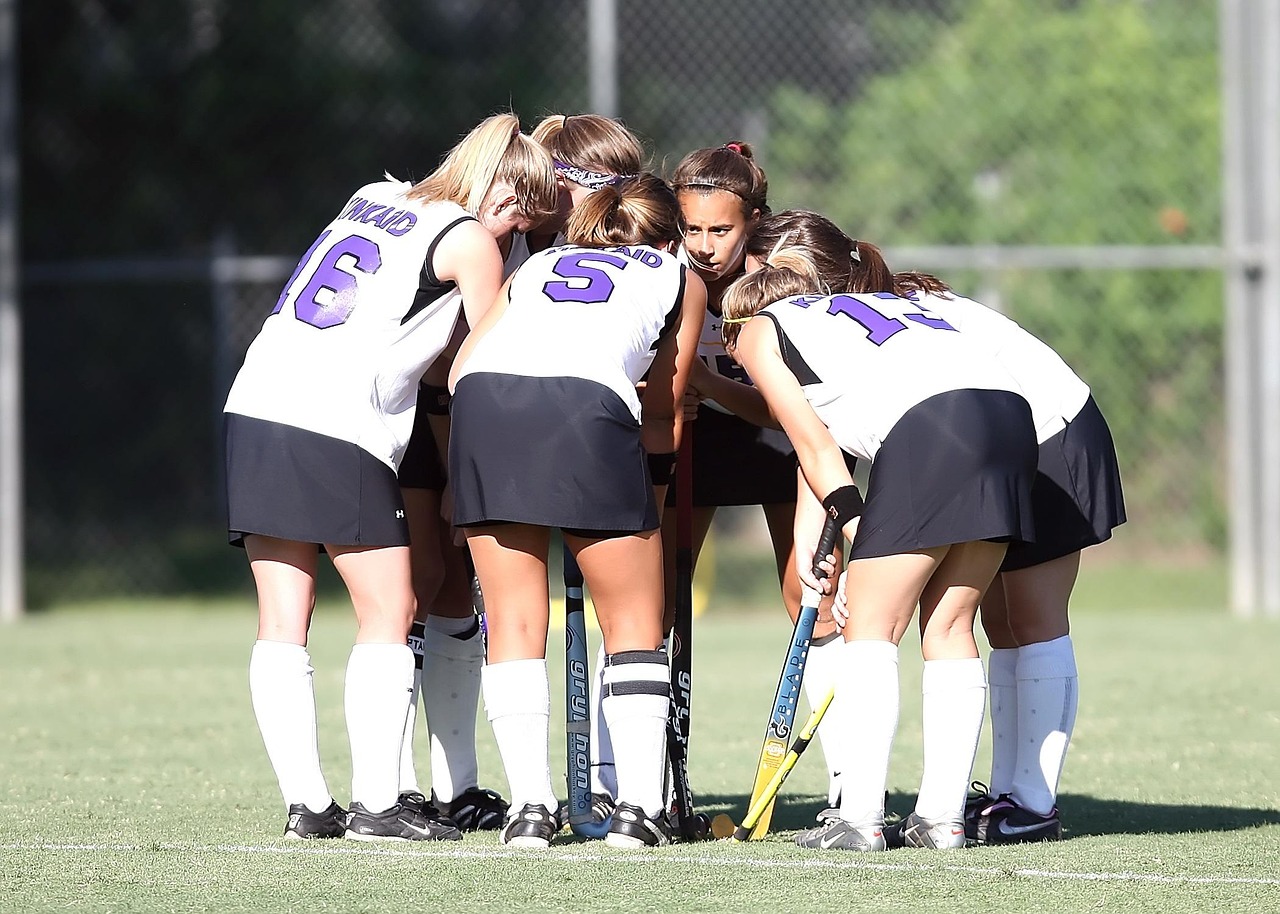
Dutch field hockey is known for skill, structure, spacing, and technical quality. It fits the country’s broader sporting reputation for organization and tactical detail. The Dutch club system has helped produce world-class players and national teams, especially on the women’s side, where the Netherlands has been one of the dominant forces in global field hockey.
Dutch ice hockey has a different style and reputation. It is shaped by indoor rinks, club commitment, cross-border competition, and the challenge of keeping the sport visible in a crowded sports market. The old Dutch Eredivisie was the top domestic ice hockey league for decades before its 2015 suspension, after which remaining teams became part of the BeNe League structure with Belgian clubs.
The Dutch ice hockey identity is practical and club-driven. It does not have the scale of Germany, Switzerland, Sweden, or Finland, but it has enough history and infrastructure to be taken seriously within the second layer of European hockey.
The People and Places Behind Netherlands Hockey
Dutch ice hockey is closely tied to cities and clubs such as Tilburg, The Hague, Amsterdam, Heerenveen, Nijmegen, and other rink communities. Tilburg is especially important because the Tilburg Trappers became the country’s strongest modern club and eventually moved into German competition, reflecting both the ambition and the structural limits of Dutch domestic hockey.
The national governing body, now known as IJshockey Nederland, grew from the older Nederlandse IJshockey Bond and has been tied to Dutch ice hockey organization since the early twentieth century. The Dutch hockey structure includes senior players, youth players, female players, referees, rinks, and national teams, giving the sport an institutional base even if its public profile remains limited.
Field hockey’s people-and-places map is much larger. Dutch clubs and national-team players have global name recognition within that sport. For a broad hockey website, the Netherlands is one of the clearest examples of why “hockey” cannot be treated as ice hockey alone in every country.
Why Netherlands Hockey Matters
Netherlands hockey matters because it forces the site architecture to handle both meanings of hockey honestly. If the page is only about ice hockey, it misses the country’s biggest hockey identity. If it is only about field hockey, it misses a legitimate ice hockey tradition.
The Netherlands is also useful because it represents a particular European sports model: high-level organization, strong club culture, and technical development. In field hockey, that model has produced a world power. In ice hockey, it has produced a smaller but stable national system with real clubs and international participation.
That contrast makes the Netherlands one of the most interesting hockey countries for a global website.
The Future of Netherlands Hockey
The future of Netherlands hockey depends on which sport is being discussed. Field hockey’s future is about maintaining elite standards, club strength, and national-team success. Ice hockey’s future is about stability, youth development, rink access, domestic competition, and cross-border opportunities. The Netherlands may never become an ice hockey superpower, but it already has enough history and infrastructure to remain a serious niche hockey country while continuing to be one of the world’s defining field hockey nations.






Interested in Sports in Netherlands?
American Football in Netherlands | Baseball in Netherlands | Basketball in Netherlands | Cricket in Netherlands | Football (Soccer) in Netherlands | Rugby in Netherlands