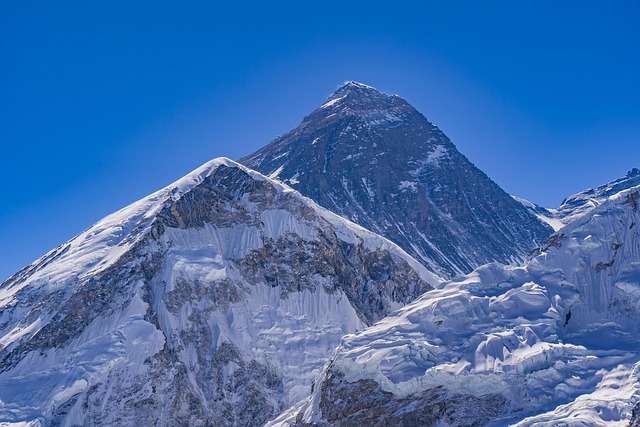
Nepal hockey is not a mainstream part of the country’s sports culture, but it is an interesting case because Nepal’s geography makes the idea of hockey feel more plausible than its infrastructure currently allows. The country is associated globally with the Himalayas, cold mountain regions, and high-altitude winter landscapes, but organized ice hockey requires more than cold weather. It needs rinks, equipment, coaching, leagues, player registration, and regular competition. Nepal’s hockey identity is therefore still early-stage: more about possibility, regional connection, and sports development than an established national hockey system.
What Defines Nepal Hockey
Nepal hockey is defined by the gap between natural imagination and organized infrastructure. From the outside, it is easy to assume that a Himalayan country would have a strong winter-sport base. In practice, ice hockey needs indoor or reliable outdoor facilities, and Nepal does not yet have the kind of rink network needed to support a broad hockey culture.
That makes Nepal different from countries where hockey grew through professional clubs, school programs, or long-running national leagues. Hockey in Nepal is more of a development concept than a large competitive structure. The sport’s future would likely depend on regional partnerships, youth programs, winter-sport investment, and the ability to introduce hockey in a format that fits local conditions.
Nepal hockey is best understood as a frontier story: a country with mountain identity, but not yet a mature ice hockey ecosystem.
How Hockey Is Building Its Identity in Nepal
If hockey develops in Nepal, its identity will likely be different from the classic Canadian, Nordic, or Central European model. It would probably grow through a mix of indoor ice, school or youth programs, regional competitions, and possibly small-sided or adapted versions of the game. In countries with limited ice infrastructure, hockey often begins with skating programs, recreational clubs, ball hockey, inline hockey, or regional events before full ice hockey becomes realistic.
Nepal’s location also matters. It sits within South Asia, a region where field hockey has a much deeper historical presence than ice hockey. India and Pakistan have major field hockey traditions, while ice hockey in the broader region is still concentrated in specific cold-weather or rink-supported areas. Nepal could eventually connect to this regional winter-sport map, but it would need facilities and governing structure to make that possible.
The early identity of Nepal hockey is therefore likely to be experimental, practical, and development-driven.
The People and Places Behind Nepal Hockey
The people behind Nepal hockey would not yet be famous professional players or major clubs. They would be organizers, coaches, youth-sport advocates, rink developers, school leaders, and athletes interested in winter sports. In emerging hockey countries, the first generation of builders matters more than star players because they create the conditions for the sport to exist.
Kathmandu would be the most likely hub for any organized hockey growth because it is the country’s largest urban center and the most practical base for facilities, administration, and international partnerships. Mountain regions may fit the imagination of winter sport, but organized hockey usually grows first where there are people, transport links, schools, and investment.
Nepal’s broader sports culture could also shape hockey’s path. Football, cricket, martial arts, athletics, and mountain-related sports are far more visible. For hockey to gain a foothold, it would need to find a clear role rather than compete directly with established sports.
Why Nepal Hockey Matters
Nepal hockey matters because it shows that geography alone does not create hockey culture. A country can have cold regions and mountain identity but still lack the infrastructure needed for organized ice hockey. That makes Nepal useful for understanding the difference between climate and hockey development.
It also matters because hockey’s global future includes countries that are not traditional hockey nations. If Nepal ever develops a meaningful hockey program, it would likely come through small steps: skating access, youth recruitment, regional cooperation, coaching, and affordable equipment. That kind of growth would not be immediate, but it would expand the sport’s map in a distinctive way.
Nepal hockey is not yet a major sporting story. It is a development story with a clear geographic hook.
The Future of Nepal Hockey
The future of Nepal hockey depends on facilities, coaching, and realistic entry points. A full ice hockey system would require major investment, but smaller steps could come through skating programs, youth clinics, regional events, and partnerships with nearby hockey organizations. Nepal’s hockey future will not be built by copying larger hockey countries. It will depend on finding a version of the sport that fits the country’s infrastructure, climate, and youth-sport priorities.
Interested in Sports in Nepal?
American Football in Nepal | Baseball in Nepal | Basketball in Nepal | Cricket in Nepal | Football (Soccer) in Nepal | Rugby in Nepal