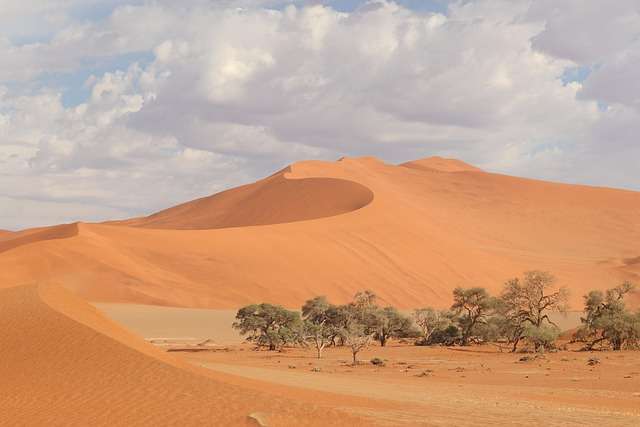
Namibia hockey is one of the more interesting small-country hockey stories because it has a clearer inline hockey identity than many nontraditional hockey nations. Namibia is not a major ice hockey country, and it does not have the climate or rink network associated with traditional ice hockey development. But the Namibia Ice and Inline Hockey Association has given the sport an organized structure, and Namibia has been connected to international hockey through inline participation and federation activity. Namibia’s own hockey story is therefore not about frozen ponds or NHL dreams. It is about inline hockey, organization, and the possibility of building a hockey culture in a desert country. The Namibia Ice and Inline Hockey Association describes itself as the governing body for ice and inline hockey in the country, and notes Namibia’s affiliation with international hockey structures.
What Defines Namibia Hockey
Namibia hockey is defined by inline hockey first. That makes it different from many countries where ice hockey exists as a small imported sport with no practical foundation. Inline hockey gives Namibia a more realistic version of the game because it can be played without ice, can use more accessible facilities, and can fit a warm-weather environment.
This distinction matters. In many nontraditional hockey countries, ice hockey is difficult to develop because the sport requires expensive rinks. Namibia’s inline hockey base gives players a way to learn hockey skills, compete, and build a community even without a deep ice infrastructure.
The country’s hockey identity is therefore practical and adaptive. It shows how hockey can exist in a form that fits local geography. Namibia may not be a conventional ice hockey country, but it has a more tangible hockey structure than many places with no organized stick-and-puck activity.
How Hockey Is Building Its Identity in Namibia
Namibia has built its hockey identity through organization and participation rather than mass visibility. The Namibia Ice and Inline Hockey Association provides a framework for the sport, and inline hockey gives players a realistic competitive pathway. Available summaries of Namibia’s hockey history note that inline hockey was introduced in the country in the 1990s and that Namibia has sponsored national inline teams in international competition.
This gives Namibia a distinct angle: it is a country where the hockey story does not have to be invented from nothing. The sport has an organized base. The challenge is whether that base can grow, attract new players, support youth development, and maintain international participation.
Inline hockey can also serve as a bridge to ice hockey, though the two sports require different facilities and skating conditions. For Namibia, the more immediate value is that inline hockey keeps the hockey idea alive in a climate where ice hockey is difficult to sustain.
The People and Places Behind Namibia Hockey
The people behind Namibia hockey are the organizers, coaches, players, and families who support inline hockey. In smaller hockey countries, national federations and local clubs have outsized importance because they are not simply managing a sport that already exists everywhere. They are building the sport’s visibility, rules knowledge, training habits, and player base.
Facilities are also central. Inline hockey needs appropriate playing surfaces, equipment, and organized competition. Those requirements are easier than building and maintaining ice rinks, but they still require planning and resources. A strong local venue can become the heart of the hockey community.
Namibia’s hockey identity is also helped by the fact that inline hockey can involve youth and adult players more realistically than ice hockey in many African contexts. The sport can be introduced, practiced, and expanded without needing the full infrastructure of a winter-sport country.
Why Namibia Hockey Matters
Namibia hockey matters because it shows that hockey development does not have to begin on ice. For many countries in Africa, the Caribbean, Southeast Asia, or the Pacific, inline hockey may be the most practical first version of the sport. Namibia is a useful example of how a country can create organized hockey activity without fitting the usual climate profile.
It also matters because it broadens the meaning of hockey culture. A country can have a hockey story through inline programs, national organization, and international participation even if it is not competing in major ice hockey tournaments.
Namibia’s hockey story is not about pretending the country is an ice hockey power. It is about recognizing a real adaptive pathway for hockey in a nontraditional environment.
The Future of Namibia Hockey
The future of Namibia hockey depends on strengthening the inline base. More youth participation, coaching, equipment access, local competitions, and international opportunities would help the sport grow. Ice hockey may remain limited by facility needs, but inline hockey gives Namibia a practical foundation. If that foundation stays active, Namibia can remain one of the more distinctive hockey stories in Africa.
Interested in Sports in Namibia?
American Football in Namibia | Baseball in Namibia | Basketball in Namibia | Cricket in Namibia | Football (Soccer) in Namibia | Rugby in Namibia