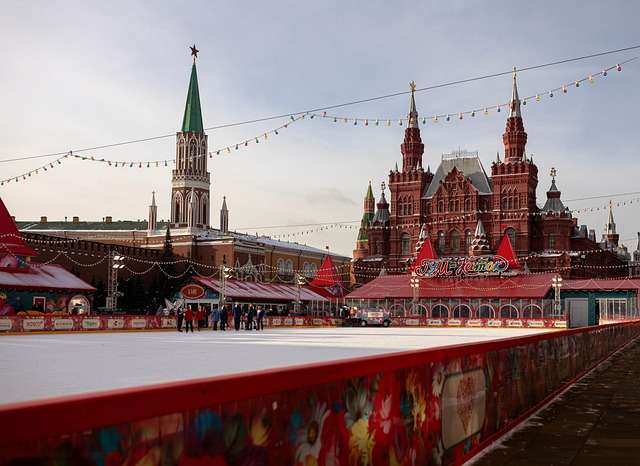
Moscow hockey is one of the most important city hockey cultures in the world. It is not simply a place with teams. It is a city where hockey has been tied to state institutions, Soviet sporting power, Russian national identity, elite player development, and some of the most famous clubs in European hockey history.
The city’s hockey map is unusually deep. CSKA Moscow, Dynamo Moscow, and Spartak Moscow have all helped shape Russian and Soviet hockey. The Kontinental Hockey League’s official club listing includes Moscow powers such as CSKA and Dynamo Moscow, and the city remains a central part of the KHL structure.
Moscow hockey is therefore not just local. It is institutional, historic, and national.
What Defines Moscow Hockey
Moscow hockey is defined by power. Few cities in the world have had so much influence over the structure, politics, tactics, and prestige of hockey. During the Soviet era, Moscow clubs were not only sports teams; they were connected to major institutions. CSKA was tied to the army, Dynamo to security and interior-ministry structures, and Spartak to a broader sports-society tradition.
That institutional background gave Moscow hockey a different character from ordinary club hockey. The city’s teams were part of a state-backed sports system designed to produce international dominance. Many of the players who made the Soviet national team one of the most successful teams in hockey history came through Moscow’s elite structures.
Modern Moscow hockey still carries that legacy. The city’s clubs compete in a different era, but the expectation remains high. Moscow is not a developing hockey market. It is one of the places where hockey history was made.
The Hockey Style and Fan Culture of Moscow
Moscow hockey has long been associated with technical skill, discipline, structure, and elite tactical development. Soviet hockey became famous for passing, puck possession, skating patterns, collective movement, and a style that contrasted with the more physical North American game. Moscow clubs played a central role in building that reputation.
The fan culture is also layered because Moscow has more than one major hockey identity. CSKA, Dynamo, and Spartak are not interchangeable. They carry different histories, colors, symbols, and emotional loyalties. That gives Moscow a derby-style hockey culture where club identity matters deeply.
Moscow’s hockey culture is also affected by the city’s status. Fans are not watching a small-market underdog trying to be noticed. They are watching clubs that are expected to matter. That pressure shapes the atmosphere. Winning is not treated as a pleasant surprise; it is often treated as the standard.
The Institutions Behind Moscow Hockey
CSKA Moscow is one of the defining institutions in world hockey. Its official site identifies the club as a Moscow team competing at the top level of Russian hockey, and its history is inseparable from Soviet and Russian elite development. CSKA’s legacy includes decades of dominance, famous coaches, and a player pipeline that shaped international hockey.
Dynamo Moscow is another central institution. Dynamo was founded in 1946, plays in the KHL, and won the first Soviet hockey championship in 1946–47. The club later became a major Soviet and Russian power and has won the Gagarin Cup twice in the KHL era.
Spartak Moscow gives the city another major hockey tradition. Spartak’s identity is different from CSKA and Dynamo, and that difference matters because Moscow hockey is partly defined by internal rivalry. The city’s hockey scene is not one unified club culture. It is a collection of powerful institutions with their own histories.
Together, these clubs make Moscow one of the few cities where local hockey can be discussed as a full ecosystem of elite teams rather than a single franchise.
How Moscow Develops Hockey People
Moscow develops hockey people through depth, pressure, and high-level competition. Young players in the city grow up around famous clubs, elite academies, professional expectations, and a hockey culture that treats technical development seriously. The city’s pathway has historically been more institutional than casual.
In Moscow, hockey people include elite players, coaches, academy directors, trainers, scouts, officials, and club administrators. The city has produced and shaped generations of players who moved through Soviet, Russian, European, and international hockey systems.
Moscow’s development culture also reflects competition inside the city. A player is not simply trying to play hockey; he may be trying to earn a place in a system connected to CSKA, Dynamo, Spartak, or another major structure. That creates a demanding environment where local identity and elite ambition overlap.
Women’s hockey also fits into Moscow’s broader hockey ecosystem, though the city’s global reputation is still built primarily around men’s professional clubs and Soviet/Russian hockey history.
Why Moscow Hockey Matters
Moscow hockey matters because few cities have done more to shape the sport’s international story. The city helped build Soviet hockey, supported some of the most famous club structures in Europe, and remains central to Russian professional hockey.
Its importance is not only about trophies. Moscow hockey matters because of its institutions, rivalries, development systems, tactical influence, and national symbolism. For readers trying to understand world hockey, Moscow is not a side chapter. It is one of the main cities in the sport’s history.

Interested in Sports in Moscow (Russia)?
American Football in Moscow | Baseball in Moscow | Basketball in Moscow | Cricket in Moscow | Football (Soccer) in Moscow