Mexico hockey is one of the most important ice hockey stories in Latin America. It is not a traditional winter-sport country, but it has built a real organized hockey structure through indoor rinks, national teams, youth participation, women’s hockey, and regional competition. The sport is still small compared with football, boxing, baseball, basketball, and other major Mexican sports, but Mexico has more ice hockey substance than many casual fans would expect.
What Defines Mexico Hockey
Mexico hockey is defined by ambition in a difficult environment. The country does not have the climate advantage of northern hockey nations, but it has created a functioning ice hockey system through indoor facilities and federation work. The IIHF lists Mexico as a full member, with senior male, senior female, and youth male players, along with 16 IIHF-size indoor rinks and one outdoor rink.
That infrastructure gives Mexico a stronger base than most Latin American hockey countries. The sport is still concentrated, especially around Mexico City and other urban areas with rink access, but it has a national-team identity and enough organized participation to make it more than a novelty.
Mexico hockey is therefore best understood as a developing ice hockey culture with regional leadership potential.
The Local Style of the Game
Mexico hockey is shaped by indoor rinks, limited ice time, and the need to develop players in a warm-weather sports culture. Unlike countries where children grow up skating outdoors, Mexican players usually enter hockey through organized rinks, clubs, family commitment, and federation-linked programs.
That creates a hockey culture where access matters more than climate. Players who stay with the sport often need strong family support, steady coaching, and the ability to travel for better competition. The game’s growth depends on converting curiosity into participation.
Mexico’s style is also connected to Latin American regional competition. The country has used events such as the Pan-American Ice Hockey Tournament to build its competitive profile. In 2017, the IIHF described Mexico as widely seen as the strongest ice hockey nation in Latin America, while reporting that Mexico won both the men’s and women’s categories at that year’s Pan-American tournament in Mexico City.
The People and Places Behind Mexico Hockey
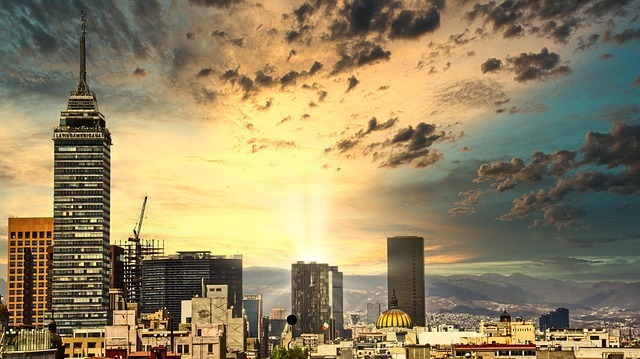
Mexico City is the center of Mexican hockey. It has the strongest rink concentration, the deepest player base, and the most visible domestic structure. The capital gives the sport a practical home, but the challenge is expanding beyond one central hub.
Women’s hockey is one of Mexico’s strongest development stories. The IIHF reported that Mexico’s national women’s league debuted in 2011, with teams concentrated in and around Mexico City. Another IIHF feature noted a five-team women’s league in Mexico City and highlighted Mexican senior women’s national team players competing domestically.
That matters because Mexico’s hockey identity is not only male or national-team driven. Women’s hockey gives the country a serious growth lane and helps separate Mexico from countries where ice hockey exists only as a small men’s recreational scene.
Why Mexico Hockey Matters
Mexico hockey matters because it is one of the clearest examples of ice hockey development in a nontraditional country. It shows that hockey can grow through rinks, federation structure, women’s programs, youth development, and regional competition even without a natural winter-sport base.
It also matters because Mexico gives Latin American hockey a credible anchor. Countries such as Argentina, Brazil, Colombia, and Chile have hockey activity, but Mexico has a stronger IIHF profile and more visible competitive structure. That makes it important for any global hockey map.
Mexico is not a major world hockey power, but within Latin America, it is one of the countries most worth watching.
The Future of Mexico Hockey
The future of Mexico hockey depends on expanding rink access, keeping youth players involved, developing coaches, and strengthening women’s and girls’ hockey. The country already has enough structure to be taken seriously. The next step is depth. If Mexico can grow beyond a concentrated rink network and turn more young players into long-term participants, it can remain Latin America’s most important ice hockey country.
Interested in Sports in Mexico?
American Football in Mexico | Baseball in Mexico | Basketball in Mexico | Cricket in Mexico | Football (Soccer) in Mexico | Rugby in Mexico