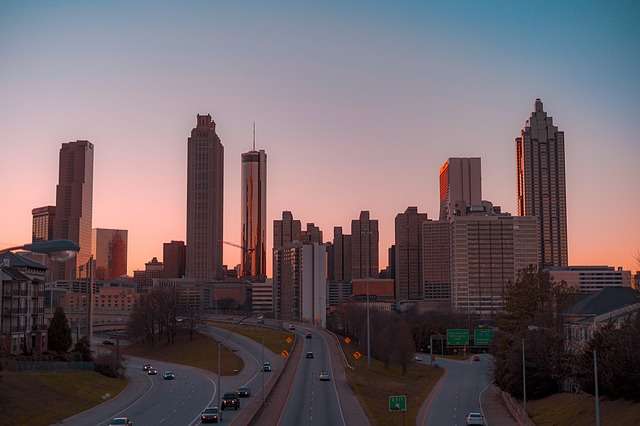
Georgia hockey has had a complicated path. The state has experienced NHL hockey twice, first with the Atlanta Flames and later with the Atlanta Thrashers, but both franchises eventually relocated. That history gives Georgia one of the more unusual hockey identities in the United States: a state with real hockey interest, several professional and minor league chapters, and a large metropolitan market, but no current NHL team.
Today, Georgia hockey is carried by ECHL teams, youth programs, local rinks, adult leagues, and fans who have kept the sport alive despite instability at the top. The Atlanta Gladiators and Savannah Ghost Pirates give the state professional hockey anchors, while the broader Atlanta area remains the center of Georgia’s hockey potential. The Ghost Pirates’ official site identifies the club as Savannah’s professional hockey team, while the Atlanta Gladiators continue the metro area’s minor league hockey presence.
What Defines Georgia Hockey
Georgia hockey is defined by persistence. The state has never had the natural hockey advantages of northern regions, and it has not had stable NHL permanence. But hockey has kept returning because there is enough population, enough interest, and enough rink-based activity to support the sport at several levels.
Atlanta is central to the story. The city is a major sports market with a history of NHL hockey, minor league hockey, youth hockey, and fan demand. Even without an NHL team, Atlanta remains one of the most discussed American markets whenever hockey expansion or relocation comes up.
Georgia hockey is also increasingly more than Atlanta. Savannah’s entry into professional hockey gave the state another visible hockey city and showed that the sport can work in a different kind of Georgia market. That matters for a state trying to build a broader hockey identity.
How Hockey Is Building Its Identity in Georgia
Georgia hockey is still building its identity through professional access and grassroots development. Unlike traditional hockey states, it does not have a deep network of small-town rinks or long-standing school hockey culture. The sport depends more on indoor facilities, club programs, transplants, and the visibility of professional teams.
The local style is shaped by survival and reinvention. Fans who followed the Flames or Thrashers know the frustration of losing NHL teams. Younger fans may connect more with the Gladiators, Ghost Pirates, youth hockey, or nearby NHL teams. That creates a hockey culture with several layers: nostalgia, regional fandom, minor league loyalty, and future ambition.
Georgia’s hockey identity is not finished. It is still being formed by the people who continue to play, watch, coach, and organize the sport without an NHL franchise in the state.
The People and Places Behind Georgia Hockey
The people behind Georgia hockey include minor league fans, youth coaches, rink operators, adult league players, families, and former NHL supporters who never fully let the sport go. In a market like Georgia, these people matter because hockey cannot rely on inherited winter culture. It has to be maintained deliberately.
The Atlanta Gladiators are important because they keep professional hockey visible in the Atlanta region. The Savannah Ghost Pirates are important because they expand the state’s professional hockey map beyond metro Atlanta. Together, they give Georgia more than one hockey anchor.
Local rinks around Atlanta and other parts of the state are just as important as professional teams. They are where young players learn the game, adult players keep playing, and the sport becomes part of regular life rather than just something watched on television.
Why Georgia Hockey Matters
Georgia hockey matters because it shows that a hockey market can be real even when its top-level history is unstable. Losing NHL teams does not mean the sport has no base. It means the structure around the sport has not yet found the right long-term form.
The state also matters because Atlanta remains one of the largest markets without an NHL team. Any future discussion of hockey growth in the United States will continue to look at Georgia because of its population, media market, corporate base, and past hockey history.
Georgia hockey is not a finished success story like Florida. It is a persistence story. That makes it useful inside the larger hockey map because it shows the difference between interest, infrastructure, ownership, facilities, and long-term professional stability.
The Future of Georgia Hockey
The future of Georgia hockey depends on stronger rinks, youth programs, women’s and girls’ hockey, and stable professional teams. The state already has hockey history and active hockey communities. The next challenge is depth.
If Georgia can keep building participation while supporting its professional clubs, it can strengthen its case as a serious long-term hockey market. The sport has left the state’s biggest stage before, but it has never disappeared from Georgia.
Interested in Sports in Georgia?
American Football in Georgia | Baseball in Georgia | Basketball in Georgia | Cricket in Georgia | Football (Soccer) in Georgia | Hockey in Georgia | Rugby in Georgia