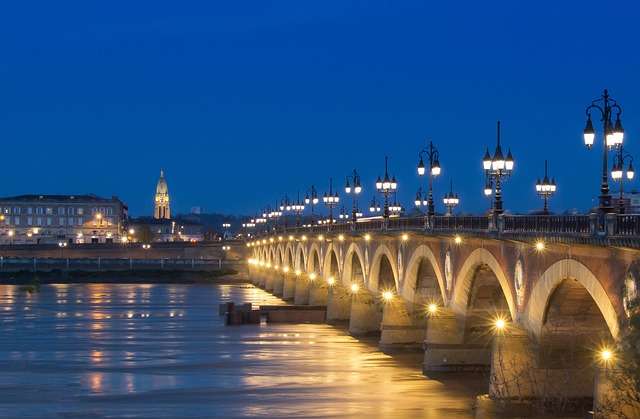
France hockey is a serious European hockey story, but it is not evenly spread across the country. The sport has traditional roots in mountain and winter-sport regions, especially in places connected to the Alps and historic clubs such as Chamonix. In modern France, hockey has also grown into larger cities, where clubs in places such as Rouen, Grenoble, Amiens, Angers, Bordeaux, Marseille, and Nice have helped give the sport a wider national profile. France is an IIHF member with ranked men’s and women’s national teams, and French hockey now sits between older Alpine tradition and newer urban ambition.
What Defines France Hockey
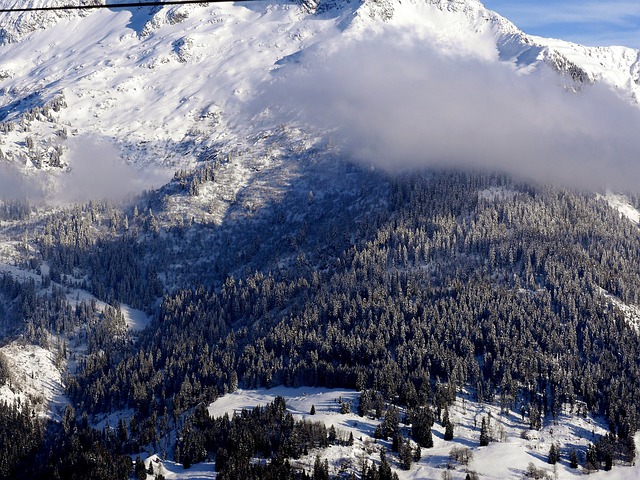
France hockey is defined by geography and transition. For much of its history, French ice hockey was associated with mountain towns, winter resorts, and places where skating culture fit naturally into the local environment. Chamonix, Grenoble, and other Alpine or near-Alpine centers helped give the sport its early identity.
Today, France hockey is also becoming more urban. Major cities are increasingly important to the sport’s future because they offer larger audiences, bigger arenas, broader media potential, and more commercial possibilities. Recent reporting on French hockey before the 2026 Olympics described the sport as traditionally rooted in mountain regions such as Chamonix and Morzine, while also gaining traction in cities including Marseille, Nice, and Bordeaux.
That mix defines the French hockey identity: old mountain roots, serious club traditions, and a search for wider visibility in a football-dominant sports culture.
The Local Style of the Game
France hockey has often been shaped by a blend of domestic development and international influence. The top French league, Ligue Magnus, includes clubs with different histories, budgets, and regional identities. Some clubs are tied to older hockey areas, while others represent the sport’s effort to grow in larger cities.
The French style is harder to reduce to one simple label than Finnish or Canadian hockey. It is a developing European hockey style, influenced by domestic clubs, imports, national-team needs, and the challenge of keeping elite French players in strong development environments. The best French players often need to test themselves in stronger leagues abroad, while domestic clubs work to raise the standard at home.
French hockey’s reputation is also tied to resilience. The national team is usually not a medal favorite at the highest level, but it has enough quality to compete seriously in European and IIHF contexts. The goal is not just participation; it is building enough depth to stay relevant.
The People and Places Behind France Hockey
French hockey is carried by its clubs and regional centers. Rouen and Grenoble are among the most important modern names, with strong domestic profiles and major roles in French club hockey. Chamonix remains historically important because it connects the sport to its older Alpine identity. Amiens, Angers, Bordeaux, Nice, Marseille, Cergy-Pontoise, and other cities add to the modern map.
The national team gives French hockey a wider stage. Players such as Philippe Bozon, Cristobal Huet, Antoine Roussel, and Pierre-Édouard Bellemare have helped make French hockey more recognizable internationally. Bellemare is especially useful as a modern symbol because his career connects French development to the NHL and international competition.
France’s women’s hockey program also deserves attention. The French women are ranked in the IIHF women’s structure and give the country a fuller hockey profile than a men’s-only view would suggest.
Why France Hockey Matters
France hockey matters because it represents one of Europe’s most interesting middle-tier hockey projects. France is a large, wealthy, sports-heavy country with the population and urban base to support more hockey than it currently does. The challenge is competition: football, rugby, basketball, tennis, cycling, handball, and other sports all have stronger national profiles.
That makes hockey’s growth in France important. If French clubs can keep building attendance, facilities, youth programs, and media visibility, the country has room to become a stronger European hockey nation. The sport’s spread from mountain regions into major cities is especially significant because it gives hockey access to larger audiences and deeper development pools.
France is not yet an elite hockey power, but it has enough structure and tradition to matter.
The Future of France Hockey
The future of France hockey depends on connecting its older Alpine roots with its urban growth. Stronger clubs, better youth development, women’s hockey expansion, and national-team visibility can all help. France does not need to become Finland or Sweden to be important. Its next step is becoming a deeper, more stable European hockey country with a clearer place in major cities and a stronger pipeline for French players.


Interested in Sports in France?
American Football in France | Baseball in France | Basketball in France | Cricket in France | Football (Soccer) in France | Rugby in France