Estonia hockey is a compact but meaningful part of the European hockey map. The country does not have the size, resources, or player depth of the major hockey nations, but it has enough history, organization, and regional context to deserve attention. Estonia sits near stronger hockey cultures in Finland, Latvia, Sweden, and Russia, which gives the sport a natural regional reference point even when its domestic base is smaller.
Estonian hockey is best understood as a small-country development story. It is not built around a major professional league or a long list of global stars. It is built around rinks, clubs, youth programs, national-team competition, and the challenge of keeping players involved in a country where football, basketball, skiing, and other sports compete for attention.
What Defines Estonia Hockey
Estonia hockey is defined by its position between stronger hockey neighbors. The country is part of the Baltic region, but its hockey profile is smaller than Latvia’s. It also sits close to Finland, one of the world’s strongest hockey countries, which gives Estonian hockey a nearby model of elite development.
That geography matters. Estonia is not isolated from hockey culture. It is surrounded by countries where the sport has a stronger professional or national presence. That creates opportunities for influence, competition, coaching exchange, and player movement, but it also makes Estonia’s smaller scale more visible.
The defining feature of Estonia hockey is persistence. The sport exists through organized clubs, national-team participation, and the work of people who keep the game alive even when the domestic player pool is limited.
How Hockey Is Building Its Identity in Estonia
Estonia hockey is still building its identity around development rather than dominance. The country’s hockey style is shaped by limited depth, indoor facilities, and the need to create competitive players from a relatively small base.
In a country like Estonia, every rink and club carries extra weight. A strong local program can influence an entire age group. A good coach can shape the next wave of national-team players. Youth development is not just one part of the system; it is the system.
Estonian hockey also has to be realistic about pathways. Players who want higher-level opportunities may need to look beyond the domestic league structure. That can mean competing abroad, joining stronger European development systems, or using international tournaments as a way to gain experience.
The People and Places Behind Estonia Hockey
The people behind Estonia hockey are often club organizers, coaches, youth players, national-team representatives, and families who understand that the sport requires commitment. The domestic scene is smaller than in major hockey countries, so the same people may serve many roles: coaching, organizing, promoting, developing, and sustaining the sport.
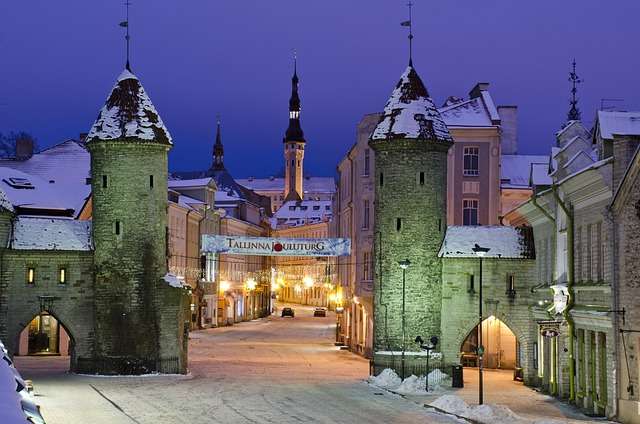
Tallinn is naturally important because it is the country’s largest city and a central point for sports infrastructure. Other hockey communities also matter because small-country hockey depends on more than one local base. The more places that can offer ice time, coaching, and youth participation, the stronger the sport becomes.
For Estonia, the national team is also an important symbol. Even when a country is not competing for the top medals, international hockey gives players a clear goal and gives the sport public meaning.
Why Estonia Hockey Matters
Estonia hockey matters because it represents the small-nation side of European hockey. Not every country can be Finland, Sweden, Czechia, or Germany. Smaller countries still matter because they make the sport more genuinely international.
Estonia’s hockey story also shows how geography can shape ambition. The country is close enough to major hockey cultures to understand the standard, but small enough that every development step matters. That makes the sport’s progress more fragile, but also more interesting.
Estonia hockey is not about mass popularity. It is about building enough structure, confidence, and continuity to keep the country connected to the wider hockey world.
The Future of Estonia Hockey
The future of Estonia hockey depends on youth development, rink access, coaching, women’s hockey growth, and international competition. The country’s best path is steady progress: more young players, stronger clubs, better development links, and regular national-team participation. Estonia does not need to become a major hockey power to have a meaningful hockey identity. It needs a stable system that gives players a reason to stay with the sport.
Interested in Sports in Estonia?
American Football in Estonia | Baseball in Estonia | Basketball in Estonia | Cricket in Estonia | Football (Soccer) in Estonia | Rugby in Estonia