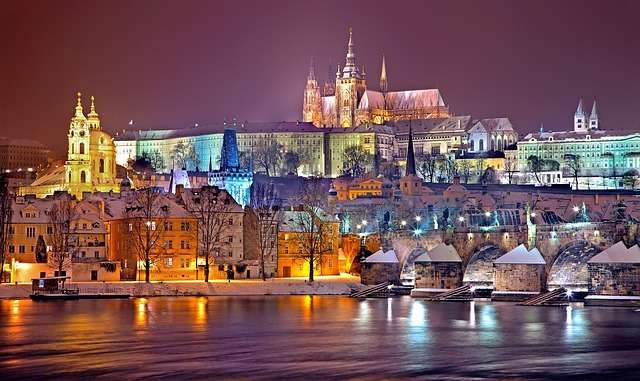
Czechia hockey is one of Europe’s great hockey traditions: skilled, technical, proud, and deeply tied to the old Czechoslovak hockey school. The country’s hockey identity is not only about producing NHL stars, although it has done that for generations. It is also about puck skill, creative forwards, intelligent defensemen, strong goaltending, historic clubs, and a national team culture that still carries the weight of major international moments. Czechia is not the largest hockey country, but it has long been one of the sport’s most influential. Its hockey reputation comes from the combination of old European club culture, Czechoslovak international success, Olympic history, and the continued importance of the Czech Extraliga as both a domestic league and a development platform.
What Defines Czechia Hockey
Czechia hockey is defined by skill, patience, and technical confidence. The Czech game has historically valued puck control, passing, deception, and attacking creativity. Czech players have often been known for their hands and vision rather than only for size or straight-line physicality. That does not mean Czech hockey lacks toughness, but its global reputation has usually been built around players who can slow the game down, find seams, handle the puck in tight areas, and create offense through intelligence.
The country’s hockey identity also comes from continuity. Modern Czech hockey is the successor to Czechoslovak hockey, which was one of the strongest traditions in the world during the twentieth century. Czechoslovakia won multiple world titles and developed legendary players before the peaceful split of Czechia and Slovakia in 1993. Czechia inherited much of that institutional hockey memory: the clubs, coaching habits, player-development culture, and international expectations.
Another defining trait is the balance between domestic pride and international export. Czech fans care deeply about the national team and the Czech Extraliga, but the country’s best players have often tested themselves abroad in the NHL, other European leagues, and international tournaments. Czechia hockey therefore has two faces: the local club tradition rooted in cities such as Prague, Pardubice, Brno, Třinec, Plzeň, and Kladno, and the export tradition that has sent Czech stars to the biggest stages in the sport.
The Style and Reputation of Czechia Hockey
The reputation of Czechia hockey is built on artistry and intelligence. At its best, Czech hockey has a distinctive rhythm: clever movement, sharp passing, quick support, and a willingness to use skill rather than simply force plays into open ice. Czech forwards have often been admired for creativity, while Czech defensemen have frequently brought poise, mobility, and puck-moving ability.
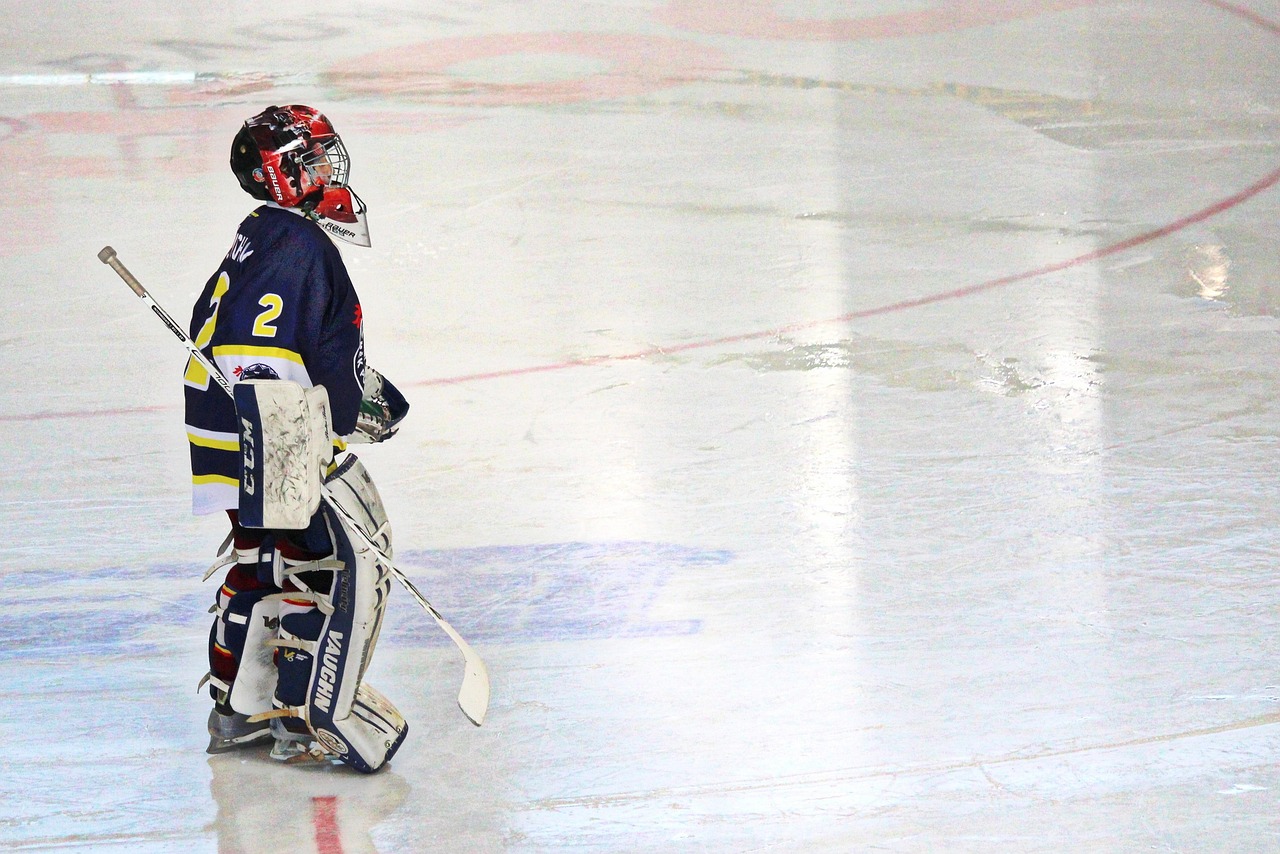
Czech goaltending is also an important part of the country’s reputation. Dominik Hašek became one of the greatest goaltenders in hockey history, but he was not an isolated figure in a country without a goalie tradition. Czech and Czechoslovak hockey produced important goaltenders before and after him, and the position remains part of the country’s international image. IIHF retrospectives on Czech hockey place Hašek alongside earlier Czechoslovak greats such as Jiří Holeček and Bohumil Modrý, connecting modern Czech goaltending to a much older national lineage.
Czech hockey is also associated with emotional national-team moments. The country does not treat international hockey as secondary. World Championships, Olympic tournaments, and games against historic rivals carry real cultural weight. Czechia’s 1998 Olympic gold in Nagano remains the defining modern symbol of Czech hockey excellence, especially because it came during the first Olympics with NHL participation. That victory placed Czech hockey at the center of the sport’s global story and confirmed the country’s ability to beat larger hockey powers on the biggest stage.
The Moments That Shaped Czechia Hockey
Czechia hockey has been shaped by several layers of history. The first layer is the old Czechoslovak era, when the national program became a major force in European and international hockey. Czechoslovakia’s success helped establish the country’s technical identity and created a standard that later Czech teams would be measured against.
The second layer is the post-1993 Czech era. After the split of Czechoslovakia, Czechia had to stand on its own as a hockey nation. It did so quickly. The 1998 Olympic gold medal in Nagano became the signature moment of Czech hockey after independence. Led by players such as Dominik Hašek and Jaromír Jágr, Czechia defeated a field full of NHL stars and gave the country one of its most celebrated sporting achievements.
The third layer is the country’s continued World Championship relevance. Czechia has not always been as dominant as it was in the late 1990s and early 2000s, but it has remained an important international hockey country. Its 2024 IIHF World Championship gold, won on home ice, was especially meaningful because it reconnected the current generation to the country’s older championship tradition. That tournament reinforced Czechia’s status as a country where hockey success still matters nationally and where home crowds can turn international hockey into a major cultural event.
The fourth layer is the NHL legacy. Czech players have been prominent in the NHL for decades. Jaromír Jágr became one of the greatest offensive players in league history and remains a global symbol of Czech hockey longevity and skill. His continuing connection to Rytíři Kladno also links Czech hockey’s international fame back to its domestic club roots.
The Players, Teams, and Pathways Behind Czechia Hockey
Czechia’s hockey system is anchored by clubs. The Czech Extraliga is the country’s top domestic league and remains central to the sport’s national infrastructure. Clubs such as Sparta Prague, Kometa Brno, Dynamo Pardubice, Oceláři Třinec, Škoda Plzeň, Mountfield HK, and Rytíři Kladno are more than just professional teams. They are development institutions, local identity markers, and links between youth hockey, senior hockey, and national-team culture.
The Czech pathway has historically produced players who can move into the NHL, other European leagues, and international competition. Famous Czech players include Jaromír Jágr, Dominik Hašek, Patrik Eliáš, Milan Hejduk, Václav Nedomanský, Ivan Hlinka, Robert Reichel, Tomáš Plekanec, David Krejčí, Jakub Voráček, David Pastrňák, and many others. Some represent the old Czechoslovak bridge into modern hockey, while others represent Czechia’s continued ability to produce elite talent in the NHL era.
David Pastrňák is especially important to the modern image of Czechia hockey. He brings together Czech creativity, NHL stardom, national-team importance, and a style of play that feels connected to the country’s offensive tradition. His visibility has helped keep Czech hockey prominent for younger fans, especially at a time when the country is working to maintain its place among the elite hockey nations.
Women’s hockey is also becoming more important to Czechia’s broader hockey identity. The Czech women’s national team has improved significantly in recent years, giving the country a more complete international profile. That matters because modern hockey strength is no longer measured only by men’s NHL exports or men’s national-team medals. Countries with serious hockey futures need broader participation, better girls’ development, and competitive women’s programs.
Where Czechia Hockey Goes Next
The future of Czechia hockey depends on preserving its technical identity while continuing to modernize development. The country still has strong clubs, passionate fans, elite players, and a national team capable of major international success. The challenge is depth: producing enough high-end players, supporting youth development, strengthening women’s hockey, and keeping the domestic league valuable in a global market where many top players leave for the NHL or wealthier European leagues.
Czechia hockey’s strongest advantage is that it does not need to invent an identity. It already has one. The task is to keep that identity alive in a faster, more expensive, more physically demanding version of the sport.




Interested in Sports in Czech Republic?
American Football in Czech Republic | Baseball in Czech Republic | Basketball in Czech Republic | Cricket in Czech Republic | Football (Soccer) in Czech Republic | Rugby in Czech Republic