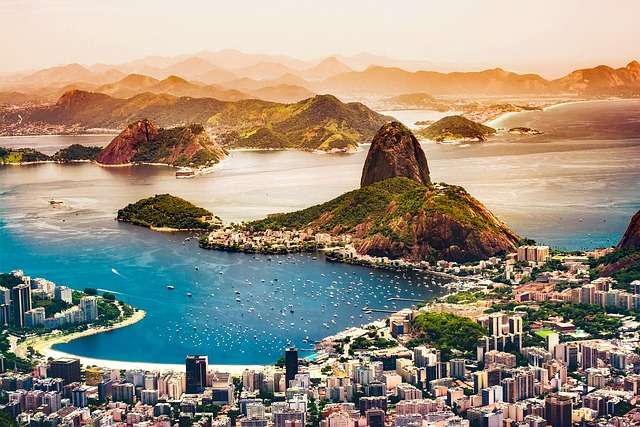
Brazil hockey is not one simple story. In a country dominated by football and known globally for volleyball, basketball, mixed martial arts, futsal, surfing, and motorsport, hockey sits on the edge of the sports map. But Brazil has several hockey pathways: inline hockey, ice hockey, field hockey, and local development efforts tied to facilities, federations, clubs, and urban participation. Ice hockey is limited by rink access, but Brazil has shown enough activity to make it one of the more interesting warm-weather hockey countries in Latin America.
What Defines Brazil Hockey
Brazil hockey is defined by adaptation. The country does not have the climate or ice infrastructure of traditional hockey nations, so the sport has had to develop through alternative routes. Inline hockey has been especially important because it allows players to build skating, stickhandling, and team skills without depending on full ice access.
Brazil’s ice hockey program is connected to the Brazilian Ice Sports Federation, and Brazil has been associated with the IIHF as an associate member. The national men’s ice hockey team has not had the same World Championship presence as established IIHF countries, but it has participated in regional competition such as the Pan American Tournament.
That makes Brazil a warm-weather hockey development country rather than a traditional hockey nation. Its hockey identity is based on creativity, limited infrastructure, and the ability to use inline and small-ice formats as bridges toward broader ice hockey participation.
How Hockey Is Building Its Identity in Brazil
Brazil hockey is building its identity through rebuilding and experimentation. The IIHF reported in 2023 that Brazil had organized national ice hockey championships after a long hiatus, including youth, men’s, and women’s competitions. Because of ice-size limitations, those events used a 3-on-3 format. That detail is important: it shows Brazil adapting the sport to the facilities it has rather than waiting for perfect conditions.
The creation of a women’s championship was especially notable because it gave Brazil’s hockey structure a broader base. In emerging hockey countries, women’s and youth competitions are not side projects. They are signs that the sport is trying to create a real ecosystem.
Brazil’s inline hockey background also matters. The IIHF has previously highlighted Brazil in inline hockey contexts, and inline play gives the country a more natural hockey surface than ice.
The Brazilian hockey identity is therefore not purely ice-based. It is a blended hockey culture where inline, ice, and development formats all help keep the sport moving.
The People and Places Behind Brazil Hockey
Brazil hockey is carried by federation organizers, players, coaches, and local communities working with limited access to ice. The country’s size creates both opportunity and difficulty. Brazil has huge cities, large youth populations, and a deep sports culture, but hockey requires specific facilities and equipment that are not widely available.
Urban centers are likely to be the key to hockey growth. Cities with rinks, roller facilities, clubs, or sports complexes can become development hubs. Because Brazil is so large, hockey cannot grow evenly everywhere at once. It needs concentrated pockets of activity that can sustain regular training and competition.
The people behind Brazil hockey also include players who move between inline and ice formats. That crossover may be one of the country’s best assets. In places where ice time is limited, inline hockey can keep athletes active and help develop transferable skills.
Why Brazil Hockey Matters
Brazil hockey matters because it shows how the sport can adapt in a major warm-weather country. Brazil is not a small sports market. If hockey can build even a modest presence there, it adds an important chapter to the global game.
Brazil also matters because it complicates the idea that ice hockey development must begin with full-size rinks and traditional winter culture. The country’s 3-on-3 national ice hockey events, inline crossover, and youth and women’s activity suggest a more flexible model.
For a worldwide hockey site, Brazil is worth more than a placeholder because it has a distinct development angle: big country, limited ice, strong sports culture, inline bridge, and national federation ambition.
The Future of Brazil Hockey
The future of Brazil hockey depends on facilities, coaching, equipment access, youth recruitment, women’s development, and stronger links between inline and ice hockey. Brazil is unlikely to become a traditional ice hockey country quickly, but it does not need to follow a traditional path. If the country can keep organizing competitions, expand youth participation, and use inline hockey as a development bridge, Brazil can become one of Latin America’s most interesting hockey growth stories.

Interested in Sports in Brazil?
American Football in Brazil | Baseball in Brazil | Basketball in Brazil | Cricket in Brazil | Football (Soccer) in Brazil | Rugby in Brazil