
Australia hockey is a different kind of hockey story. It does not come from frozen ponds, long winters, or a deep professional ice hockey culture. Instead, it has grown through indoor rinks, dedicated clubs, national teams, and players who often have to work harder for ice time and high-level competition than players in traditional hockey countries. In Australia, hockey exists far from the sport’s global center, but that distance gives the game a distinct identity: committed, resilient, and built by people who choose the sport even when it is not the obvious local option.
What Defines Australia Hockey
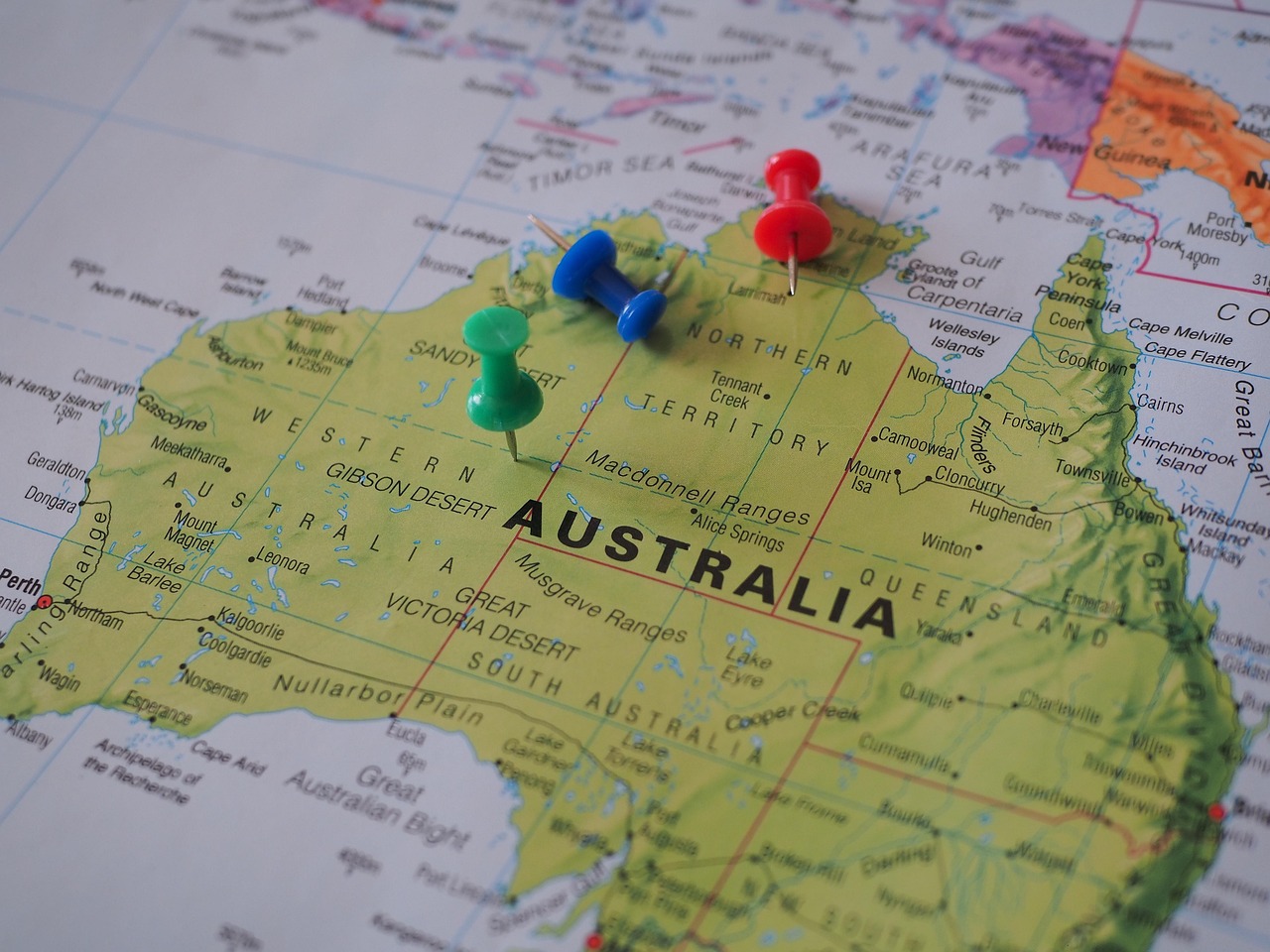
Australia hockey is defined by persistence. The country has a warm climate, a large geography, and a sports culture dominated by Australian rules football, rugby, cricket, soccer, swimming, and tennis. Ice hockey has to compete for attention, facilities, players, and resources.
That makes the sport heavily dependent on clubs and rinks in major cities. Hockey communities in places such as Melbourne, Sydney, Brisbane, Adelaide, Perth, and Canberra give the sport its structure. These communities support youth players, adult leagues, women’s teams, and national-team pathways.
Unlike traditional hockey countries, Australia cannot rely on natural ice culture. Its hockey identity is built indoors. Players usually find the sport through family interest, local rinks, international exposure, or curiosity rather than through a national winter tradition. That gives Australian hockey a smaller but more intentional player base.
How Hockey Is Building Its Identity in Australia
The style of Australian hockey is shaped by limited ice and long travel. Players often have fewer development hours than athletes in Canada, the United States, Sweden, Finland, or Czechia. That means Australian players and coaches must make the most of available training time, tournaments, and international competition.
Australian hockey also has a strong representative identity. Because the domestic scene is smaller, national-team participation carries real meaning. Playing for Australia connects local club players to the wider hockey world and gives the sport a sense of purpose beyond domestic leagues.
Women’s hockey is also an important part of the Australian story. In countries where ice hockey is still developing, women’s programs can become central to the sport’s growth because they expand the player base and create more international pathways. Australia’s women’s hockey scene shows how the sport can build depth even without mainstream attention.
The People and Places Behind Australia Hockey
Australian hockey is carried by rinks, clubs, coaches, families, and national-team players. The sport’s most important places are usually the cities with enough ice infrastructure to support regular competition. In a country as large as Australia, geography matters. Travel between cities can be difficult, which makes national tournaments and league competition more demanding.
The Australian Ice Hockey League gives the men’s game a visible domestic platform, while women’s leagues and club programs support the women’s side. These competitions help give players regular games and help fans connect to local teams.
Australia has also produced players who have tested themselves overseas, including in North America and Europe. Those players matter because they show young Australians that the sport can lead beyond local rinks. Even when the pathway is difficult, it is not closed.
Why Australia Hockey Matters
Australia hockey matters because it shows how ice hockey can survive outside its natural climate map. The sport is not easy to build in Australia. It requires indoor facilities, committed families, and players willing to travel and train in a smaller ecosystem.
That makes Australia useful to the global hockey story. It proves that hockey can exist as a serious niche sport in a warm-weather country with a crowded sports market. It also gives the Southern Hemisphere a meaningful place in the international ice hockey landscape.
Australian hockey is not judged only by NHL production or global ranking. Its value comes from the fact that the sport has built a real community in a place where it has to fight for every inch of visibility.
The Future of Australia Hockey
The future of Australia hockey depends on rinks, youth development, women’s participation, coaching, and stronger domestic competition. Growth will likely be steady rather than explosive. If more young players can access affordable ice time and see clear pathways into club, national, and overseas hockey, Australia can keep strengthening its place as one of the most interesting nontraditional hockey countries.


















Interested in Sports in Australia?
American Football in Australia | Baseball in Australia | Basketball in Australia | Cricket in Australia | Football (Soccer) in Australia | Rugby in Australia