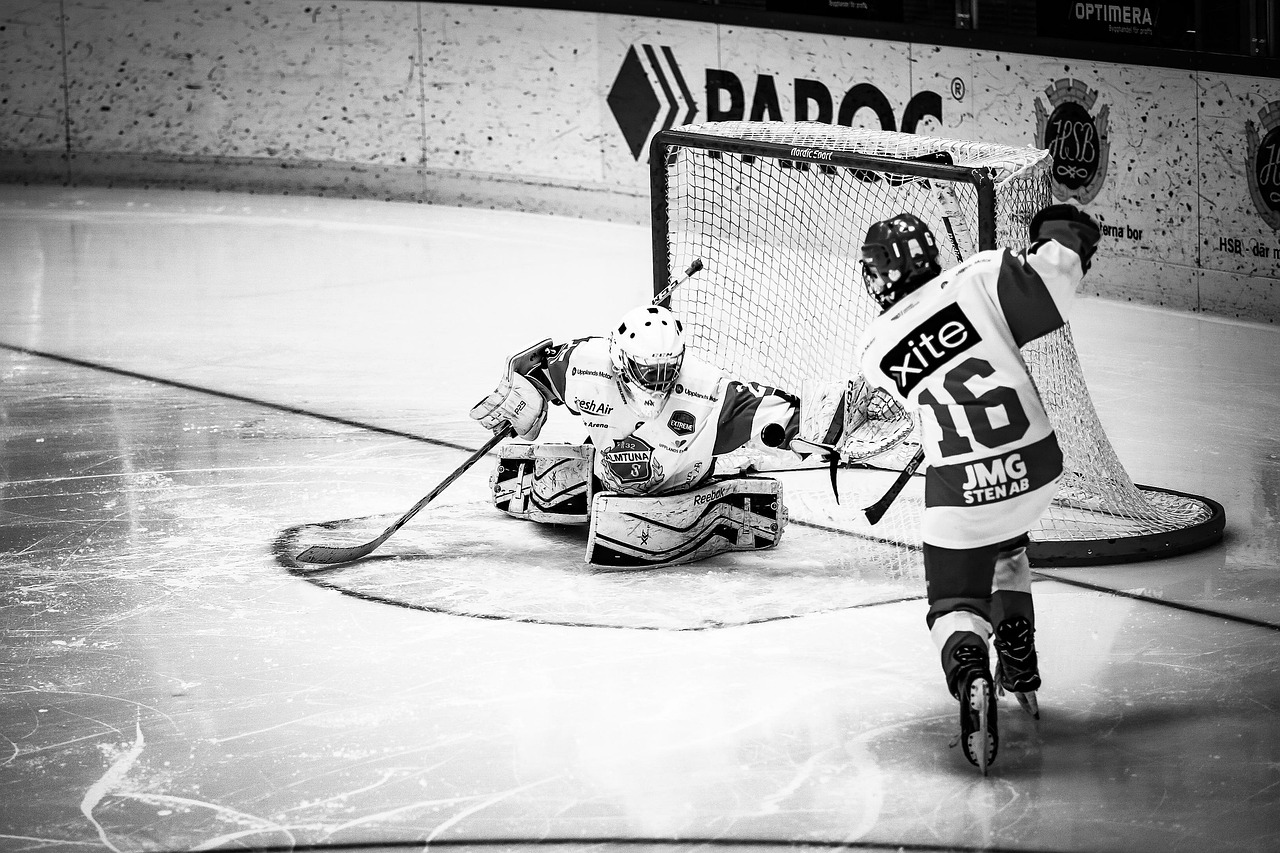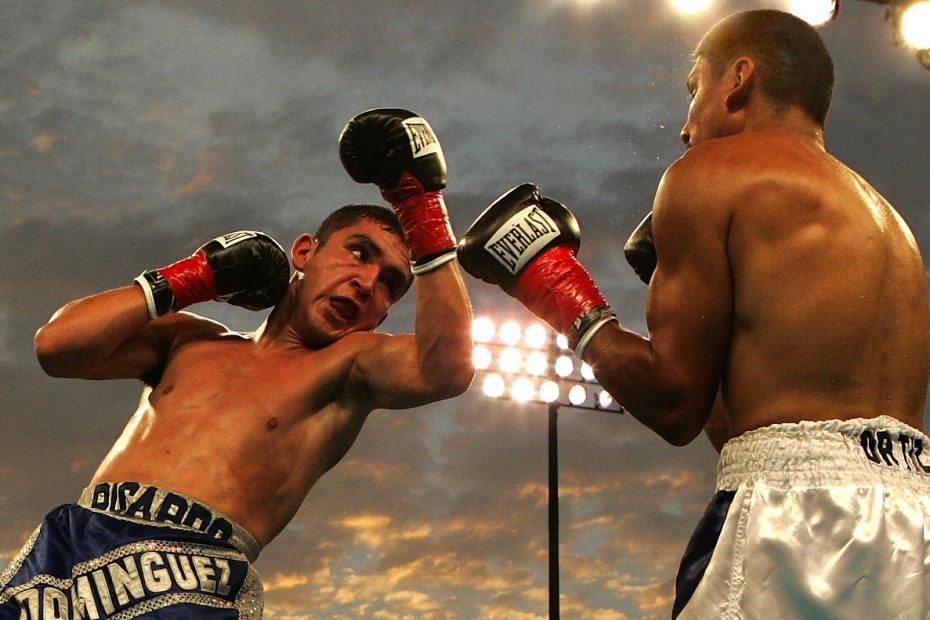
The enforcer era was one of hockey’s most complicated chapters because fighting was not just a reaction to anger. For decades, it was part of how teams built rosters, protected stars, shaped identity, and managed fear on the ice. Enforcers were expected to answer dangerous hits, deter opponents, shift momentum, and uphold an unwritten code that many players believed made the game safer and more accountable. Yet the same role also exposed players to repeated head trauma, short careers, and a narrow professional identity built around risk. The story matters because it sits in hockey’s moral gray zone: protection and harm existed inside the same job.
Why the Enforcer Era Became Possible
Fighting existed in hockey long before the enforcer became a defined roster type, but the modern version of the role grew from the game’s speed, physical contact, limited space, and long-standing tolerance for player-policed justice. Hockey developed with formal rules and informal rules operating side by side. Referees controlled penalties, but players also believed in a separate code: certain actions required an answer, and some answers were expected to come immediately.
That code became especially important in eras when skill players were vulnerable to obstruction, slashing, charging, late hits, and intimidation away from the puck. A team’s best scorer could be targeted not only because of his talent, but because slowing him down could change a series. In that environment, the enforcer became a kind of deterrent. The message was direct: if a team took liberties with a star, someone would respond.
This made fighting part of roster construction. A team did not simply ask whether a player could score, defend, or kill penalties. It also asked whether the lineup had enough physical protection. Coaches and general managers looked for players who could change the emotional temperature of a game, absorb punishment, and make opponents think twice. Some enforcers played regular shifts and contributed in other ways. Others had narrower jobs, built around presence, intimidation, and response.
The role also fit the identity of certain teams and cities. Physical hockey could become a brand. Fans valued players who seemed willing to sacrifice themselves for teammates. Teammates often respected enforcers because the job was difficult, public, and punishing. The enforcer was not just a fighter in the abstract. He was often seen as a guardian of the room, a player whose value came from loyalty and willingness.
That is what made the role powerful. It was not merely tolerated; it was culturally meaningful.
The Code That Turned Fighting Into a Job
The enforcer’s role depended on the idea that hockey had a code. The code was never a formal rulebook, but it shaped behavior. It suggested who could be challenged, when a fight was acceptable, what kind of hit required a response, and why certain players had to answer for what they did. In theory, the code created accountability. In practice, it also created pressure.
A player who injured a star, delivered a questionable hit, or acted disrespectfully could expect a response. Sometimes that response came from the injured player’s teammate. Sometimes it came later in the game. Sometimes it carried into the next meeting between the teams. The enforcer’s work was partly physical and partly psychological. He had to know the temperature of the game, understand who needed protection, and recognize when a fight might settle something rather than escalate it.
This is where the role became more complicated than the public caricature. Enforcers were not simply random fighters. Many had to read the bench, understand matchups, manage reputation, and operate within a narrow emotional lane. They were expected to be aggressive but not reckless, intimidating but not uncontrolled, loyal but not selfish. A poorly timed fight could hurt the team. A refused fight could damage a player’s standing. A fight after a dangerous hit could be framed as justice. A fight staged only for energy could look like theater.
The role also shaped careers. Some players reached the NHL because they could fight. Some stayed in the league because they could protect teammates. Others found that the same skill that opened the door also trapped them. Once a player was classified as an enforcer, it could be hard to become anything else. Even players with broader hockey ability could be reduced to the function their team needed most.
That reduction carried real costs. Enforcers fought larger opponents, absorbed repeated punches, played through injuries, and lived with the knowledge that their roster spot depended on willingness to do dangerous work. The job often required courage, but it also required submission to a system that rewarded risk while offering limited long-term security.
The mythology of the enforcer made that easier to romanticize. Hockey culture celebrated toughness, loyalty, and sacrifice. Those values are real. But the same mythology could blur the damage. It could make pain look noble, pressure look voluntary, and repeated trauma look like the price of belonging.
Why Hockey Could Not Keep the Role Untouched
The enforcer era began to change as hockey changed. The game became faster, more specialized, and more skill-driven. Rule enforcement improved in areas that had once been handled by retaliation. Teams began to value skating, puck movement, defensive versatility, and special-teams usefulness from every roster spot. A player who could fight but could not keep pace became harder to carry.
The safety conversation also changed. Fighting had always carried visible risk, but the deeper concern became the cumulative effect of repeated head impacts. The deaths and post-career struggles of several former enforcers forced hockey to confront the human cost of a role that had often been wrapped in tradition. The issue was no longer only whether fighting entertained fans or deterred cheap shots. It became whether the sport had built a job around damage and then called it culture.
That did not erase the old argument entirely. Many former players and fans still believe fighting had a policing function, especially in a sport where sticks, boards, speed, and emotion can create dangerous situations. They argue that the threat of a response made players more accountable. Others argue that formal discipline, better officiating, suspensions, and roster skill are better tools than violence delegated to specific players.
The result is not a clean moral story. The enforcer era produced beloved teammates, memorable characters, and real examples of players protecting one another. It also produced men whose professional value was tied to physical punishment. Hockey’s difficulty in discussing the role comes from that overlap. The same player could be admired, exploited, necessary within the old system, and harmed by that system.
Modern hockey has not fully erased fighting, but it has reduced the space for the one-dimensional enforcer. The sport still values toughness, but toughness now has to travel with skating, structure, discipline, and skill. The old roster slot reserved for a pure fighter has largely given way to players who can be physical without being limited to enforcement.
That shift changed how hockey understands protection. It moved responsibility away from one designated fighter and toward officials, league discipline, coaching standards, and team-wide physical accountability. The code did not vanish, but it lost some of its authority.
The enforcer era remains powerful because it reveals hockey at its most conflicted. It was built from loyalty, fear, violence, strategy, and identity, all operating at once. The role made sense inside the world that created it, but that does not settle what it cost. Its legacy is not just fighting. Its legacy is the question of how a sport decides which forms of toughness are worth preserving.