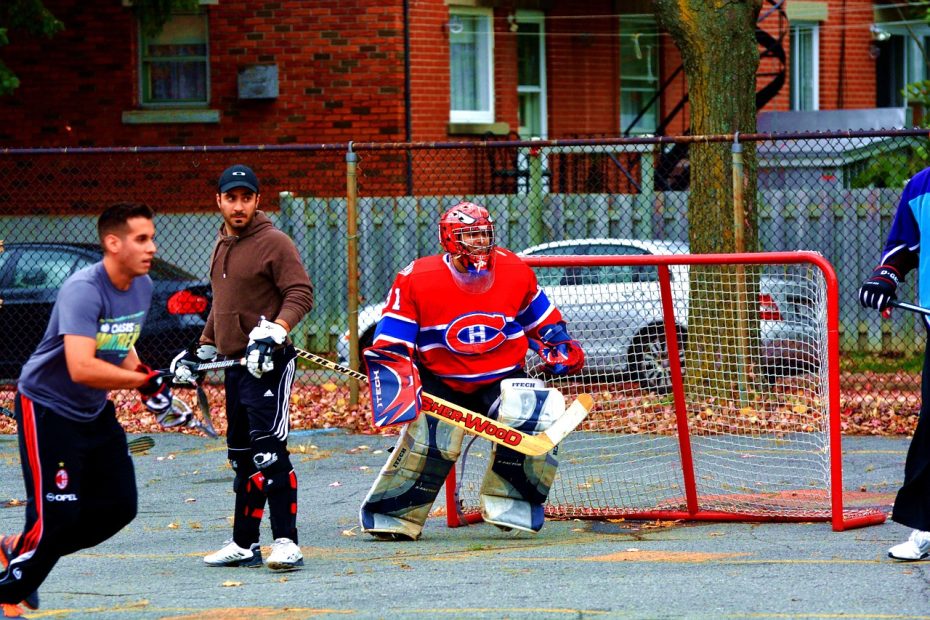
Hockey as Canada’s pastime is not just a story about a country liking a sport. It is a story about climate, geography, public space, small-town life, class, media, nationalism, and memory all gathering around one winter game. Canada formally recognizes ice hockey as its national winter sport, while lacrosse is recognized as its national summer sport. But hockey’s cultural power comes from more than law. It comes from the way rinks became gathering places, the way children learned the game before they fully understood its symbolism, and the way international victories and losses became part of Canada’s public imagination. Hockey became a sport, a calendar, a language, and sometimes a burden.
How Hockey Became Built Into Canadian Winter
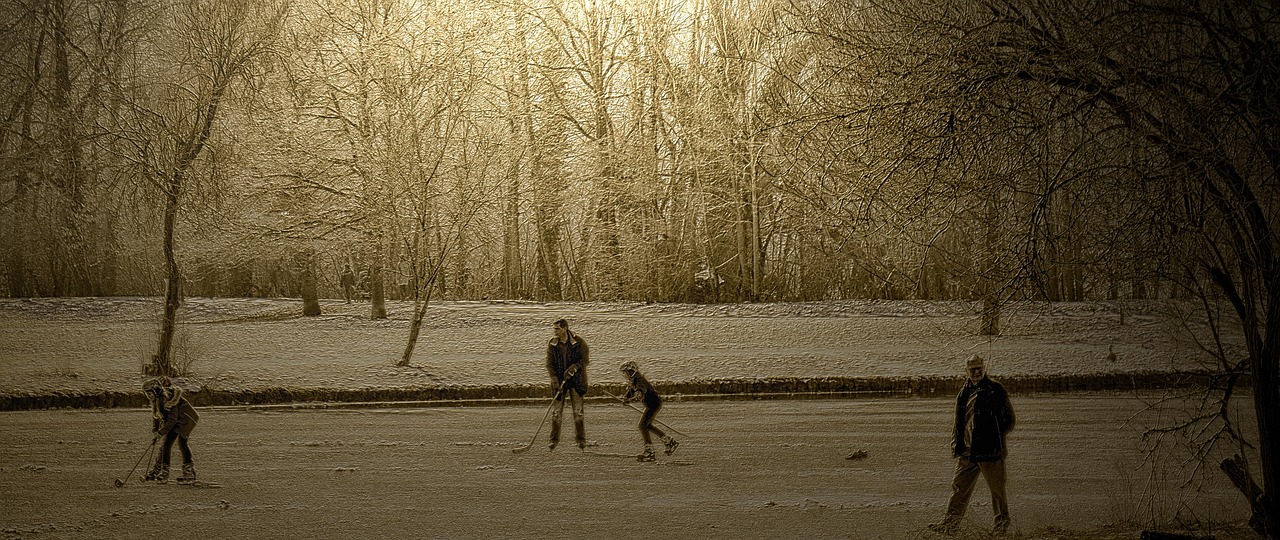
Hockey’s connection to Canada begins with a practical fact: winter made ice part of everyday life. Frozen ponds, rivers, backyard rinks, schoolyards, and community arenas gave the sport a natural environment before it became a major commercial product. In many places, hockey did not arrive as a polished national institution. It grew because the conditions were already there: cold weather, long winters, open space, and communities looking for a shared winter activity.
That setting mattered. A public rink was not just a playing surface. It was a place where families gathered, where kids learned social rules as much as skating skills, and where a town could see itself reflected in jerseys, schedules, and local rivalries. In small communities, the arena often became one of the most important social buildings in town. It connected school life, family life, local sponsorship, volunteer labor, and weekend routine.
This is why hockey became so closely tied to Canadian memory. The sport could feel local before it felt national. A child did not need to begin with the NHL, the Olympics, or a formal idea of Canadian identity. The first version of hockey might be a cold rink, a parent tying skates, a school team, a minor hockey tournament, or a road trip to another town. The mythology grew from those ordinary scenes.
The national story came later, but it had strong material roots. Canada did not simply choose hockey as a symbol from above. Hockey had already entered daily life through weather, infrastructure, and repetition. By the time governments, broadcasters, advertisers, and national teams turned hockey into a public emblem, the game already had deep emotional ownership in communities across the country.
Hockey as Canada’s Pastime and the Pressure of Identity
The phrase “Hockey as Canada’s Pastime” carries more weight than a normal sports slogan because it asks the game to represent the country’s soul. That is powerful, but it is also complicated. When a sport becomes a national mirror, people do not only argue about scores. They argue about character, toughness, fairness, belonging, masculinity, regional pride, language, class, and what kind of country Canada believes itself to be.
Hockey has often been framed as a sport that expresses Canadian virtues: resilience, teamwork, modesty, discipline, endurance, and comfort with winter. Those ideas are part of the sport’s appeal. A hard shift on the ice can look like a cultural metaphor. A player blocking a shot can become a lesson in sacrifice. A frozen outdoor rink can become an image of national simplicity, even when the real hockey system is expensive, competitive, and shaped by access.
That tension is central to the story. Hockey can feel democratic because anyone can understand the basic image of children playing on ice. But organized hockey can also be costly. Equipment, registration fees, travel, private training, and elite development can separate families by income. The game’s mythology often celebrates small towns and outdoor rinks, while the modern pathway to high-level hockey increasingly depends on money, time, transportation, and specialized coaching.
There is also the pressure placed on players and fans. If hockey is treated as the national game, then success and failure can feel larger than sport. Canada does not merely want to win; it often expects hockey to confirm something about Canada itself. International tournaments can become identity tests. Rivalries can become symbolic contests. A gold medal can feel like national reassurance, while a major loss can produce public anxiety.
That is what makes hockey different from simple popularity. Many countries love sports. Canada turned hockey into one of its main ways of narrating itself. The rink became a setting where ideas about nationhood could be performed, defended, challenged, and passed down.
The Mythology That Made the Game Feel Bigger Than Itself
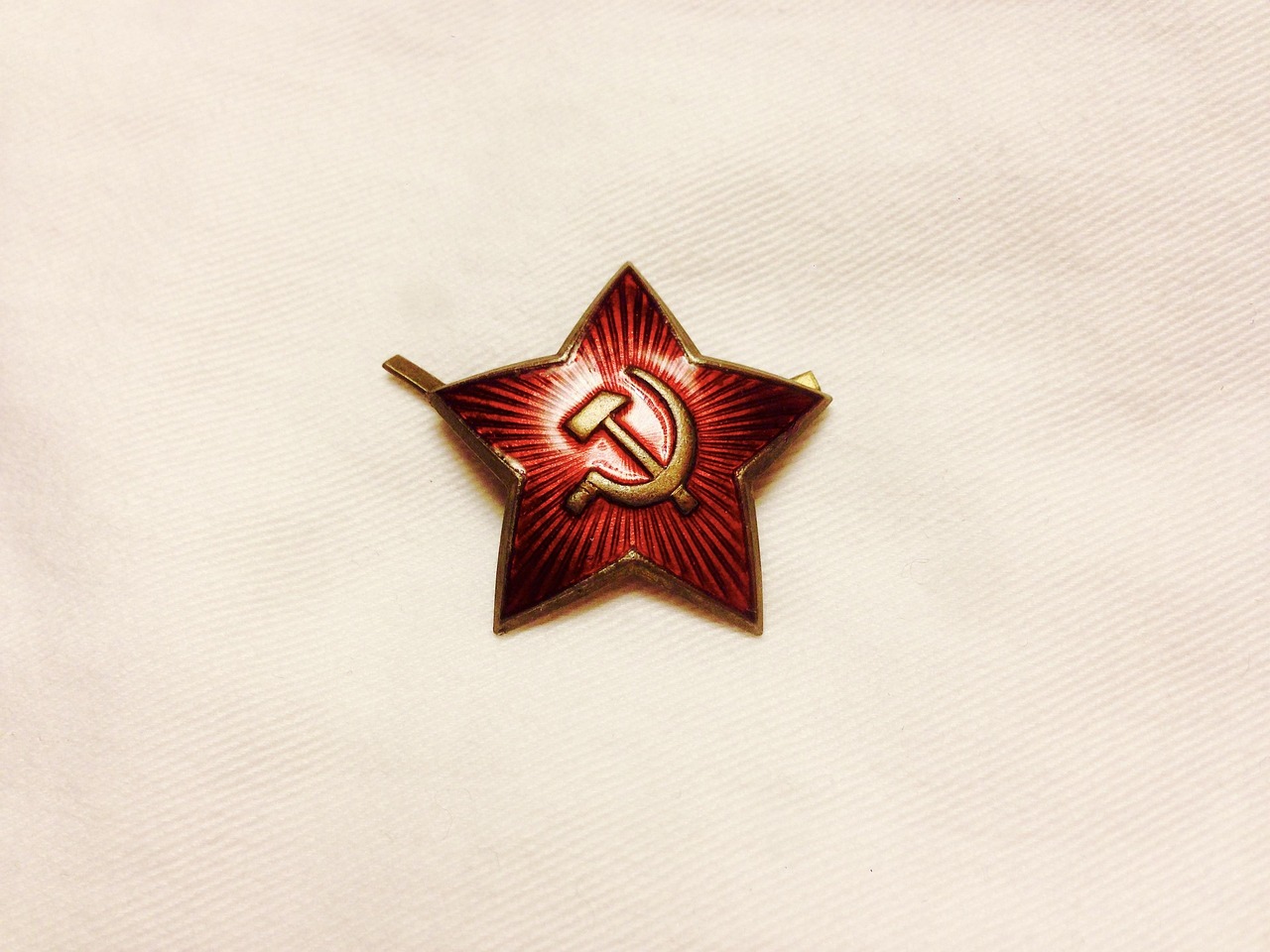
Hockey’s Canadian mythology has been shaped by stories that moved beyond the rink. The 1972 Summit Series between Canada and the Soviet Union became one of the clearest examples. It was not only remembered as a hockey series. It became a confrontation between systems, styles, and national assumptions. Canada entered with a powerful belief in its own hockey superiority, then had to confront how advanced Soviet hockey had become. The result was not just a sporting drama, but a national reckoning.
That kind of story helped make hockey feel like a public inheritance. Canada’s hockey memory is full of moments that operate almost like civic landmarks: famous goals, tournament victories, heartbreaking losses, dynasties, hometown heroes, Saturday broadcasts, and family routines. The sport became a shared reference point across generations. Even people who did not follow every season could understand that hockey had national meaning.
Media strengthened that role. Radio and television helped connect local hockey culture to a national audience. Hockey Night in Canada became more than a broadcast; it became part of the weekly rhythm of Canadian life. Professional teams gave cities a stage, while international competition gave the country a shared emotional script. The sport became both intimate and national: played in local arenas, watched in living rooms, and remembered through major public moments.
But mythology always simplifies. Canadian hockey history includes exclusion as well as belonging. Women’s hockey fought for recognition. Indigenous players and communities have shaped the sport while also facing discrimination and unequal access. Black players and other minority communities have contributed to hockey history while challenging the idea that the game belongs to only one narrow image of Canadian identity. The fuller story is not that hockey represents every Canadian equally. It is that hockey became so central to Canadian identity that debates over access, recognition, and representation became part of the game’s meaning.
That is why hockey still matters as culture. It is not frozen in nostalgia. It keeps changing as Canada changes. The rink remains a place of memory, but also a place where the country’s older myths are tested against modern realities.
Hockey as Canada’s pastime is powerful because it contains both affection and pressure. It is a winter game, a community ritual, a national symbol, and a contested inheritance. Its importance does not come from pretending every Canadian experiences it the same way. It comes from how deeply the sport has shaped Canada’s image of itself, and how often Canada returns to hockey when it wants to explain who it is.