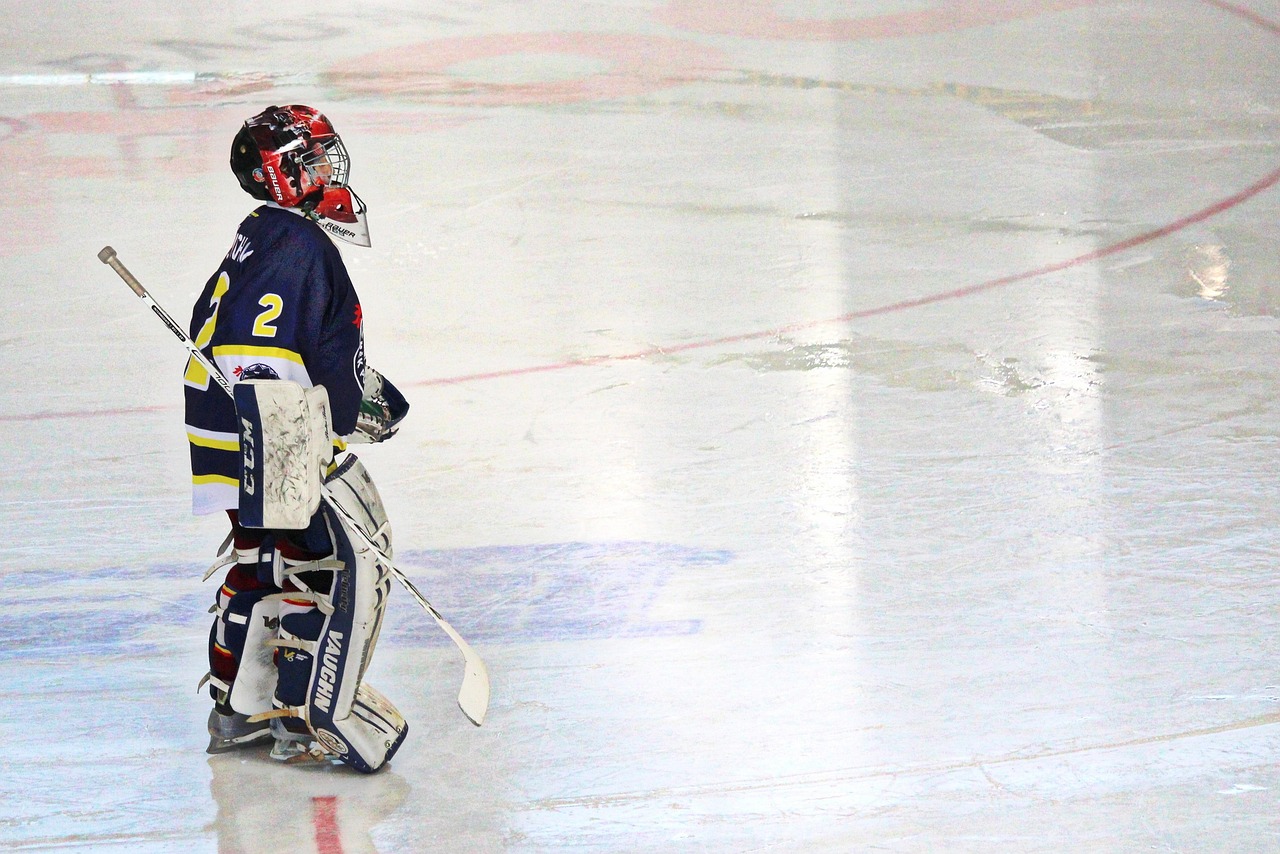
The goalie mask revolution began as a practical act of survival. On November 1, 1959, Montreal Canadiens goaltender Jacques Plante was hit in the face by a shot from New York Rangers star Andy Bathgate. Plante left the game for stitches and returned wearing a mask he had already used in practice. That moment did more than protect one injured goalie. It exposed a contradiction at the center of hockey: the player facing the hardest shots had the least facial protection. Plante’s decision helped move goaltending from a position built around endurance and exposure into one shaped by equipment, technique, specialization, and safety.
The Goalie Mask Revolution Started With a Position Built on Risk
Before masks became standard, goaltenders played a uniquely vulnerable role. They stood closest to the net, faced rising shots, screened deflections, stick traffic, skates near the crease, and slap shots with little more than pads, gloves, and reflexes. The position demanded courage, but it also reflected hockey’s older assumptions about toughness. A goalie was expected to absorb danger as part of the job.
Plante did not invent the idea of facial protection in hockey. Earlier goalies had experimented with masks, including Clint Benedict of the Montreal Maroons, who wore a crude face covering in 1930 after a broken nose. What made Plante different was regular use. His mask was not a one-game medical patch. It became a piece of working equipment. That distinction is why his 1959 decision became the turning point.
The timing mattered, too. Plante was not a fringe player trying something unusual from the margins of the sport. He was one of the best goaltenders in the world, playing for the Montreal Canadiens during one of the NHL’s great dynastic periods. When a player of that stature insisted on wearing a mask, the idea could not be dismissed as easily. It had to be confronted on NHL ice.
Jacques Plante Turned Protection Into Performance
The central story is not simply that Plante put on a mask. It is that he refused to separate safety from performance. After being hit by Bathgate’s shot at Madison Square Garden, Plante returned to the game wearing his fiberglass mask. Canadiens coach Toe Blake had resisted the idea, partly because of concerns that a mask could limit vision. But Plante would not go back into net without it, and Montreal had no backup goaltender available in the modern sense. The Canadiens won the game, 3–1.
That result mattered because it challenged the most obvious objection. If the mask made goaltending worse, Plante’s experiment could have ended quickly. Instead, Montreal kept winning. Plante continued wearing the mask, and the Canadiens extended an unbeaten streak after the change. The equipment did not make him less effective. It allowed him to keep playing at an elite level while reducing a major source of injury risk.
The mask also fit Plante’s broader identity as a goaltending innovator. He was known for playing the puck, communicating with teammates, studying angles, and treating the position as something more tactical than simply blocking shots. The mask belonged to that same way of thinking. It was not only a shield. It was part of a larger modernization of the position.
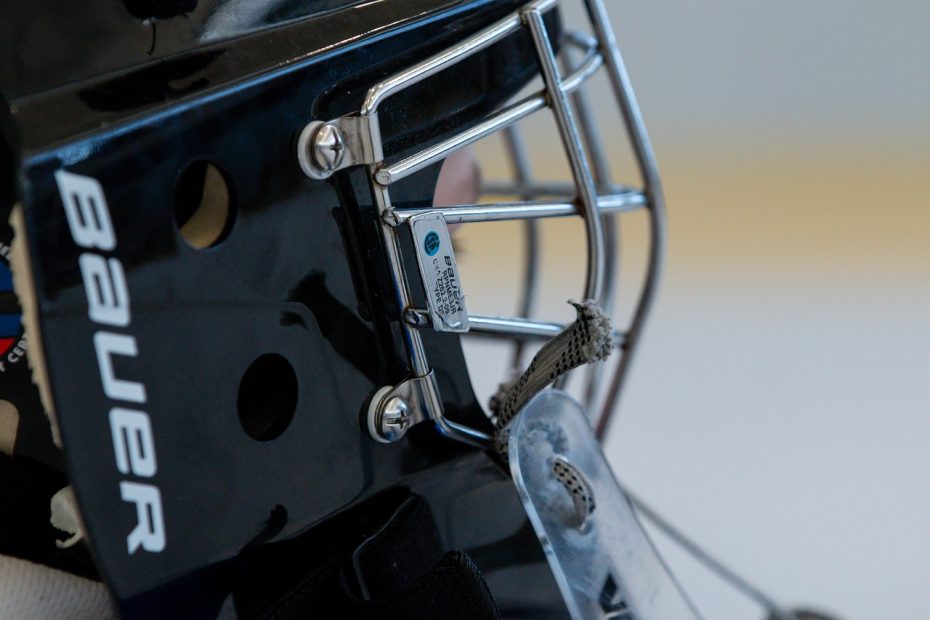
Once goalies could protect their faces more reliably, the position could evolve. Later masks became stronger, better fitted, and eventually merged with helmet-cage designs. Goaltenders could play lower, challenge shooters differently, and develop techniques that would have been harder to sustain with an exposed face. The mask did not create modern goaltending by itself, but it helped make modern goaltending possible.
Why the Goalie Mask Revolution Still Shapes Hockey
The goalie mask changed hockey because it changed what the sport considered normal. A piece of equipment that once seemed optional, strange, or even questionable became inseparable from the position. Today, a mask is not a symbol of hesitation. It is basic goaltending equipment, as central to the role as leg pads or a catching glove.
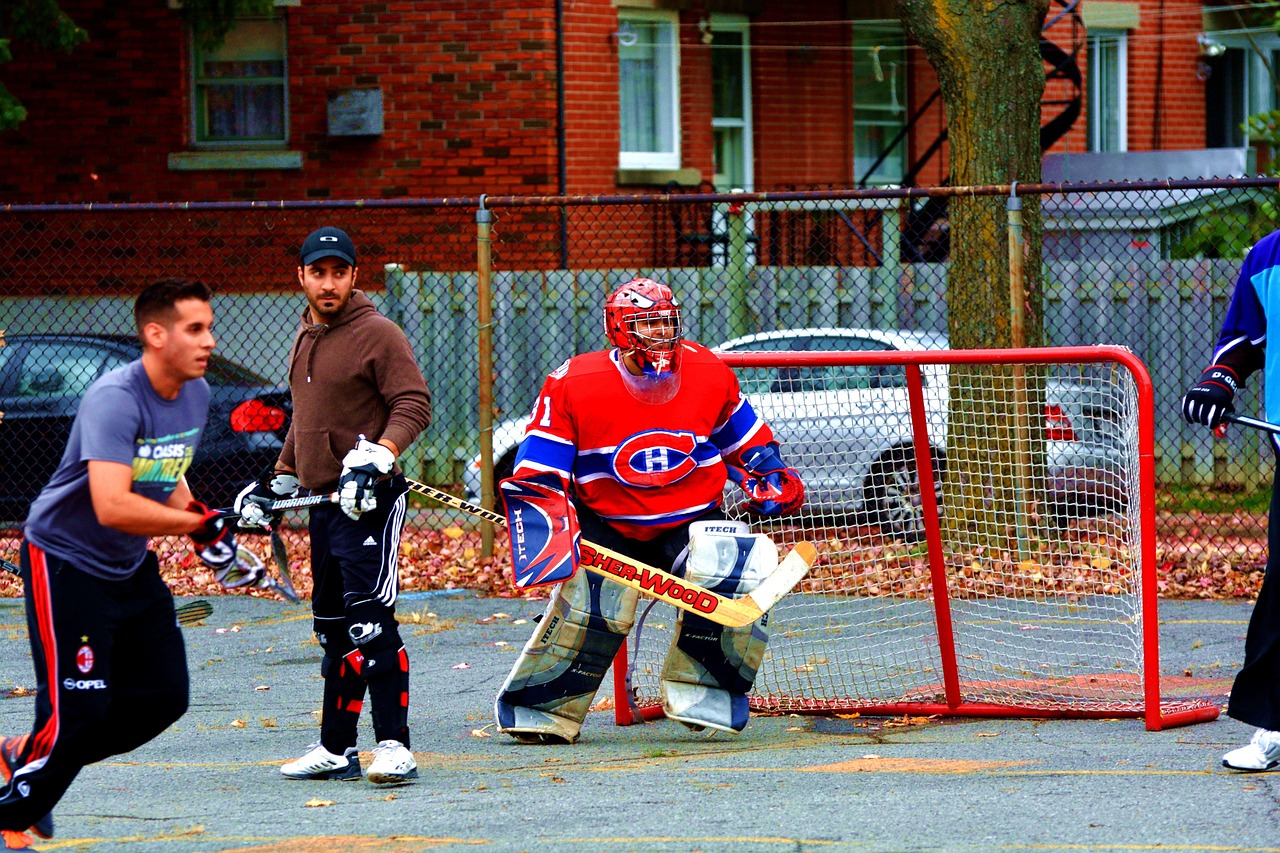
It also changed the visual identity of hockey. Goalie masks became one of the sport’s most recognizable canvases. They turned a safety device into a form of personality, memory, and storytelling. A goalie’s mask can honor a city, a former player, a family member, a team tradition, or a personal symbol. Few pieces of sports equipment are both so functional and so expressive.
The deeper legacy is that Plante’s decision helped reframe innovation in hockey. The sport often celebrates toughness, but the goalie mask showed that toughness and protection do not have to be opposites. Better equipment could preserve the courage of the position while reducing unnecessary harm. That idea now runs through every discussion of player safety, from helmets to visors to neck guards to concussion protocols.
Jacques Plante’s mask became famous because it arrived in a dramatic moment, but its importance lasted because it solved a real problem. The goalie mask revolution did not make hockey less demanding. It made the sport more modern, and it allowed goaltenders to redefine the position without accepting every old risk as permanent.