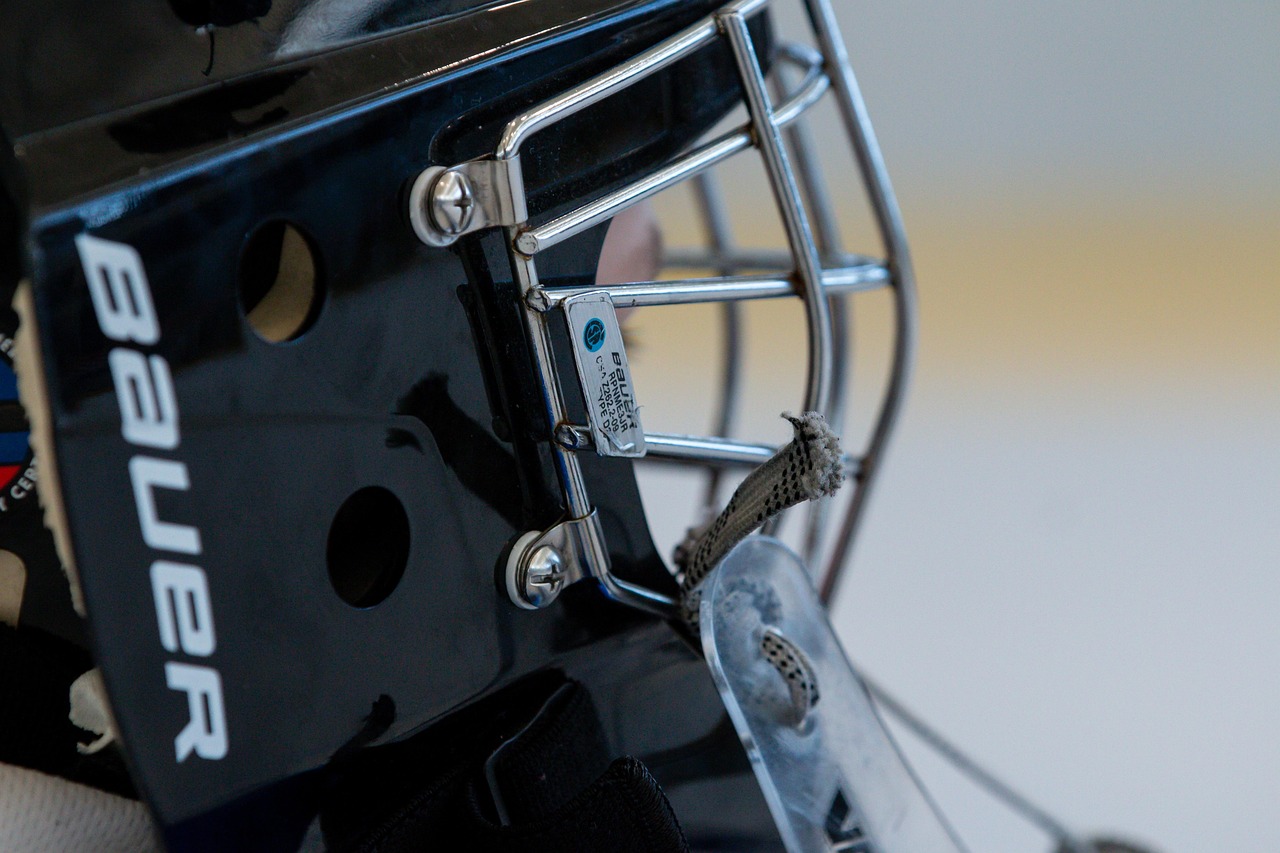
The Finnish Goalie Factory is not just a nickname for a lucky run of elite players. It is a development story built around coaching, repetition, technical detail, and a national hockey culture that learned to treat goaltending as its own discipline. Finland has produced NHL names such as Miikka Kiprusoff, Pekka Rinne, Tuukka Rask, Kari Lehtonen, Niklas Bäckström, Antti Niemi, and Juuse Saros, but the larger story is not only about individual talent. It is about a country that built a goaltending ecosystem: specialized coaches, club-level attention, federation support, and a belief that the position required early, serious, and continuous training.
The Finnish Goalie Factory Began Before the NHL Noticed
Finland’s reputation as a goaltending country did not begin when NHL fans started seeing Finnish names in starting lineups. Inside Finnish hockey, the position already had a deeper history. Urpo Ylönen became one of the central figures in that story. He was named best goaltender at the 1970 World Championship and later became a major goaltending coach in Turku, where future Finnish goalies developed inside a more specialized teaching environment.
That matters because goaltending is not developed in quite the same way as skating, shooting, or checking. It requires separate habits: reading releases, managing depth, controlling rebounds, tracking the puck through traffic, recovering from bad goals, and staying technically stable under pressure. Finland’s advantage came from treating those skills as teachable from the beginning, not as mysterious qualities that would appear later if a young player happened to be athletic enough.
The Finnish system also created visible role models. Earlier goalies such as Ylönen, Jorma Valtonen, Hannu Kamppuri, Kari Takko, and Jarmo Myllys helped make the position meaningful inside Finnish hockey before the larger NHL wave arrived. By the time Kiprusoff, Rinne, Rask, Lehtonen, Bäckström, and Niemi became familiar NHL names, they were not isolated accidents. They were the most visible products of a culture that had already been taking the position seriously for decades.
The Coaching System That Turned Technique Into a Pipeline
The central reason the Finnish Goalie Factory became more than a phrase is that Finland built structure around the position. ESPN reported in 2016 that Finland’s federation had dedicated goaltending coaches across its nine districts, with those coaches visiting clubs and spreading knowledge through the system. The same reporting noted that Ässät, a mid-sized Finnish club, had 18 goalie coaches across its organization.
That is the key detail. Finland did not simply wait for great goalies to emerge. It built a coaching network that made goalie-specific instruction normal. A young goaltender could be corrected earlier, supported more often, and trained by people who understood the position rather than by general coaches trying to fit goalie development around team drills.
The teaching emphasis also mattered. Finnish goalie development has often been associated with active hands, puck control, patience, and reading the game rather than simply dropping into one mechanical style. Rinne himself described active hands as one feature that still separated Finnish goalies, even as modern goaltending styles became more similar across countries.
The Atlantic also highlighted a different practice rhythm in Finland: goalies were allowed to feel the puck with controlled shots before facing harder, more chaotic work. That approach reflected a broader philosophy. The goalie was not just a target in practice. He was a player being trained, mentally and technically, from the first minutes on the ice.
This is why the Finnish pipeline became exportable. NHL teams were not only getting talented athletes. They were getting goalies who had already spent years inside a position-specific environment. They arrived with habits: tracking, patience, rebound control, glove use, recovery movement, and the ability to read plays rather than simply react to them.
Why Finland’s Goalie Legacy Still Shapes Modern Hockey
The Finnish Goalie Factory changed how people think about hockey development because it showed that a small country could build a positional advantage through coaching depth. Finland did not need Canada’s population, Russia’s player pool, or the United States’ massive sports infrastructure to become a goaltending power. It needed a system that identified the position as a national strength and kept feeding it.
The NHL breakthrough made that system visible. Before 2002, no Finnish goaltender had truly secured a starting NHL role; after that, Finnish goalies became a recurring part of the league’s elite and near-elite landscape. Pasi Nurminen, Kiprusoff, Lehtonen, Bäckström, Rinne, Rask, Niemi, and later Saros helped turn Finland from a country with good goalies into one of the sport’s recognized goalie producers.
The legacy is also technical. Modern goalie development everywhere now sounds more like the Finnish model than older practice cultures did. The position is specialized earlier. Goalie coaches are central staff members. Practice design is more intentional. Young goalies are trained in movement patterns, puck tracking, screen management, and mental recovery with a level of detail that once seemed unusual.
Finland’s story does not mean every Finnish goalie succeeds or that the country has a permanent monopoly on the position. It means Finland proved that goaltending could be developed as a system. The “factory” was never just about producing stars. It was about building the conditions that made elite goaltending repeatable.
The Finnish Goalie Factory remains one of hockey’s clearest examples of a small country turning specialization into global influence. Its best goalies became NHL stars, but the deeper achievement was structural. Finland showed that the most isolated position in hockey could become a national development project.