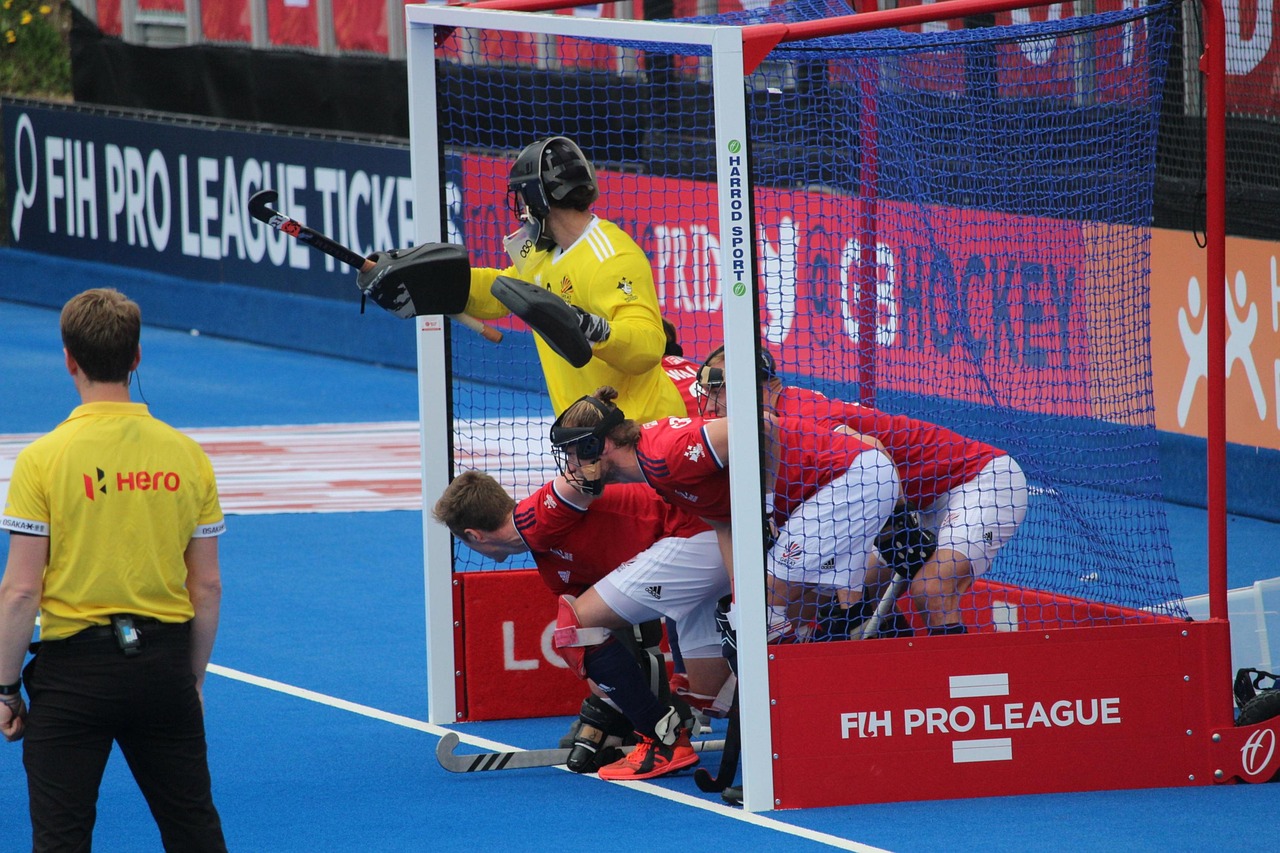
The FIH Pro League is one of the clearest windows into how modern field hockey works. Instead of relying only on the Olympics, World Cup, continental tournaments, and occasional test series, international hockey now has a recurring global league built around elite national teams, travel windows, broadcast visibility, and federation strategy. The competition gives top men’s and women’s teams regular high-level matches while also creating a clearer commercial product for fans, sponsors, and broadcasters. Its importance is not only about who wins the trophy. The Pro League shows how field hockey is trying to solve one of its biggest modern challenges: turning a global sport with passionate pockets of support into a more consistent international calendar.
Why Field Hockey Needed a Year-Round Global Stage
For much of field hockey history, the sport’s biggest international attention came in concentrated bursts. The Olympics mattered. The Hockey World Cup mattered. Continental championships mattered. But between those events, the calendar could feel fragmented, especially for casual fans trying to follow the best national teams.
The FIH Pro League was designed to change that rhythm. It gives elite international hockey a season-long structure, with men’s and women’s competitions running under the same general model. The FIH describes it as an annual global league involving the best national teams in the world, with the top team at the end of the season crowned champion. For the 2025–26 season, the league includes nine men’s teams and nine women’s teams, with 144 total matches across the season.
That matters because field hockey does not have the same global club-league visibility that sports like soccer, basketball, or cricket can rely on. Many of the sport’s most important teams are national teams, not professional club brands with weekly global audiences. The Pro League gives those national programs a recurring platform. It creates more frequent meetings between countries such as the Netherlands, Germany, Belgium, India, Australia, Argentina, England, Spain, and others, rather than saving those matchups for major tournaments.
The league also reflects a broader shift in international sport. Governing bodies increasingly need competitions that are easy to package, easy to follow, and meaningful beyond one short event. The Pro League attempts to give field hockey that structure: a recurring elite competition with standings, fixtures, home crowds, travel stages, broadcast inventory, and qualification consequences.
The FIH Pro League and the Logistics of Modern Hockey
The most interesting part of the FIH Pro League is not simply that elite teams play each other. It is how the league organizes those matches.
The current model uses staged windows where several teams gather in one venue and play multiple matches. That format is a practical answer to one of field hockey’s central problems: travel. A true home-and-away global league sounds attractive, but it is expensive and physically demanding when teams are moving between Europe, Asia, Oceania, South America, and other regions. Staging several teams in one place allows the league to keep the international feel while reducing some of the strain that would come from constant one-off travel.
This structure also changes federation planning. National programs have to think beyond one tournament peak. Coaches need to manage player availability, workload, tactical development, and squad depth across a longer calendar. A Pro League window can be a results test, a selection test, and a rehearsal for a bigger tournament at the same time.
That is especially important because the league now connects directly to high-stakes qualification. For the 2025–26 season, the winning men’s and women’s teams qualify for the Los Angeles 2028 Olympic Games. The last-place teams are also subject to relegation, with replacement coming through the FIH Hockey Nations Cup pathway. That gives the competition pressure at both ends of the table: championship ambition at the top and survival pressure at the bottom.
The Pro League’s points system also rewards every match. The official standings track wins, draws, shootout bonus points, losses, goals for, goals against, goal difference, and total points. Even unusual cases, such as cancelled matches, are handled through competition rules that preserve the integrity of the standings.
For fans, that structure makes the sport easier to follow. The league creates a table, a schedule, recurring opponents, and a reason to care about matches outside the Olympics or World Cup. For federations, it creates a planning spine. For players, it creates more consistent elite competition. For broadcasters and streaming platforms, it creates a more regular product.
What the Pro League Reveals About Field Hockey’s Future
The FIH Pro League is not just a tournament. It is a statement about what field hockey wants to become.
The sport has strong national traditions, especially in countries such as the Netherlands, India, Australia, Germany, Argentina, Belgium, England, Spain, Pakistan, and China. But tradition alone does not automatically create modern visibility. Field hockey has to compete for attention in a crowded sports market. The Pro League gives the sport more regular elite content, more international storylines, and more opportunities for fans to see top teams outside major tournament cycles.
The broadcast and digital side is central to that strategy. FIH has emphasized the importance of making matches available through broadcasters and Watch.Hockey, its streaming platform, with live matches, on-demand coverage, highlights, statistics, match reviews, and interviews. That matters because discoverability is one of the sport’s biggest challenges. A fan who wants to follow field hockey needs to know where the games are, when they are happening, and why they matter.
The promotion and relegation structure also gives the league a wider purpose. Since the Nations Cup pathway was introduced, the Pro League has not been treated as a permanently closed circle. The winner of the FIH Hockey Nations Cup is invited into the next Pro League season, while the lowest Pro League team can be relegated. FIH also added Nations Cup 2 in 2025 to create another layer in the pathway for countries outside the top tier.
That makes the Pro League part of a larger field hockey ecosystem. At the top, it creates regular matches among elite teams. Beneath that, it gives ambitious nations a route toward the highest annual competition. Around it, the World Cup and Olympics remain the sport’s biggest prizes. The Pro League does not replace those events. It gives the years between them more structure.
The FIH Pro League matters because it turns field hockey’s global ambition into a calendar. It gives elite national teams more meaningful matches, gives fans a clearer way to follow the sport, and gives federations a strategic framework for growth. In a sport where international competition still carries enormous weight, the Pro League is one of the main ways field hockey is trying to make its best teams visible more often.