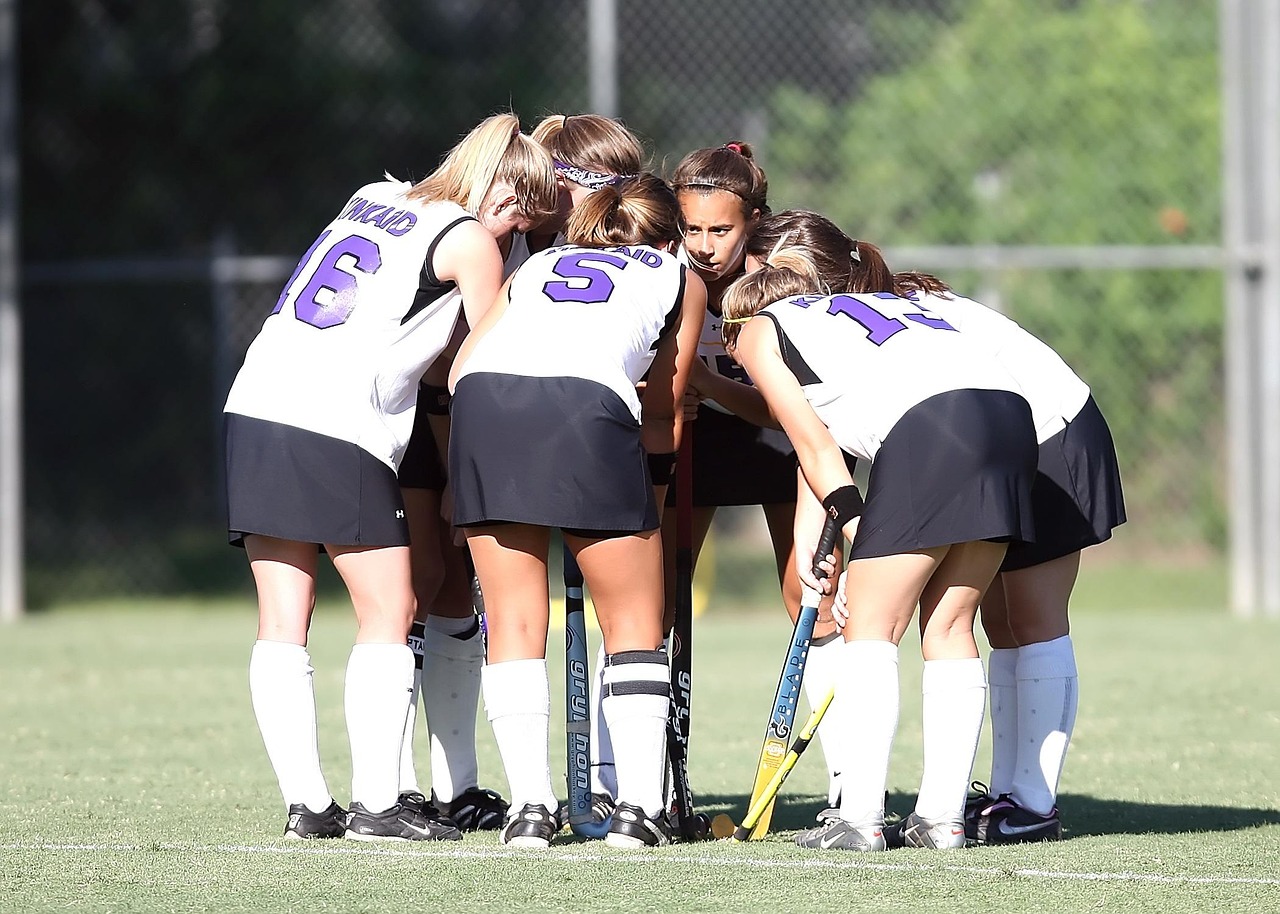
The self-pass rule changed field hockey because it turned the free hit from a pause into an attacking opportunity. Before the rule, restarts often required a second player, a reset of shape, and a visible break in tempo. After the International Hockey Federation introduced the self-pass from a free hit in 2009, the player taking the restart could put the ball back into play by passing to themselves, allowing the game to move again almost immediately. The result was not just a small rule adjustment. It changed defensive concentration, midfield transitions, umpiring rhythm, and the way teams thought about space after every whistle.
Why Free Hits Used to Slow the Game Down
Field hockey has always depended on quick changes of possession, tight spacing, and short windows of advantage. But free hits once created a natural interruption. A foul stopped play, the ball had to be placed, teammates had to present passing options, defenders had time to retreat, and the attacking team often lost the first burst of momentum that came from winning the call.
That structure gave defenses a valuable gift: time. Even a few seconds could let a team recover its shape, mark dangerous passing lanes, protect the middle of the pitch, or reset near the 23-metre area. A free hit still gave possession to the offended team, but it often did not preserve the speed of the attack that had just been interrupted.
The self-pass rule attacked that problem directly. It made the restart more continuous. Instead of waiting for a teammate to receive the first pass, the player over the ball could begin the next phase themselves. The whistle still mattered, but the pause after the whistle became much shorter.
That changed the emotional feel of the game. A foul was no longer always a chance for both teams to breathe. It could become the beginning of the next attack.
The Self-Pass Rule and the New Speed of Restarts
The tactical importance of the self-pass rule is simple: it made the first defender’s reaction more urgent. Once the ball could be restarted by the same player, defensive teams had to respond immediately. They could not assume the attacking side would wait for a passing lane to appear.
That changed the value of awareness. Defenders near the ball had to understand the five-metre distance requirement, retreat without interfering, and still prepare for the attacker to carry the ball forward. Midfielders had to scan faster. Back lines had to communicate earlier. A slow defensive reaction could turn a routine foul into a broken-field attack.
For attackers, the rule created a new kind of decision. The player taking the free hit could restart quickly, carry into space, force defenders to retreat, draw pressure, or delay just long enough for teammates to rotate. The free hit became less predictable because it no longer had to begin with an obvious pass.
The measurable effect matched the tactical idea. A study of international women’s field hockey found that the average time taken to engage free hits dropped from 8.0 seconds in 2008 to 4.6 seconds in 2009, reducing disruption to the flow of play.
That difference matters in a sport built on speed and spacing. Three or four seconds is enough time for a defense to reorganize. Taking those seconds away made restarts more dangerous and made concentration after a foul more important.
Why the Rule Still Shapes Modern Field Hockey
The self-pass rule helped make modern field hockey more continuous. It rewarded players who think quickly, scan before receiving the whistle, and understand when to restart immediately instead of waiting for structure. It also made defensive discipline more valuable because a foul no longer guaranteed a full reset.
The rule did not remove structure from the game. Free hits still operate within limits, especially near the attacking circle, where distance and entry rules matter. Under current FIH rules, opponents must generally be five metres from the ball, and attacking free hits near the circle cannot simply be driven straight into the circle without satisfying the required conditions.
That balance is part of why the rule became so important. It increased flow without turning every foul into an uncontrolled advantage. Teams still had to understand space, timing, and rule management. Umpires still had to judge interference, distance, and restart location. Coaches still had to train players to recognize when a quick self-pass was useful and when patience created a better attack.
The deeper legacy is tactical. The self-pass rule made field hockey less stop-start and more reactive. It pushed the game toward faster restarts, sharper defensive recovery, and more intelligent use of transition moments. A free hit became more than a restart. It became a test of who was awake first.
The self-pass rule changed field hockey because it changed the seconds after the whistle. It made restarts faster, made defenders more accountable, and gave attackers a new way to preserve momentum. In a sport where space disappears quickly, that small restart freedom became a major tactical shift.