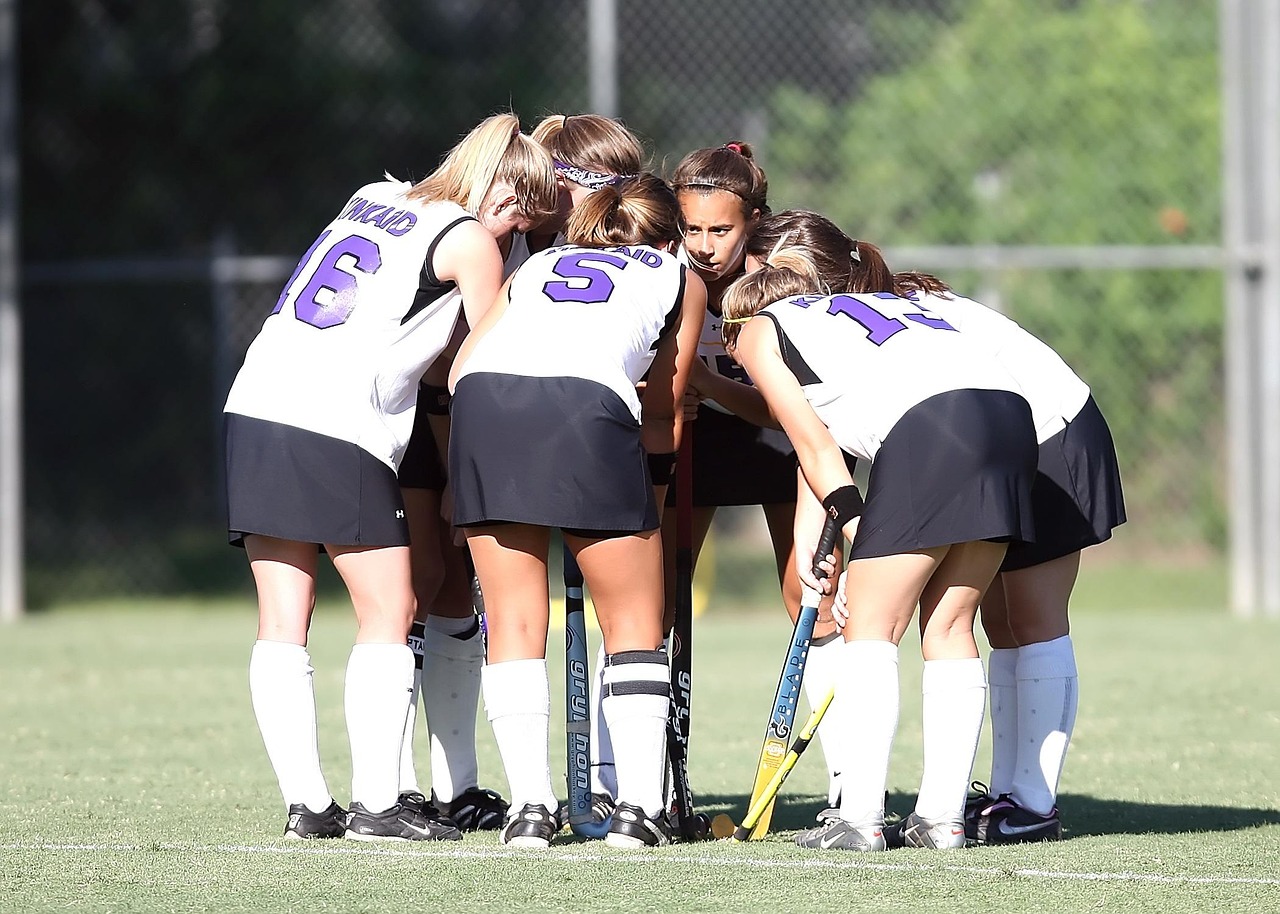
The penalty corner arms race has made field hockey one of the most specialized set-piece sports in the world. What begins as a restart near the back line quickly becomes a contest between timing, power, courage, disguise, and technology. The attacking team needs an injector, a stopper, a drag flicker, and often a rehearsed pattern designed to create one clean shooting lane. The defending team answers with runners, masks, goalkeeper equipment, video review awareness, and scouting reports built around tiny details. The penalty corner matters because it is not just a way to score. It is a compressed version of modern field hockey: faster, more technical, more planned, and more dangerous than it first appears. Under FIH rules, penalty corners are awarded for certain defensive offences in the circle or deliberate defensive offences in the 23-metre area.
Why the Penalty Corner Became a Specialist Phase
A penalty corner is not normal open play. It has its own structure, its own spacing, and its own pressure. The ball is inserted from the back line, attackers wait outside the circle, and a limited group of defenders starts behind the goal line. At elite level, that structure has created a repeatable laboratory. Teams can rehearse movements again and again, then bring them into a match where one clean execution may decide the result.
That is why the penalty corner became a home for specialists. The injector must deliver the ball quickly and accurately. The stopper must control it cleanly under pressure. The drag flicker must turn a moving ball into a shot with speed, height, and disguise. Around them, other attackers create screens, deflections, fake options, and rebounds. A routine that looks simple from the stands may depend on the ball reaching the top of the circle at the right angle, arriving at the right pace, and being stopped within a fraction of a second.
The drag flick became central because it solved a tactical problem. A straight hit can be powerful, but first hits at goal from penalty corners face height restrictions; flicks, scoops, pushes, and deflections are treated differently so long as they are not dangerous. That distinction helped make the drag flick one of the most valuable skills in field hockey. It allows a player to generate high speed while lifting the ball, aiming around the goalkeeper, and forcing defenders to make decisions in a very small amount of time.
Over time, the drag flicker became almost like a free-kick specialist in soccer or a placekicker in American football. Some players are selected, developed, and protected because they give a team a scoring threat from penalty corners. The best ones do not just shoot hard. They read the first runner, disguise direction, change release points, and punish a goalkeeper who moves too early.
The Drag Flicker, the Runner, and the Battle for the First Lane
The central duel in the penalty corner arms race is often between the drag flicker and the first runner. The drag flicker wants a clean lane. The first runner wants to close that lane before the shot becomes uncontestable. Everything else grows from that contest.
For the attack, the routine begins before the ball is even inserted. Teams study how fast the first runner leaves the line, whether that runner angles toward the flicker’s stick side, whether the goalkeeper stays deep, and whether the post defenders hold their positions. The attacking team may respond with a straight flick, a slip pass, a dummy stop, a second castle, a deflection route, or a rebound pattern. A good penalty corner unit does not have one trick. It has a menu.
For the defence, the first runner carries one of the hardest jobs in the sport. They sprint directly toward a player preparing to release a high-speed shot. They must close space without breaking early, block the lane without using the body illegally, and trust their protective equipment. Other defenders cover posts, watch deflections, or prepare to clear rebounds. The goalkeeper has to read the flick, react to screens, and still be ready for a pass that turns the corner into open play.
This is where masks and protective equipment became part of the story. Defenders at penalty corners may wear additional protective gear, including face protection, because the danger is obvious: a drag flick can be elevated, fast, and directed into a crowded circle. FIH rules also address what happens when discarded protective equipment affects play after a penalty corner. In 2025, FIH competition regulations made face masks mandatory for players defending penalty corners in FIH competitions, reflecting the safety concerns around modern drag flicks.
Video review has added another layer. Penalty corners often produce disputed questions: Did the ball leave the circle before the shot? Was the first shot legal? Did the ball hit a foot? Was the shot dangerous? Did a defender break early? Did the goalkeeper’s save create another corner? Because penalty corners can decide international matches, every detail becomes reviewable in the broader tactical sense, even when not every moment is formally challenged. Players now perform under the knowledge that technique, timing, and body position may be judged frame by frame.
That has made the set piece more precise. The modern penalty corner is not just a shot. It is a sequence of legal thresholds, technical roles, and tactical reactions. The injector, stopper, flicker, runner, goalkeeper, and umpire are all part of the same compressed event.
Why the Penalty Corner Arms Race Still Shapes Field Hockey
The penalty corner arms race changed how teams build attacks. A team with a world-class drag flicker can turn circle pressure into goals without needing long periods of open-play dominance. That changes defensive behavior. Defenders become more cautious with feet and tackles inside the circle. Midfielders value entries that force mistakes. Attackers learn that winning a corner can be almost as valuable as taking a shot.
It also changed player development. Young players can now grow into specific penalty corner roles. A powerful drag flicker may become a major asset even if they are not the most complete open-play attacker. A reliable injector can have value because a poor injection can destroy the routine before it begins. A composed stopper can turn pressure into rhythm. A brave first runner can save goals without appearing on the scoresheet.
The set piece has also created an ongoing debate about balance. Penalty corners are exciting because they create a clear, high-pressure scoring chance. They are also controversial because they can pull the sport toward specialization. If too many goals come from corners, teams may prioritize winning fouls in the circle over building open-play chances. If the drag flick becomes too dominant, defensive safety becomes a larger concern. If video review becomes too central, the rhythm of the game can feel more technical and less fluid.
That tension is part of why the penalty corner remains so important. It sits at the meeting point of skill, rules, safety, tactics, and spectacle. It rewards preparation, but it still leaves room for nerve. A routine can be rehearsed hundreds of times and still fail because the injection is slightly slow, the stopper misreads the ball, the first runner gets there early, or the goalkeeper guesses correctly.
The penalty corner is field hockey’s set-piece laboratory because it keeps evolving. Every attacking innovation creates a defensive answer. Every defensive answer creates a new variation. The drag flicker, the runner, the mask, the injector, the stopper, and the video review all belong to the same arms race: a contest to control one of the sport’s most decisive moments.