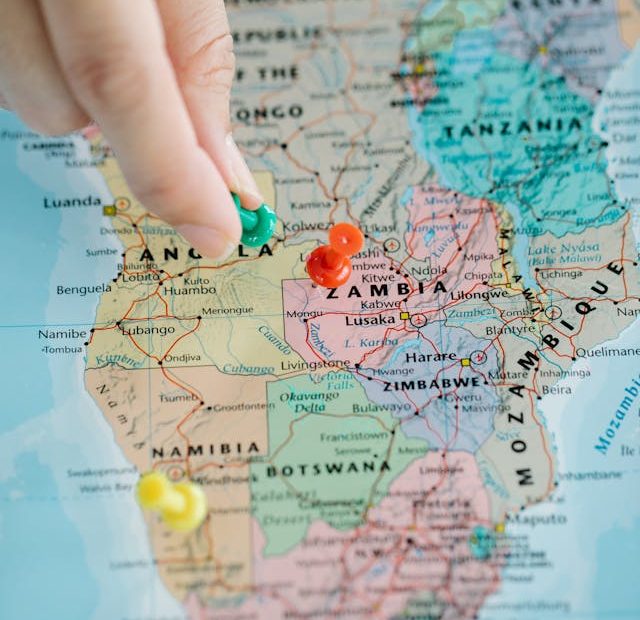
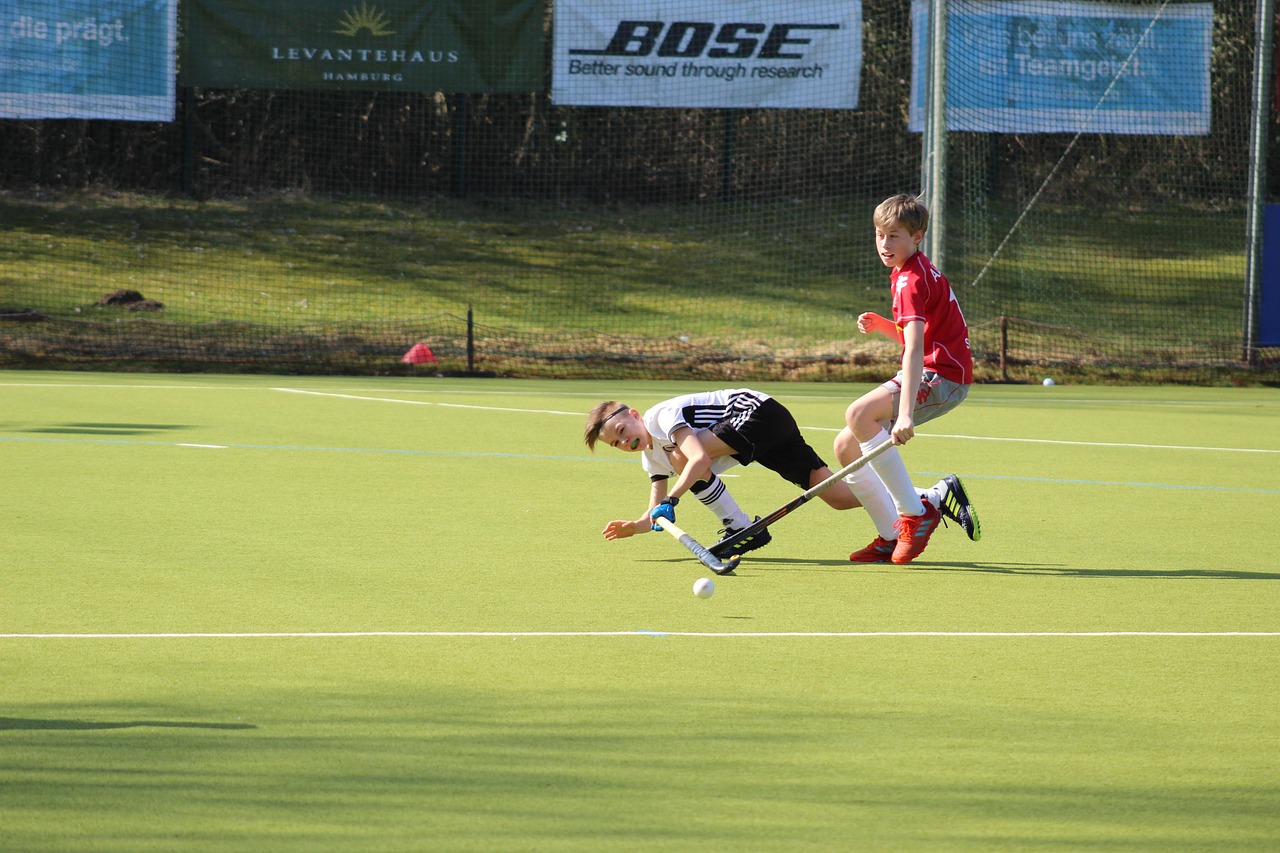
Field hockey in Zambia is a smaller sport, but it fits into a broader Southern African field hockey landscape. Zambia is not usually discussed with the major global field hockey powers, yet the sport has room to exist through schools, clubs, national structures, and regional competition. Its story is not mainly about large crowds or professional leagues. It is about participation, organization, facilities, coaching, and the effort to give players a consistent pathway from local hockey into higher levels of competition.
A Southern African Field Hockey Setting
Zambia’s field hockey identity is shaped partly by geography. The country sits in south-central Africa, near several countries with field hockey traditions, including Zimbabwe and South Africa. That regional context matters because smaller field hockey countries often grow through cross-border competition, school links, club tournaments, and continental events rather than through major domestic leagues alone.
The sport’s historical development in Zambia is connected to school and club structures more than mass media attention. Like many Commonwealth countries, Zambia has sporting traditions that include cricket, rugby, netball, athletics, football, and hockey in different degrees. Field hockey has not become the dominant sport, but it has had enough institutional presence to remain part of the country’s wider sports picture. In a country where football carries far more national visibility, field hockey has to build its identity through participation and development rather than broad spectator popularity.
Clubs, Schools, and Participation
Field hockey in Zambia is most likely to grow where schools and clubs can work together. Schools are often the entry point for young players because they provide structure, teammates, basic coaching, and regular competition. Clubs then become important for players who want to continue beyond school or compete at a higher level. That school-to-club connection is central in many developing field hockey countries because it prevents the sport from disappearing after students leave the classroom environment.
Women’s and men’s participation both matter, but the health of the sport depends on the number of active teams, trained coaches, and reliable playing spaces. Field hockey requires suitable surfaces, equipment, umpires, and regular fixtures. Those needs can make growth difficult in places where resources are limited or where more popular sports receive most of the attention. Still, a small field hockey community can survive if it has committed organizers, school support, and enough competition to keep players involved.
Development and Regional Opportunity
Zambia’s field hockey future depends on practical development. More youth programs, more coaching, better facilities, and stronger links to regional competition would give the sport a clearer pathway. Regional tournaments are especially important because they allow Zambian players to test themselves against nearby field hockey cultures. For smaller hockey nations, those matches can be more valuable than domestic competition alone because they expose players to different styles, faster play, and higher expectations.
The most important step for field hockey in Zambia is consistency. A small sport can still have a durable future if it has regular training, visible school participation, and a clear route for promising players. Zambia does not need to look like the Netherlands, India, Australia, or Argentina for field hockey to matter. Its version of the sport is more likely to be community-based, school-connected, and regionally focused. If those pieces are strengthened, field hockey can remain a meaningful part of Zambia’s sports landscape.
Interested in Sports in Zambia?
American Football in Zambia | Baseball in Zambia | Basketball in Zambia | Cricket in Zambia | Football (Soccer) in Zambia | Rugby in Zambia