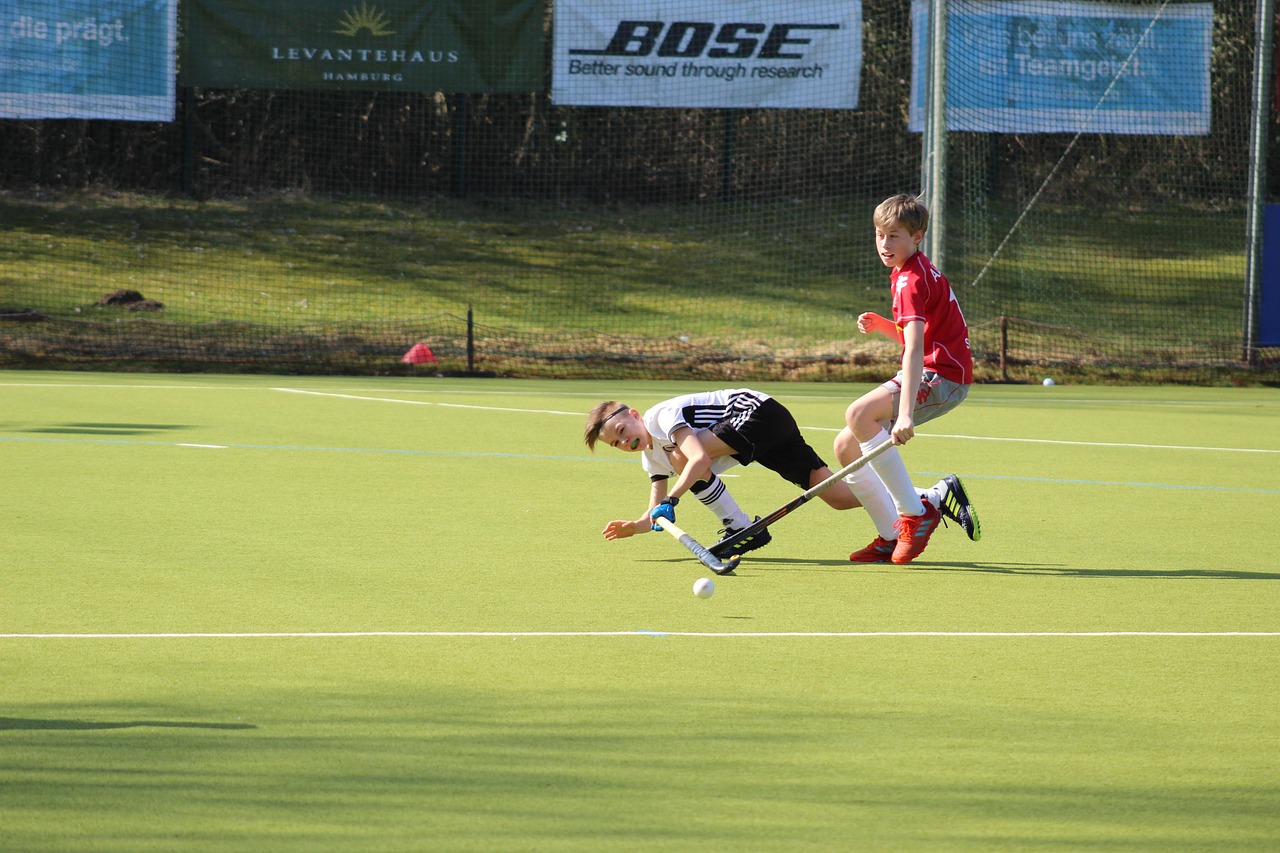
Field hockey in Trinidad and Tobago has a deeper tradition than its size might suggest. The sport is not the country’s biggest athletic identity, but it has long been part of the local sporting landscape through clubs, schools, national teams, and regional competition. Trinidad and Tobago’s field hockey story is especially connected to the Pan American hockey system, the National Hockey Centre in Tacarigua, and the effort to keep both men’s and women’s programs active across generations.
A Caribbean Field Hockey Tradition
Trinidad and Tobago has one of the more recognizable field hockey profiles in the Caribbean. The sport has been sustained by local organizers, school participation, club competition, and national-team activity. Unlike countries where field hockey exists only as a minor imported sport, Trinidad and Tobago has developed a more established community around the game, even if it must compete for attention with cricket, football, track and field, and other major sports.
The National Hockey Centre in Tacarigua is an important part of that identity. It gives the sport a central home and helps connect youth camps, training, domestic activity, and national-team preparation. The Trinidad and Tobago Hockey Board has used the facility for youth hockey camps, including programs for children ages 7 to 12. That kind of youth work matters because field hockey in a smaller country depends heavily on continuity. Players need early exposure, consistent coaching, and enough competition to stay involved.
National Teams and Pan American Competition
Trinidad and Tobago’s international field hockey identity is tied most closely to Pan American competition. The women’s national team has appeared multiple times at the Pan American Games, with its first appearance listed in 1987 and best results of fourth place in 1987 and 1999. That history gives the women’s program a meaningful place in the country’s field hockey record.
The men’s and women’s national teams also represent the country within the wider Americas structure. For a nation of Trinidad and Tobago’s size, that international participation is important because it gives domestic players a target beyond local competition. It also keeps the sport connected to stronger field hockey systems in the region. Recent challenges show how difficult that can be: the Pan American Hockey Federation announced that Trinidad and Tobago withdrew from the 2025 Pan American Cups for logistical reasons. That kind of issue reflects a common reality for smaller hockey nations, where talent, tradition, and commitment must be matched by funding, travel, administration, and preparation.
Clubs, Youth Development, and the Future
The future of field hockey in Trinidad and Tobago depends on keeping the local base strong. Clubs, schools, camps, and federation programs are the foundation. Without a large commercial league, the sport needs steady participation at the grassroots level and regular opportunities for players to move from junior hockey into senior competition.
Trinidad and Tobago’s advantage is that field hockey already has a recognizable place in the country’s sports system. It has facilities, history, national-team experience, and a Caribbean identity within the sport. The challenge is turning that history into sustained development. More youth participation, stronger school links, consistent domestic competition, and support for both men’s and women’s programs can help the country remain one of the Caribbean’s more important field hockey nations.
Interested in Sports in Trinidad and Tobago?
American Football in Trinidad and Tobago | Baseball in Trinidad and Tobago | Basketball in Trinidad and Tobago | Cricket in Trinidad and Tobago | Football (Soccer) in Trinidad and Tobago | Rugby in Trinidad and Tobago