Goalkeepers in field hockey occupy one of the sport’s strangest and most demanding roles. They wear the most equipment, cover the smallest area, and face some of the fastest decisions on the field. Their job is not simply to stop shots. They must read angles, manage rebounds, command defenders, react through screens, and survive moments where the ball can arrive from only a few meters away. The position looks unusual because the demands are unusual: field hockey goalkeepers need the courage of a blocker, the footwork of a fighter, and the spatial awareness of a goalkeeper in a sport where everything happens at ground level and at high speed.
Why Field Hockey Goalkeepers Wear So Much Gear
Field hockey goalkeeping equipment exists because the position compresses danger into a very small space. A goalkeeper can face lifted shots, deflections, penalty corners, rebounds, and close-range attempts in rapid sequence. The ball is hard, the stick is flat on one side, and attacking players often create danger from sharp angles or crowded shooting lanes.
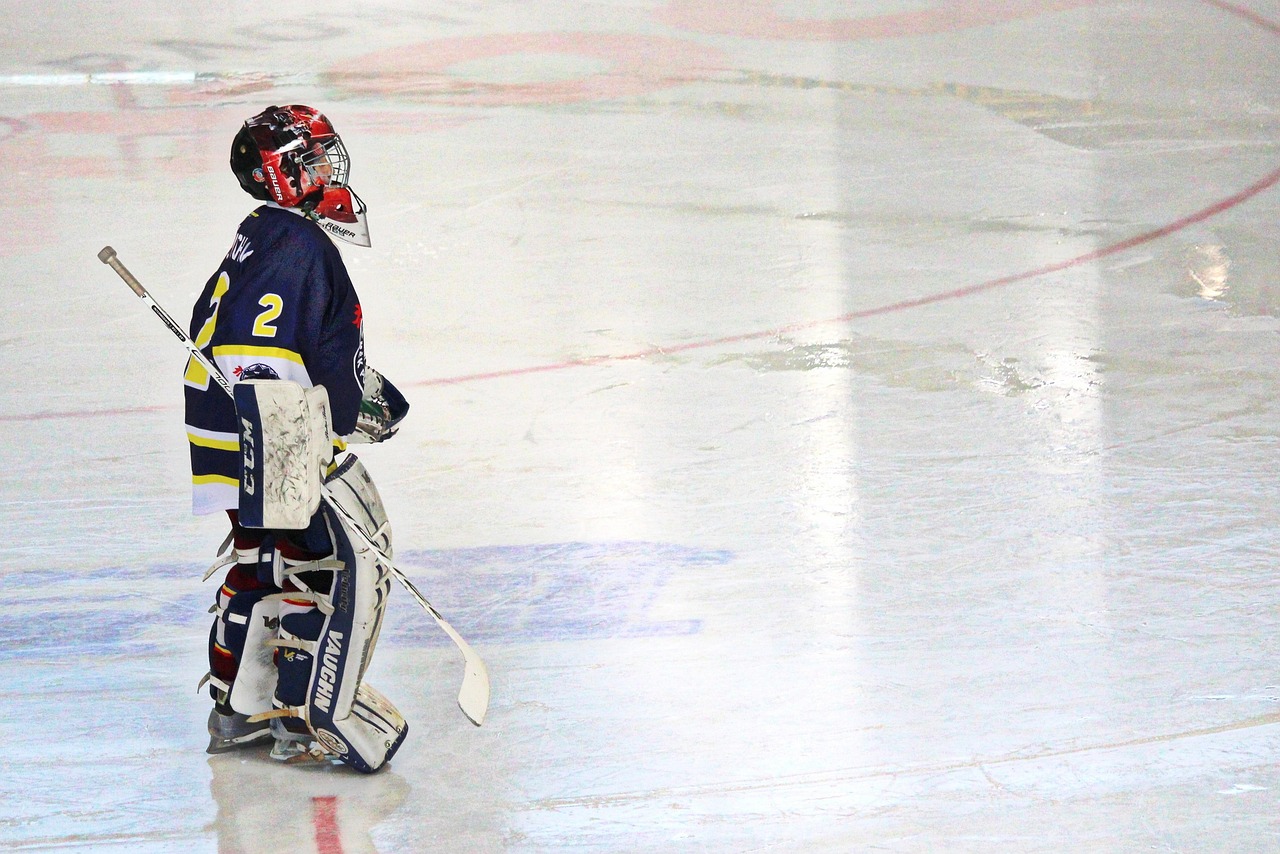
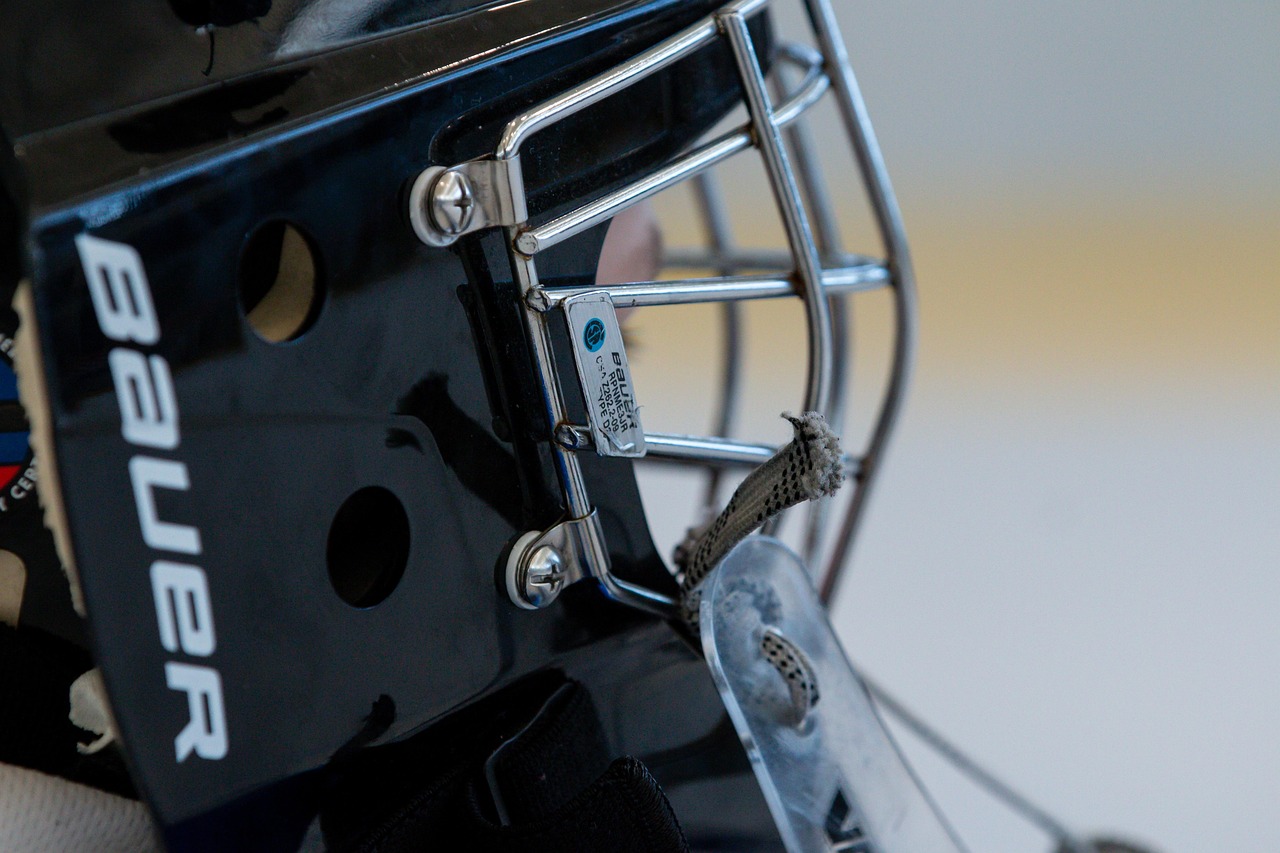
That is why the goalkeeper’s kit looks so different from the rest of the team. The helmet protects against high balls and close deflections. The chest and arm protection absorb shots that arrive before a full reaction is possible. The leg guards and kickers are not just padding; they are tools. A field hockey goalkeeper clears many shots with the feet, using the kickers to redirect the ball away from the goalmouth.
The bulk of the equipment can make the position look static from a distance, but that is misleading. The gear is not there to turn the goalkeeper into a wall. It is there to let the goalkeeper move into danger. A good keeper has to step forward, close space, drop low, kick cleanly, recover quickly, and stay balanced enough to react to the second shot. The equipment protects the body, but it also shapes the position’s technique.
The Angles That Make the Position So Difficult
The field hockey goal is not huge, but the attacking patterns make life difficult. Shots do not always come from clean, central positions. They come from baseline runs, penalty corner routines, broken plays, deflections, reverse-stick attempts, and crowded circles where the goalkeeper may see the ball late.
That is why angles matter so much. A goalkeeper who stays too deep gives attackers more visible net. A goalkeeper who charges too early can be passed around or beaten by a touch into space. The position is a constant calculation of distance, timing, and body shape.
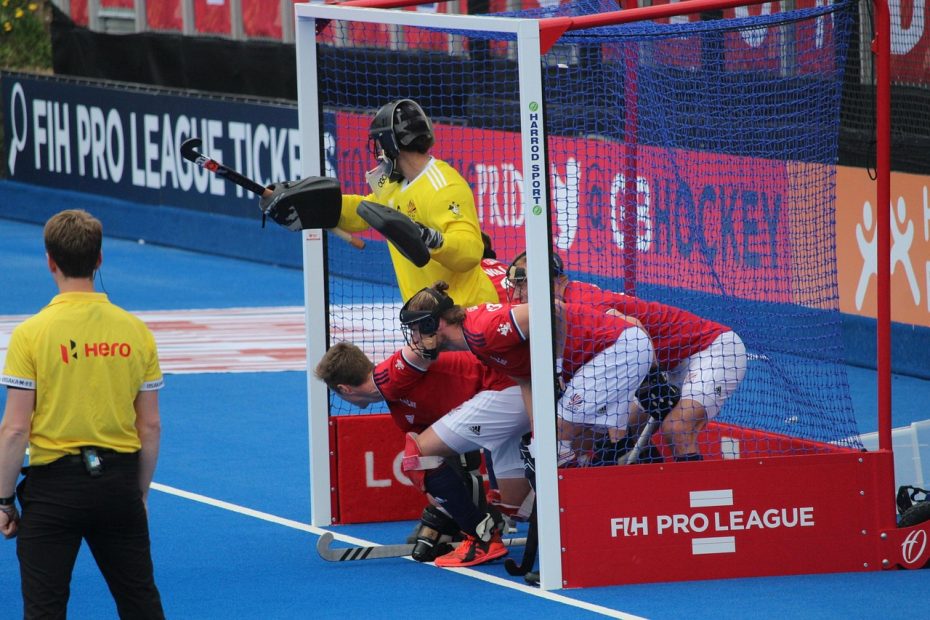
The penalty corner is the clearest example. The goalkeeper knows a set play is coming, but that does not make it simple. The ball can be stopped at the top of the circle, struck directly, slipped to another attacker, deflected near the post, or turned into a rebound scramble. In those moments, the keeper is reading the first action while preparing for the second and third.
Open play can be even less predictable. A goalkeeper may have to hold position as an attacker enters the circle, then explode forward when the ball moves loose. The best keepers are not just brave. They are efficient. They understand when to stay tall, when to drop, when to lead with the kicker, when to smother, and when to trust the defenders around them.
Why the Bravery Is Built Into the Job
Field hockey goalkeepers are asked to do something that runs against normal instinct: move toward a hard ball, a swinging stick, and an attacker arriving at speed. The role requires technical training, but it also requires a particular kind of nerve.
That bravery is not reckless. The best goalkeepers are disciplined. They do not simply throw themselves at everything. They make controlled decisions under pressure. They know when to narrow the angle, when to force a shot wide, when to clear the ball first time, and when to absorb contact in order to protect the goal.
The position also carries leadership weight. Because the goalkeeper sees the whole field from behind the defense, they organize marking, call out threats, and help defenders manage the circle. In field hockey, where a small defensive mistake can become an immediate scoring chance, that communication matters.
The visual drama of the position comes from this combination: heavy gear, fast reactions, low shots, close-range danger, and constant traffic. A field hockey goalkeeper can look almost oversized compared with everyone else on the pitch, but the role is built on precision. The equipment may be the first thing people notice. The skill is what keeps the ball out.
Goalkeepers in field hockey are not just protected players standing in front of a cage. They are angle managers, rebound controllers, emergency defenders, and traffic directors. The position looks unusual because it has to solve an unusual problem: how to defend a small goal against fast, hard, close-range chaos while still moving quickly enough to make the next save.