The Champions Trophy was one of field hockey’s clearest tests of elite consistency. Founded for men in 1978 and later expanded to women in 1987, it brought the sport’s strongest national teams into a compact tournament where every match carried weight. Unlike the Olympics or World Cup, the Champions Trophy did not need a giant field or a long qualification story to matter. Its value came from concentration: top teams, short windows, repeated meetings, and a format that made weaknesses visible quickly. When the tournament ended in 2018 and gave way to the FIH Pro League era, field hockey did not just lose another event. It lost one of its sharpest measuring sticks.
The Tournament Built for the Best Against the Best
The Champions Trophy occupied a specific place in field hockey. It was not designed as a broad global championship. It was built as an elite invitational competition, generally centered on the top national teams in the world. That gave it a different rhythm from the World Cup, continental championships, or Olympic tournament. The field was smaller, the margin for slow starts was thinner, and every opponent usually had medal-level quality.
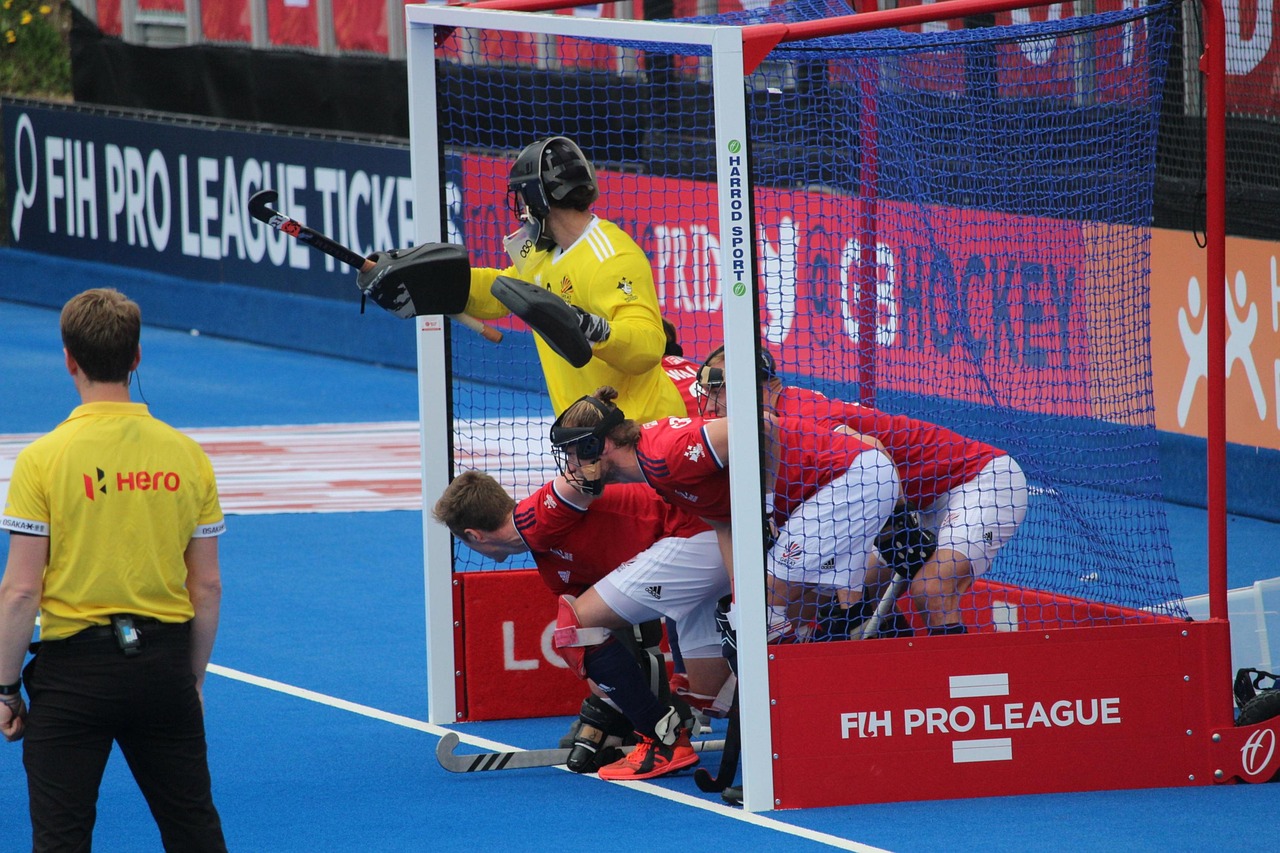
That structure made the tournament valuable for players, coaches, and national programs. A team could not hide behind an easy group draw or slowly grow into the competition against weaker opposition. The Champions Trophy forced top sides to solve problems immediately. Penalty-corner defense, pressing structure, goalkeeper form, midfield control, and late-game discipline all came under pressure from the opening match.
Its origins also mattered. The men’s tournament began in 1978 through Pakistan’s hockey establishment, during a period when Pakistan remained one of the sport’s great powers. The women’s version followed in 1987, giving the elite women’s game its own recurring high-level event. Across the decades, the Champions Trophy became part of the sport’s international calendar because it offered something simple and valuable: a regular meeting point for the teams most likely to shape Olympic and World Cup hockey.
The Stage Where Hockey Powers Measured Themselves
The Champions Trophy mattered because it created repeated pressure between the same elite programs. Australia, Germany, the Netherlands, Pakistan, Argentina, India, Great Britain, and other major hockey nations used the event as both a trophy target and a performance test. It could confirm a dominant team, expose a fading one, or show that a rising program was ready to compete at the highest level.
On the men’s side, Australia became the defining Champions Trophy nation, winning the event 15 times. Germany and the Netherlands also built major records in the tournament, while Pakistan’s early success connected the event to one of field hockey’s most influential national traditions. On the women’s side, the Netherlands and Argentina became central to the tournament’s later identity, with both nations finishing with seven titles each.
The final editions gave the tournament a fittingly elite ending. The 2018 men’s Champions Trophy was held in Breda, Netherlands, with Australia beating India in the final after penalties. The 2018 women’s Champions Trophy was held in Changzhou, China, where the Netherlands defeated Australia 5–1 in the final and won the event for the seventh time. Those endings captured the tournament’s basic character: major hockey countries, narrow margins in some cases, and matches that felt like condensed versions of Olympic-level competition.
Why the Champions Trophy Still Has a Strong Legacy
The Champions Trophy still matters because its absence changed how elite field hockey is experienced. The FIH Pro League, launched after the Champions Trophy era, created a broader season-long structure with home-and-away fixtures and regular international matches. That model gives the sport more calendar presence, more commercial rhythm, and more chances for fans to see top countries play outside the Olympics and World Cup. But it also changed the feeling of elite competition.
The Champions Trophy had a tournament intensity that a league format cannot exactly reproduce. It gathered top teams in one place, over a short period, with a clear final destination. That made it easy to understand and easy to remember. A team either handled the pressure or did not. A star either shaped the week or disappeared inside it. A tactical idea either worked against elite opponents or broke down quickly.
That is why the Champions Trophy remains a strong legacy explainer for field hockey. It helps explain how the sport once measured elite form between the Olympics and World Cup. It also shows the tradeoff in modern hockey governance: the move from compact prestige tournaments toward longer, more media-friendly global leagues. The Pro League may be the current structure, but the Champions Trophy still represents a lost kind of clarity.
The Champions Trophy was never just another field hockey tournament. It was a concentrated test of elite programs, a bridge between major championships, and a stage where the sport’s strongest teams met without much room for illusion. Its legacy remains strongest because it was simple: bring the best together, make every match matter, and let the standard reveal itself.