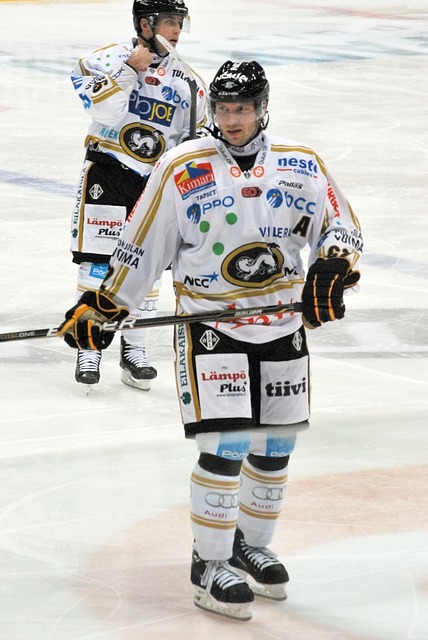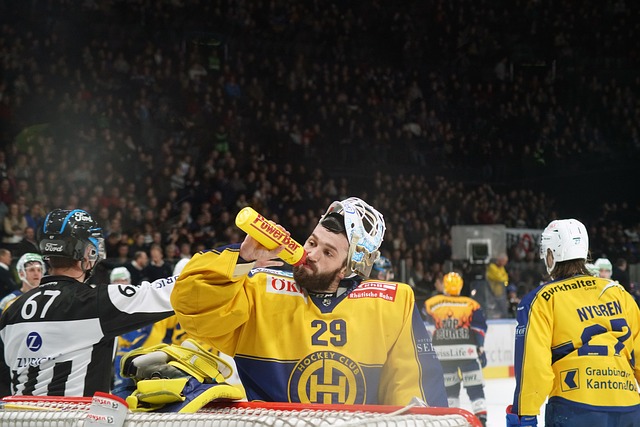
European hockey systems vs North American hockey systems is not just a debate about style of play or which league produces the best teams. It is a comparison between two different sporting worlds. North America is built around elite leagues, drafts, junior hockey, college pathways, and the NHL as the central summit. Europe is built more around clubs, academies, national leagues, promotion and relegation in some countries, and a tighter connection between local teams and player development. The NHL may be the strongest professional hockey league in the world, but that does not make it the only serious hockey culture. Europe has built its own hockey logic, one shaped by community clubs, national-team systems, domestic leagues, and a different relationship between development and identity.
European Hockey Systems vs North American Hockey Systems Begins With Structure
The biggest difference between European and North American hockey systems is not simply the rink or the tactics. It is the structure underneath the sport.
In North America, hockey development often moves through layers that are separate from professional clubs. A player may grow up in youth hockey, move into travel hockey, play in junior leagues such as the USHL, OHL, WHL, or QMJHL, then continue toward college hockey, the AHL, or the NHL. The system is heavily shaped by drafts, scholarships, major junior eligibility, and the long shadow of the NHL. Even when a player comes from a strong local hockey community, the development ladder often points toward leaving that community for a higher-level team somewhere else.
Europe works differently in many countries. Clubs are often the center of the system. A child may enter the youth side of a club, move through age-group teams, train under the same organizational umbrella, and eventually reach the senior team or a higher-level club. In Sweden, Finland, Switzerland, Czechia, Germany, Slovakia, and other hockey countries, clubs are not just professional teams at the top. They are development institutions. They connect youth hockey, coaching, local identity, and senior competition in a way that feels closer to soccer’s club model than to the North American franchise model.
That difference changes how hockey is understood. In North America, the top of the pyramid is extremely clear: the NHL. In Europe, the NHL is still the highest individual destination for many elite players, but domestic clubs and national leagues retain their own cultural value. A player can be part of a meaningful hockey life without the entire story being reduced to whether he reaches the NHL.
Clubs, Academies, and the Meaning of Development
European hockey systems often place more emphasis on the club as a full development environment. The club is not just where the senior team plays. It can be where young players learn the sport, where coaches build technical habits, where local families form long-term attachments, and where the next generation sees a direct line between youth hockey and adult competition.
That academy-style structure can produce a different kind of player. European players are often associated with puck control, skating patterns, passing, spacing, and decision-making in open ice. That does not mean North American players lack skill, and it does not mean European players are less physical. It means the development environment has often rewarded different priorities. Smaller countries with fewer players may need to be more deliberate with skill development, because they cannot rely on the same volume of athletes as Canada or the United States.
North America has its own strengths. The junior hockey system creates intense competition at a young age. Major junior hockey in Canada, the USHL in the United States, NCAA hockey, and the AHL create a deep ladder of competitive environments. North American players often face heavy schedules, physical games, smaller rinks, and a culture of directness that prepares them for the NHL’s pace and pressure.
The contrast is not “Europe teaches skill” and “North America teaches toughness.” That is too simple. The better distinction is that Europe often develops players inside club ecosystems, while North America often develops players through competitive ladders. Both can produce elite players. Both can create gaps. Both can become expensive, political, or uneven depending on the country, club, league, or family situation.
Rink Size, Style, and the Shape of the Game
Rink size has long been one of the most visible differences between European and North American hockey systems. Traditional European international rinks have been wider than NHL rinks, creating more lateral space and changing the rhythm of the game. North American rinks are narrower, which compresses play, increases contact, speeds up forechecking pressure, and forces quicker decisions along the boards.
That difference affects style. On a wider rink, teams may have more room to regroup, stretch the defense, use cross-ice passing lanes, and maintain possession. On a smaller rink, time and space disappear faster. Players are pushed into battles, quick releases, wall play, net-front traffic, and rapid transitions. The sport is still the same sport, but the geometry changes the habits.
This is one reason international tournaments can feel different from NHL games. The same player may look slightly different depending on the surface, the officiating, the opponent, and the tactical demands. A defenseman who thrives on quick retrievals and board battles in North America may need to manage more lateral space in Europe. A forward who has time to carry the puck in a European league may need to release it faster in the NHL.
Modern hockey has narrowed some of these differences. More European clubs and competitions have moved toward NHL-sized or hybrid rink dimensions, and the NHL has absorbed generations of European skill. The old stereotype of separate hockey worlds is less accurate than it used to be. Still, rink size remains a useful symbol of the deeper contrast: North American hockey has often been built around pressure and compression, while European hockey has often allowed more space for possession and pattern.
Why “Best League” Is Not the Same as “Only Hockey Culture”
The NHL is the best professional hockey league in the world. It has the deepest concentration of elite players, the highest level of week-to-week competition, and the strongest global pull for top talent. But “best league” is not the same as “only hockey culture.”
That distinction matters. Sweden’s SHL, Finland’s Liiga, Switzerland’s National League, Czechia’s Extraliga, Germany’s DEL, and other European leagues are not failed versions of the NHL. They are domestic hockey systems with their own histories, rivalries, fan cultures, youth structures, and national-team connections. Their importance cannot be measured only by how many players they send to North America.
European hockey also keeps national identity closer to the surface. In North America, the NHL is a club league that gathers global talent into a commercial superleague. In Europe, domestic leagues often sit closer to national sporting culture. Clubs represent towns, regions, languages, and local traditions. National teams remain central to how many fans understand the sport. A Finnish player starring for Finland, a Czech club developing Czech talent, or a Swiss league becoming stronger over time all matter beyond NHL scouting value.
North America’s system is more centralized around the NHL dream. Europe’s system is more plural. A player can be a national-league star, a club legend, an international tournament hero, or an NHL export. Those categories overlap, but they are not identical.
That is why European hockey systems vs North American hockey systems is such a useful comparison. It forces a broader view of the sport. North America shows what hockey looks like when the world’s strongest league becomes the gravitational center. Europe shows what hockey looks like when clubs, academies, national leagues, and international identity remain deeply connected. The NHL may be the peak of professional hockey, but the sport’s full culture is much wider than the summit.