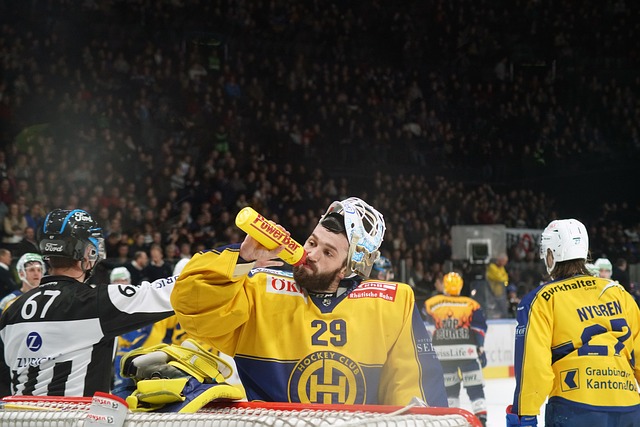
Dominik Hašek did not look like the model for modern goaltending. He did not always move in clean lines, hold perfect form, or make saves that seemed easy to teach. He sprawled, lunged, rolled, stacked pads, reached backward, and turned desperation into technique. Yet the strange part was not that Hašek looked different. The strange part was that he was right. His style worked because it was built on anticipation, flexibility, balance, and a rare ability to read shooters. By the end of his career, Hašek had won six Vezina Trophies, two Hart Trophies, Olympic gold with the Czech Republic, and two Stanley Cups with Detroit.
Dominik Hašek and the Problem With Looking Proper
Goaltending has always carried an aesthetic expectation. A good goalie is often expected to look calm, square, compact, and technically repeatable. Coaches like structure because structure can be taught. Broadcasters like structure because it is easy to explain. Fans often read structure as control.
Hašek disrupted that visual language. He did not always make the “correct” save in the recognizable way. He might drop his stick, throw out a blocker, kick a leg across the crease, collapse forward, or reach with a part of his body that seemed unavailable a second earlier. To opponents, that made him difficult to solve. To viewers, it made him difficult to classify.
The mistake was thinking that unusual movement meant random movement. Hašek’s game looked chaotic, but it was not careless. He was not guessing wildly. He was reacting from a foundation of elite concentration and body control. His saves often looked improvised because he was willing to abandon form when the play demanded it. That was the real difference: many goalies tried to stay inside the system; Hašek trusted himself after the system broke.
That made him one of the hardest goalies in hockey history to analyze in real time. A shooter could beat the textbook version of the play and still find Hašek waiting somewhere unexpected.
The Saves That Turned Improvisation Into Dominance
Hašek’s peak with the Buffalo Sabres turned his style from curiosity into proof. In the 1990s, he became the rare goalie who could bend an entire team’s competitive ceiling upward. Buffalo did not need to control every game cleanly because Hašek could survive pressure that would break normal defensive plans.
His numbers made the argument impossible to dismiss. He won the Vezina Trophy six times, including a run of dominance from the mid-1990s into the early 2000s. He also won the Hart Trophy as the NHL’s most valuable player in both 1996-97 and 1997-98, a remarkable achievement for a goaltender in a league where MVP voting usually favors skaters.
The 1998 Winter Olympics in Nagano gave Hašek’s career its defining international moment. That tournament was the first Olympic men’s hockey event with full NHL participation, which made it a true best-on-best stage. Hašek led the Czech Republic to gold, including a semifinal shootout win over Canada in which he stopped all five Canadian attempts. The Czech Republic then beat Russia 1-0 in the gold-medal game.
That run mattered because it was not just a hot tournament. It was Hašek’s whole hockey argument compressed into one event. Against the world’s best players, he turned patience, flexibility, and unpredictability into a national advantage. The Czech team did not need to overwhelm opponents with offensive volume. With Hašek in goal, one goal could be enough.
His later Stanley Cup years with Detroit added a different layer. In Buffalo, Hašek had often been the central reason his team survived. In Detroit, he became part of a championship machine. His 2002 Cup as Detroit’s starting goalie showed that his game could fit inside a loaded roster with elite expectations. His second Cup in 2008 came later, as part of the final chapter of a long career.
Why Hašek Still Changes How Goaltending Is Remembered
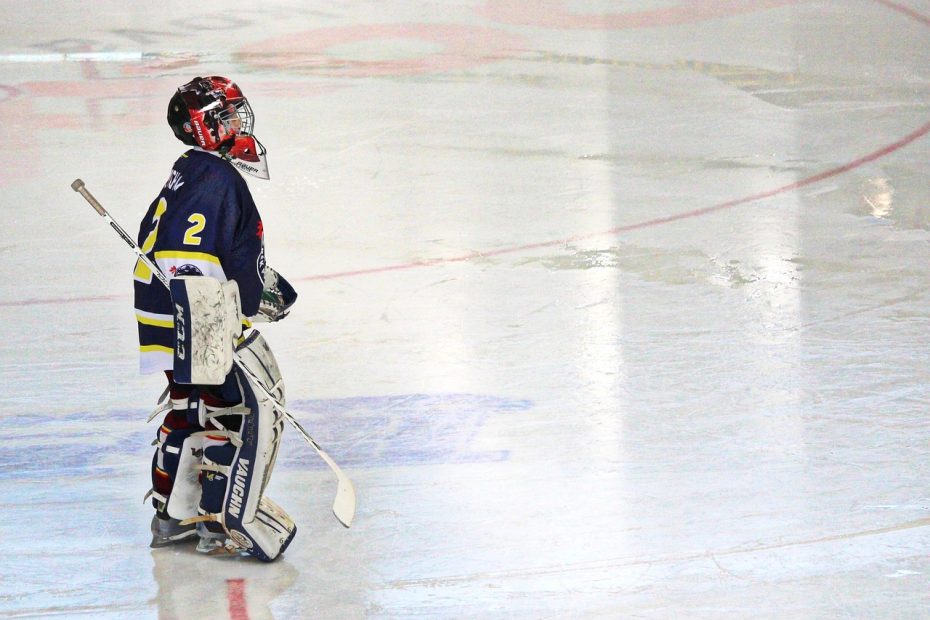
Hašek’s legacy is not that every goalie should copy him. In many ways, he is almost impossible to copy. His style depended on gifts that cannot be reduced to a simple drill: extreme flexibility, unusual reflexes, deep patience, and the nerve to keep competing after a play had already become messy.
His deeper legacy is that he expanded the definition of technical excellence. He proved that the right save is not always the prettiest save. A goalie’s job is not to look organized; it is to stop the puck. Hašek forced hockey to separate appearance from effectiveness.
That distinction matters because goaltending is a position of constant failure management. Screens, deflections, rebounds, broken plays, odd bounces, and defensive mistakes all pull the game away from clean technique. Hašek was extraordinary in those broken spaces. He made the second save, the third save, and the save that did not seem available when the shot was released.
He also helped widen the NHL’s view of European goaltenders. His success came at a time when European skill was still being absorbed into North American hockey culture in stages. Hašek did not fit the old picture of what an NHL goalie was supposed to look like, but his dominance made the picture larger.
That is why the phrase “looked wrong and was right” fits him. Hašek challenged the eye before he convinced the record book. Once the record book answered, the eye had to adjust.
Dominik Hašek remains one of hockey’s great reminders that style and substance are not always aligned in obvious ways. His saves could look unstable, but his results were not. He turned broken plays into a personal territory and built a career that made hockey rethink what control could look like.